
Last updated November 16, 2026
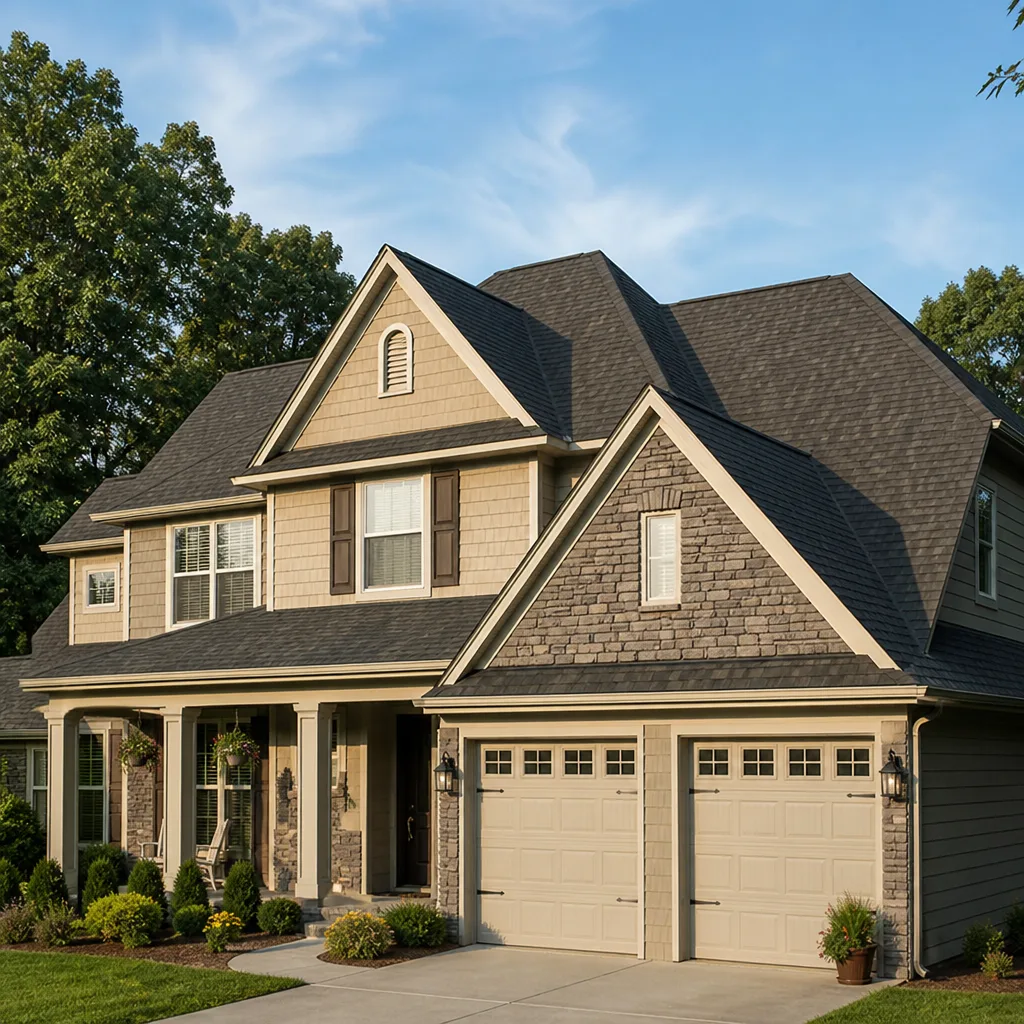
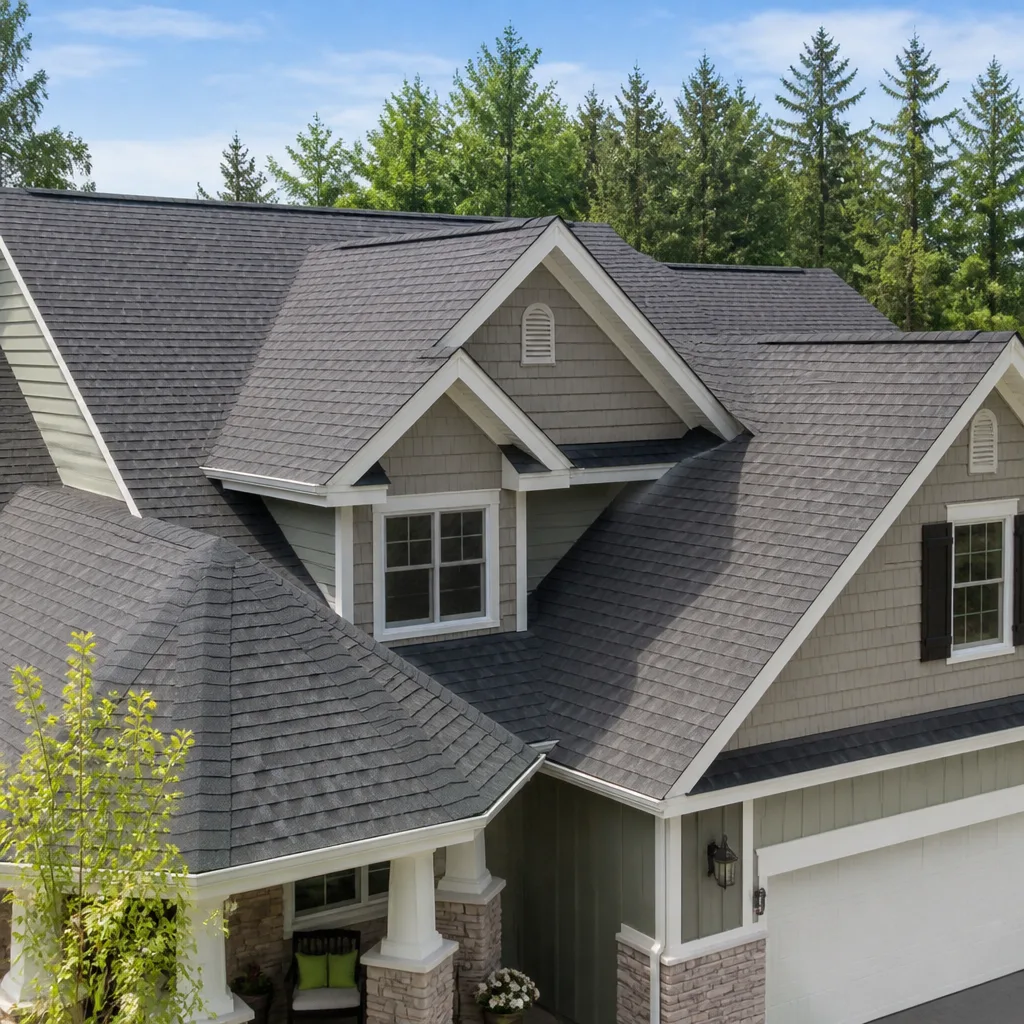 Architectural shingles
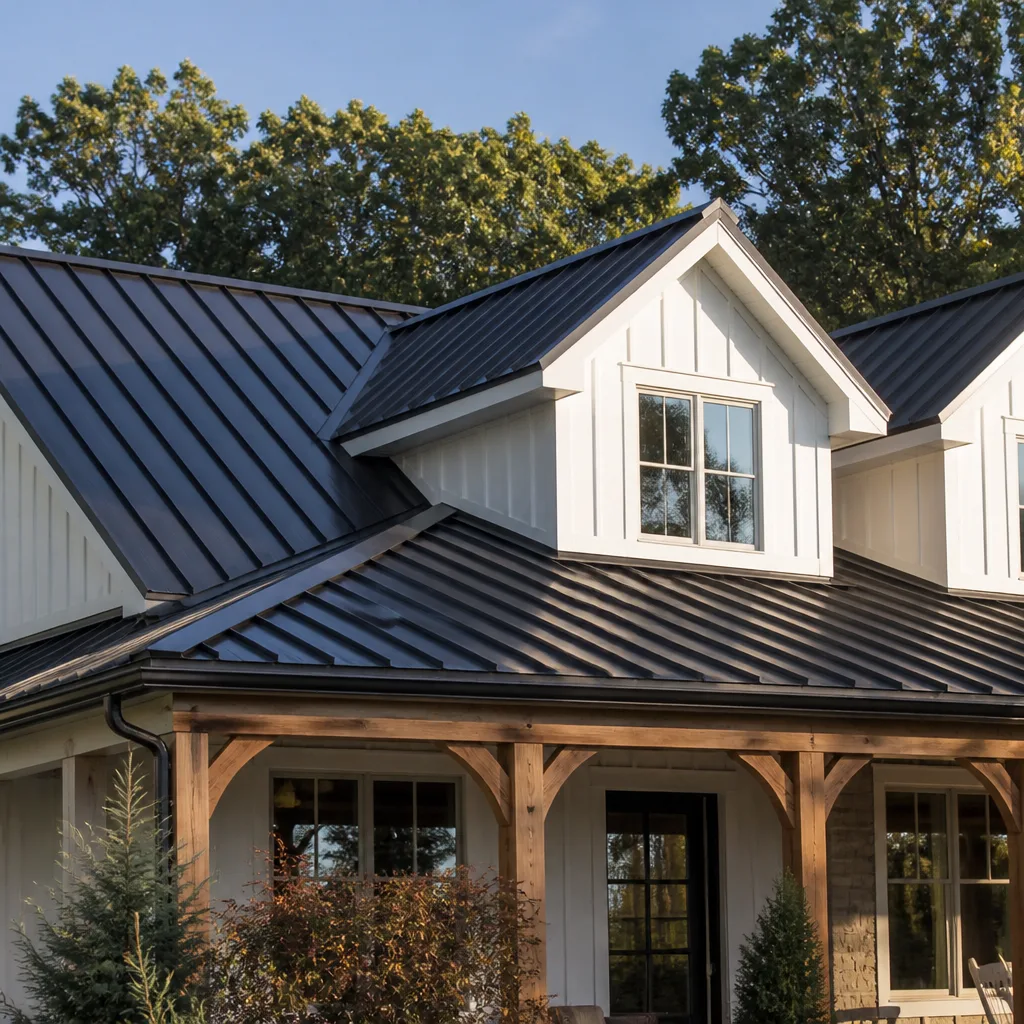 Metal roofing
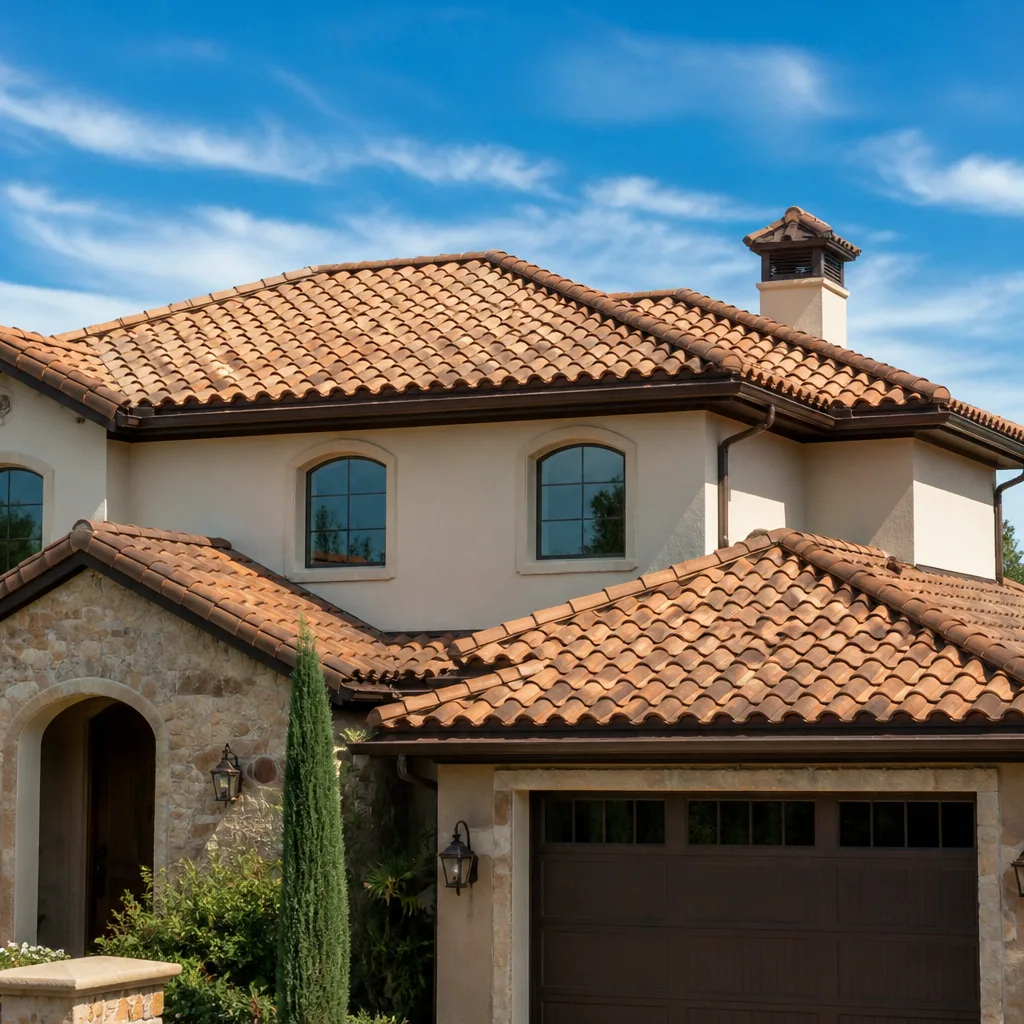 Tile roofing
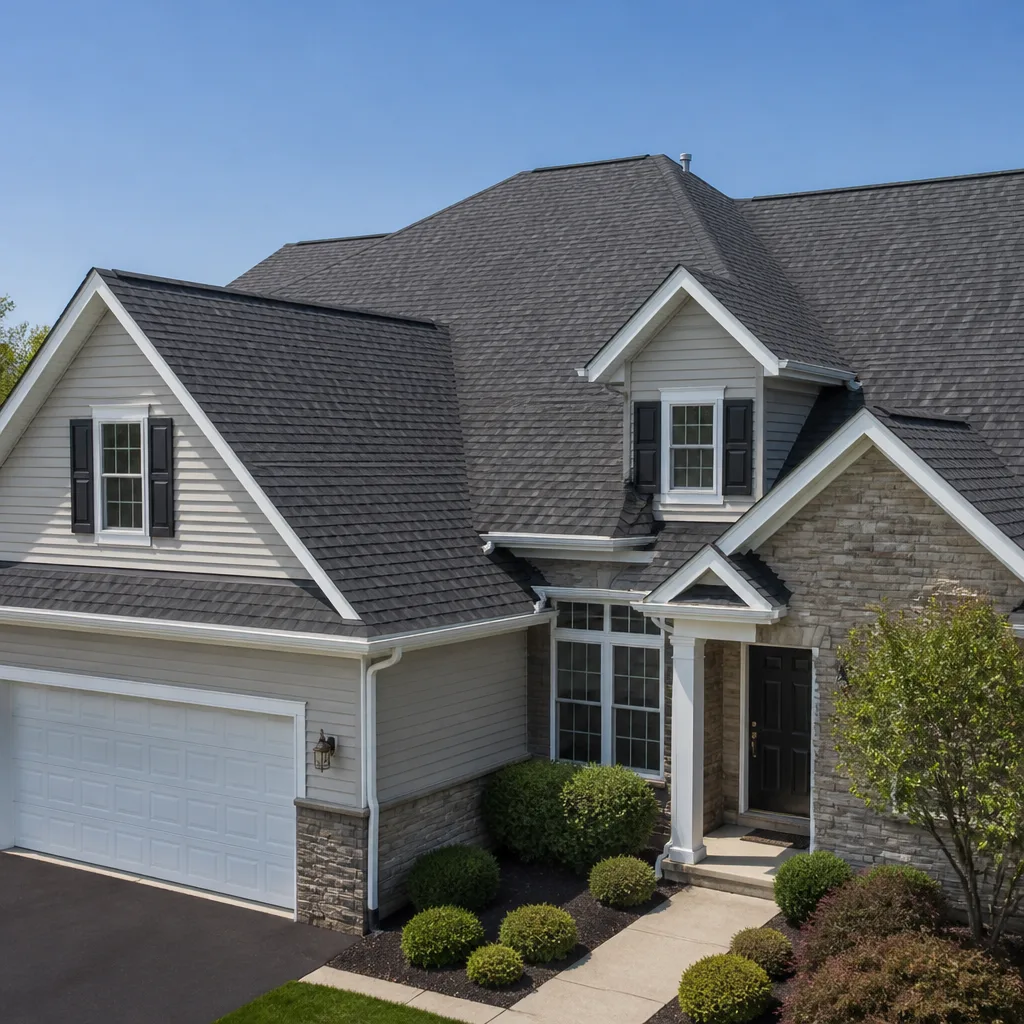 GAF
 Owens Corning
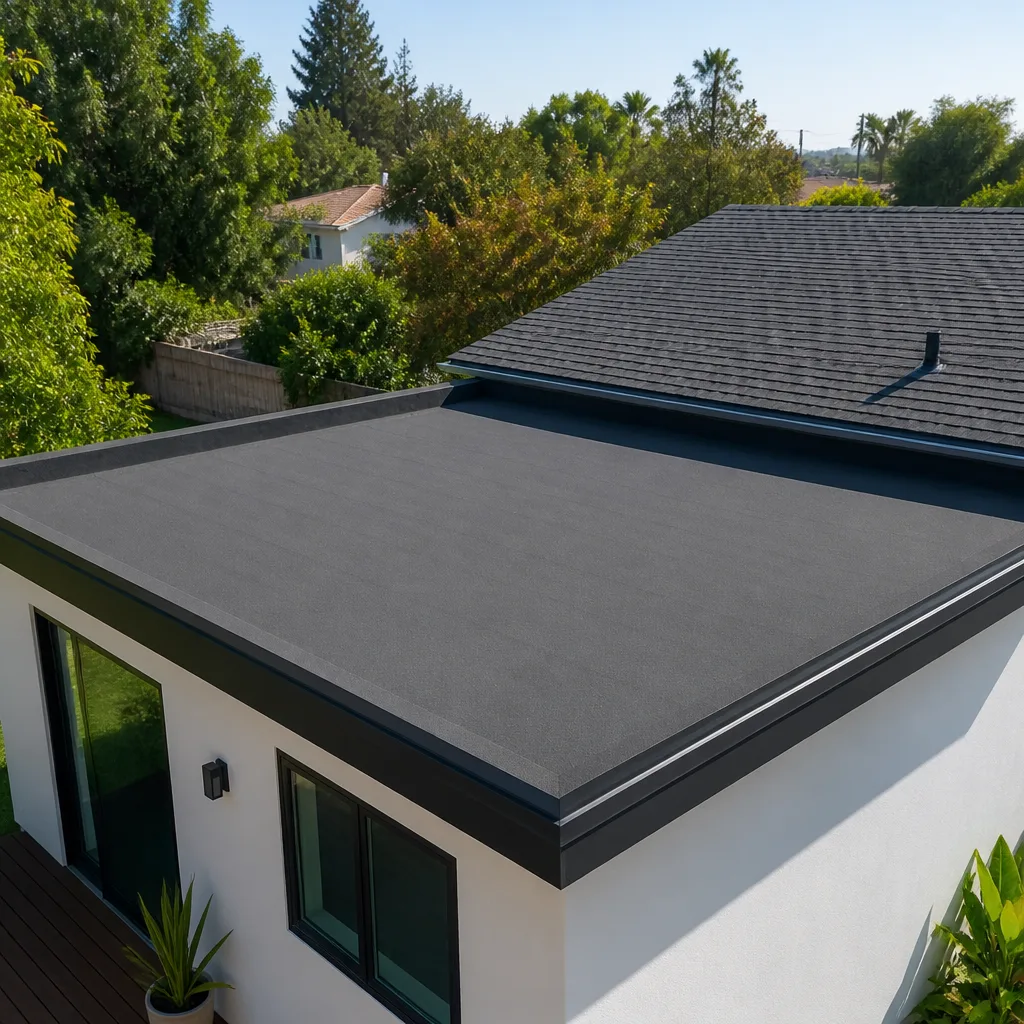 Flat & low-slope
Free roof inspection with deck photos before we talk money - GAF and Owens Corning certified installation
The Complete Roof Repair Guide for Albany Homeowners
Most roof leaks in Albany aren’t caused by the storm that just passed. They’re caused by ice dam damage from two winters ago that was never properly addressed. Water worked its way behind a shingle course, froze, expanded, and quietly broke the seal that was supposed to keep the next storm out. The leak shows up in a ceiling months later, and by then the visible problem isn’t the real problem. This guide treats roof repair as a system diagnosis, not a list of isolated fixes. You’ll learn how Albany’s freeze-thaw cycle degrades a roof differently than warmer climates, the inspection sequence that tells you whether a repair or a replacement is honest, and the material and permit decisions that protect your money.
Styles & brands we work with
- Architectural shingles
- Metal roofing
- Tile roofing
- GAF
- Owens Corning
- Flat & low-slope
Quick Answer
Roof repair in Albany should always begin with a full inspection of the decking, underlayment, flashing, and shingles, because the freeze-thaw cycle here damages the layers under the surface long before the damage is visible from the ground. A spot fix is only worth doing when the underlying deck and underlayment are sound and the flashing can be rebuilt to shed water properly. When the damage runs deeper, patching one area just delays a replacement by a season or two and costs you twice. Start with a diagnostic, decide with facts, then repair or replace.
Table of Contents
- How Albany’s Freeze-Thaw Cycle Changes Roof Repair
- The Correct Inspection Sequence (Decking and Underlayment First)
- When a Spot Repair Extends Roof Life vs. Delays Replacement
- Material Compatibility: Why Mixing Shingles Creates Problems
- Albany Permit Rules for Repairs vs. Replacements
- The Repair Sequence We Follow (and Why Order Matters)
- What Roof Repair Typically Costs in Albany
- Common Mistakes to Avoid
- When to Call a Professional
- Frequently Asked Questions
How Albany’s Freeze-Thaw Cycle Changes Roof Repair
Albany averages more than 100 freeze-thaw cycles per year, and that number is the single most important fact about your roof in this region. A freeze-thaw cycle is a day where the temperature climbs above freezing and drops back below it, and each cycle expands and contracts the water trapped in and around your roof’s joints. Warm climates rarely see this. Cold, consistently frozen climates see it less. Albany sits in the sweet spot where it happens constantly, and the damage compounds quietly.
Here’s what that means in practice:
- Flashing fails first. Metal flashing around chimneys, skylights, and sidewalls expands and contracts with temperature swings and pulls away from its sealant over time. A flashing gap that would be harmless in a mild climate lets meltwater freeze behind it here and works the gap wider each winter.
- Shingle sealant strips let go. The adhesive strip that holds each shingle tab down gets brittle with repeated cycling. Once tabs lift, wind gets under them and the next storm peels them back.
- Ice dams form at the eaves. Heat escaping from the house melts snow on the upper roof, and it refreezes at the cold eave. That ice block backs water up under the shingles and into the deck. This is why so many Albany leaks trace back to a winter two seasons old rather than the storm that just passed.
- Underlayment deteriorates without warning. The felt or synthetic layer beneath the shingles takes the water that gets past them. Once it’s degraded, every small gap becomes a leak.
The takeaway for Albany homeowners: repair priority here is not driven by what looks bad from the driveway. It’s driven by the condition of the flashing, the sealant strips, and the underlayment, and none of those are visible without getting on the roof and inspecting the layers properly. A repair that reseals the surfacing but ignores a compromised flashing base is a repair that won’t survive the next two winters.
The Correct Inspection Sequence (Decking and Underlayment First)
Most roof repair decisions go wrong at the inspection stage, because the inspection starts with the shingles. It shouldn’t. Shingles are the visible layer, and they’re the last thing that should determine whether you repair or replace. The sequence that produces an honest answer runs from the inside out and the bottom up.
- Interior check. We look inside the attic or top floor for staining, dampness on the rafters, or daylight. Interior evidence tells us whether water has been getting in and for how long.
- Decking and structure. On the roof, we check for soft spots, sagging, and sheathing that gives underfoot. Water that has saturated a deck board for a winter or two means the board needs replacing, not just resealing.
- Underlayment. We inspect any exposed or visible underlayment and probe the edges where water works in. If the underlayment is failing, no shingle repair on top of it will hold.
- Flashing and penetrations. Chimneys, skylights, vents, and valleys get the closest look. These are the highest-risk points in the freeze-thaw cycle and the most common source of an old leak.
- Shingle field. Only once the layers beneath are understood do we judge the shingles: granule loss, tab damage, curled edges, lifted sealant, and age.
- Ventilation and drainage. Gutters, ridge vents, and soffit vents control whether meltwater drains away or backs up. Poor ventilation is the engine of ice dam formation here.
This is why Jasper Roof Repair built the inspection as a standalone service with no obligation to buy anything. An inspection that’s tied to a sales outcome isn’t really an inspection; it’s a proposal with a walkthrough attached. When you know the actual condition of your decking, underlayment, and flashing, the repair-or-replace question becomes a facts question, not a sales question. If you’re weighing a full rebuild, the same logic applies to roof replacement: the deck assessment comes first there too.
When a Spot Repair Extends Roof Life vs. Delays Replacement
A spot repair is honest when it fixes a local problem in an otherwise healthy roof. It’s dishonest when it covers a systemic problem that will reappear. The difference comes down to how much of the roof has failed and how deep the failure goes. Here’s how to tell the two apart:
A spot repair genuinely extends life when:
- The damage is limited to one area, usually around a chimney, vent, or a single valley.
- The decking beneath the repair area is solid and dry.
- The underlayment under the surrounding shingles is intact.
- The rest of the shingle field still has sealant tabs holding and no widespread granule loss.
- The flashing can be rebuilt or resealed correctly, not just smeared with sealant.
A spot repair is just delaying replacement when:
- Leaks are showing up in more than one place, or moving around between storms.
- The decking is soft or the underlayment is degraded across a broad area.
- Shingles across the field are lifting, curling, or losing granules.
- You’ve had the same area patched before and it failed again.
- Ice dams form across the whole eave line every winter, which points to a ventilation and insulation problem a patch can’t fix.
The reason this matters in Albany specifically is that a bad patch here doesn’t fail in a season. It survives a mild winter, looks fine, then lets in a slow trickle the following spring that damages the deck and interior before anyone notices. A patch that buys you one or two seasons is still a patch that pushed a needed replacement onto a more damaged roof. In our experience, the homeowner who gets the diagnosis right the first time spends less than the one who patches twice and replaces anyway. The honest answer is “repair when the roof warrants it, replace when it doesn’t,” and the inspection is what tells you which one you’re looking at. Call roof repair only after that answer is clear.
Material Compatibility: Why Mixing Shingles Creates Problems
When a roof is patched, the temptation is to grab whatever shingle is closest to the existing color and grade. That’s a mistake that costs homeowners later, and the reason is mechanical, not aesthetic. Different shingles are engineered as systems with matched weights, sealant strip formulas, and warranties. Mixing them, especially across manufacturers or grades, creates problems that only show up a couple of winters down the road.
Three things go wrong when the patch material doesn’t match:
- Sealant tabs don’t bond consistently. Adhesive strips are formulated to a specific shingle weight and profile. A mismatched shingle may not seal to its neighbor under the same thermal cycling, so the seam lifts.
- Warranty coverage gets complicated. Most shingle warranties are written for a single manufacturer’s installed system. A patch with a different brand can create a coverage question that only surfaces when you need to claim.
- Performance at the seam is uneven. Two shingles with different thickness or flexibility move differently through Albany’s freeze-thaw cycle. The seam between them is where the next failure starts.
This is exactly why Jasper Roof Repair works with seven major manufacturers: GAF, CertainTeed, Owens Corning, IKO, Atlas, Tamko, and Boral. It means we can match the existing roof’s brand and grade when a repair is the right call, and it means a replacement isn’t limited to whatever one manufacturer’s rep is pushing. A Tamko patch on a Tamko roof, or an Atlas shingle where Atlas was used, keeps the system consistent. The point of multi-brand access isn’t variety for its own sake; it’s that your roof gets the right material instead of the one that happens to be on hand. When you’re patching, ask specifically what brand and grade is going on, and ask whether it matches what’s already there.
Albany Permit Rules for Repairs vs. Replacements
Permit requirements for roof work depend on the scope, and the line between repair and replacement matters for both code and resale. Most cities require a permit when the work crosses from a repair into a replacement, and Albany is no exception, so the practical advice is to ask the city’s building department directly what your specific job triggers. We won’t quote a code section we weren’t handed; we will tell you the categories that usually trigger the conversation.
Small repairs typically fall outside the permit line when they’re limited to replacing damaged shingles, resealing or replacing flashing, or patching a single area without touching the structural sheathing or full roof covering. These are the jobs a homeowner often doesn’t need a permit for.
Larger jobs usually do require a permit, including:
- Replacing the full roof covering over a substantial area, rather than patching.
- Replacing or repairing structural sheathing or decking across a significant span.
- Changes to the roof’s structure, slope, or ventilation system.
- Work that will be inspected for code compliance before it’s closed in.
Two things to do before any roof job in Albany. First, ask the contractor whether the job needs a permit and who pulls it. A roofer who tells you permits are unnecessary for a full replacement is telling you something about how they work. Second, get the permit question answered before work starts, not after, because an unpermitted replacement can complicate a future sale and an insurance claim. When we take on a roof replacement, we handle pulling the permit and scheduling the inspection as part of the job, and a written estimate spells out what’s included. If you’re near the line between repair and replace, the inspection is what decides the scope, and the scope is what decides the permit.
The Repair Sequence We Follow (and Why Order Matters)
A roof repair done in the wrong order won’t hold, even with good materials. The sequence is what makes the difference between a repair that survives Albany’s winters and one that fails by the next thaw. Here’s the order we work in, and what each step protects.
- Stop the water first. If there’s an active leak, the priority is getting the interior dry and the leak temporarily controlled before any finished repair begins. That means finding the true entry point, not just the stain on the ceiling.
- Remove the damaged layers. Shingles, underlayment, and any compromised flashing come off the affected area so the deck can be assessed. You can’t diagnose a deck through shingles.
- Repair or replace the decking. Soft or saturated sheathing gets cut out and replaced. Skipping this step is the most common cause of a repair that fails.
- Rebuild the underlayment and flashing. New underlayment goes in, and flashing is rebuilt so water sheds correctly. Sealant alone is not flashing; it’s a bandage that will fail in a freeze-thaw climate.
- Match the shingles. New shingles go on with a brand and grade matched to the existing roof, with the sealant tabs aligned so they bond as intended.
- Address ventilation and drainage. Check gutters, vents, and attic insulation. If ice dams form every winter, this step is what prevents the same repair from being needed again.
- Verify from inside and out. A final inspection confirms the seal and confirms there’s no remaining water path.
Note the order: diagnosis before repair, subsurface before surface, and ventilation before you call it done. That’s the structural diagnosis approach, and it’s why our inspection comes before any repair or replacement. Roofing is all we do, and the reason that focus matters is that a generalist running this sequence will skip steps they don’t understand as well. For a repair in Albany, call roof repair only when the inspection has already told you what the real scope is.
What Roof Repair Typically Costs in Albany
Roof repair in Albany typically costs between $400 and $1,800 for common repairs, with most jobs falling between $600 and $1,200 once the affected layers are removed and rebuilt properly. A full roof replacement on a typical Albany home usually runs in the range of $9,000 to $25,000 depending on roof size, pitch, and materials. These are typical estimates for the local market, not quotes, and the final price is set per job by the written estimate after the inspection.
Here’s how that breaks down by job type:
- Minor shingle repair (a few tabs or a small patch): typically $400 to $800.
- Flashing repair around a chimney or sidewall: typically $500 to $1,000.
- Spot repair with underlayment replacement: typically $800 to $1,800.
- Decking repair (replacing soft or saturated sheathing): typically $1,200 to $2,500 depending on the span.
- Full roof replacement (asphalt shingle): typically $9,000 to $25,000.
- Upgrade to a premium or architectural shingle: moves the replacement figure toward the top of the range.
Prices land at the higher end when the job is more complex: steep pitch, more than one field of penetration, or a repair that turns into a partial replacement once the deck is opened. They land lower when the damage is isolated and the underlying layers are sound. That’s why we don’t quote a repair over the phone and why the inspection comes before the estimate. The written estimate should tell you exactly what’s being repaired, what materials are going on, and whether a permit is involved. A roofer who can’t itemize those things is guessing. Free estimates are available across Albany and the surrounding neighborhoods, and we can work with your insurer on storm-related claims. Call roof replacement conversations only after the inspection confirms it’s needed, and read the estimate line by line.
Common Mistakes to Avoid
- Patching the shingle and ignoring the flashing. The shingle is the visible failure; the flashing is usually the real one. In Albany’s freeze-thaw cycle, a repaired shingle over a failing flashing base will leak again by the next spring. Always ask whether the flashing was rebuilt or just resealed.
- Mixing shingle brands and grades on the same roof. A cosmetic color match isn’t a system match. Different manufacturers’ shingles behave differently at the seam, and warranty coverage gets murky. Ask what brand and grade is being installed and whether it matches.
- Skipping the decking assessment. If nobody has opened the repair area and checked the sheathing, the repair is being designed on guesswork. Water-saturated decking has to be replaced before new shingles go on.
- Treating a recurring leak as a repair problem. A leak that shows up in more than one place, or that returns every winter, is a ventilation and system problem. Patching it repeatedly is a signal to inspect more broadly.
- Not confirming the permit question. Repairs and replacements cross the permit line at different points. Before work starts, ask whether the job needs a permit and who pulls it. Get it answered in writing.
- Letting the inspection be part of a sales pitch. If the inspection is only offered as a step toward a replacement quote, you’re hearing a proposal, not a diagnosis. A standalone inspection that can end in “repair is all you need” is the honest version.
- Ignoring ice dams year after year. Ice dam formation at the eaves in Albany points to heat loss and ventilation issues. Repair the damage, then address the attic condition that keeps causing it.
When to Call a Professional
Call a professional when you see water staining on a ceiling or rafter, when shingles are visibly lifting, curling, or missing, or when flashing around a chimney or skylight looks pulled away. Call when a leak appears after a winter but not after a rainstorm, because that pattern points to ice dam damage that needs a proper inspection. Call when you’re buying a home in Albany and want the roof assessed before you commit, and call when a repair you had done before has failed in the same spot. If the leak is active and water is coming in, call immediately; getting the water controlled protects everything underneath it. Jasper Roof Repair offers free estimates in Albany. Call (855) 473-7282. We answer 24/7. Fast dispatch from 7am to 7pm, Sunday through Friday.
Frequently Asked Questions
Roof repair in Albany typically costs between $400 and $1,800 for common repairs, with most jobs landing between $600 and $1,200 once the damaged layers are removed and rebuilt correctly. Flashing repairs and small patches sit at the lower end; decking replacement pushes toward the top. The written estimate after the inspection sets the final price. Call (855) 473-7282 for an exact quote. Estimates are free.
No, the price should not change once work begins. A proper roof repair is quoted after the inspection, not before, so the scope and materials are already known when the number is written. Some repairs can only be fully assessed once the deck is opened, and that possibility should be explained in the estimate, with a written change order for anything unexpected. Call (855) 473-7282 to schedule the inspection that makes the estimate accurate.
Permits are pulled when the job scope requires one, which usually means a replacement or structural work rather than a small repair. The permit question gets answered during the inspection, before any work starts, so the estimate spells out whether a permit is involved and who handles the inspection. Ask the city building department what your specific job triggers. Call (855) 473-7282 to get the scope and permit question sorted out.
Repair is the right call when the damage is isolated, the decking is sound, and the flashing can be rebuilt. Replacement is the right call when leaks appear in multiple places, the decking or underlayment is degraded broadly, or ice dams form across the whole eave line every winter. The inspection sequence, from inside out and subsurface up, is what gives you the honest answer. Call (855) 473-7282 to schedule a standalone inspection with no obligation.
Most spot repairs are completed within a day, and small shingle or flashing repairs can often be finished in a few hours. Repairs involving decking replacement take longer, and a partial replacement sized to a larger damaged area may stretch over more than one day. The written estimate should give you the expected timeline. Call (855) 473-7282 to get a timeline for your specific repair.
Because ice dam damage and freeze-thaw expansion work slowly. Water gets behind a shingle or flashing, freezes, expands, and quietly breaks the seal over a season. The leak becomes visible when the trapped moisture finally works through to the interior, often months after the winter that caused it. Inspecting before each winter catches these problems while they’re still small. Call (855) 473-7282 to book an inspection.
The Bottom Line
Roof repair in Albany is a system diagnosis, not a list of fixes. Freeze-thaw cycles here damage flashing, shingle seals, and underlayment in an order that warm-climate guides don’t account for, so the inspection has to run from decking and underlayment outward. A spot repair is honest only when the underlying layers are sound. Material matching matters, which is why we work with seven manufacturers instead of one. Permits depend on scope, so ask before work starts. And when a repair genuinely warrants it, do the repair; when it doesn’t, a patch just moves the cost onto a more damaged roof. Our technicians have up to 15 years of experience with these exact conditions in Albany.
If you’ve been putting off a roof decision because you weren’t sure whether it was a repair or a replacement, the free estimate is the next step. Call (855) 473-7282 and schedule an inspection. We answer 24/7. Fast dispatch from 7am to 7pm, Sunday through Friday. You’ll get a written line-item estimate, honest guidance on materials, and the straight answer on what your roof actually needs.
Written by the team at Jasper Roof Repair.
See the difference
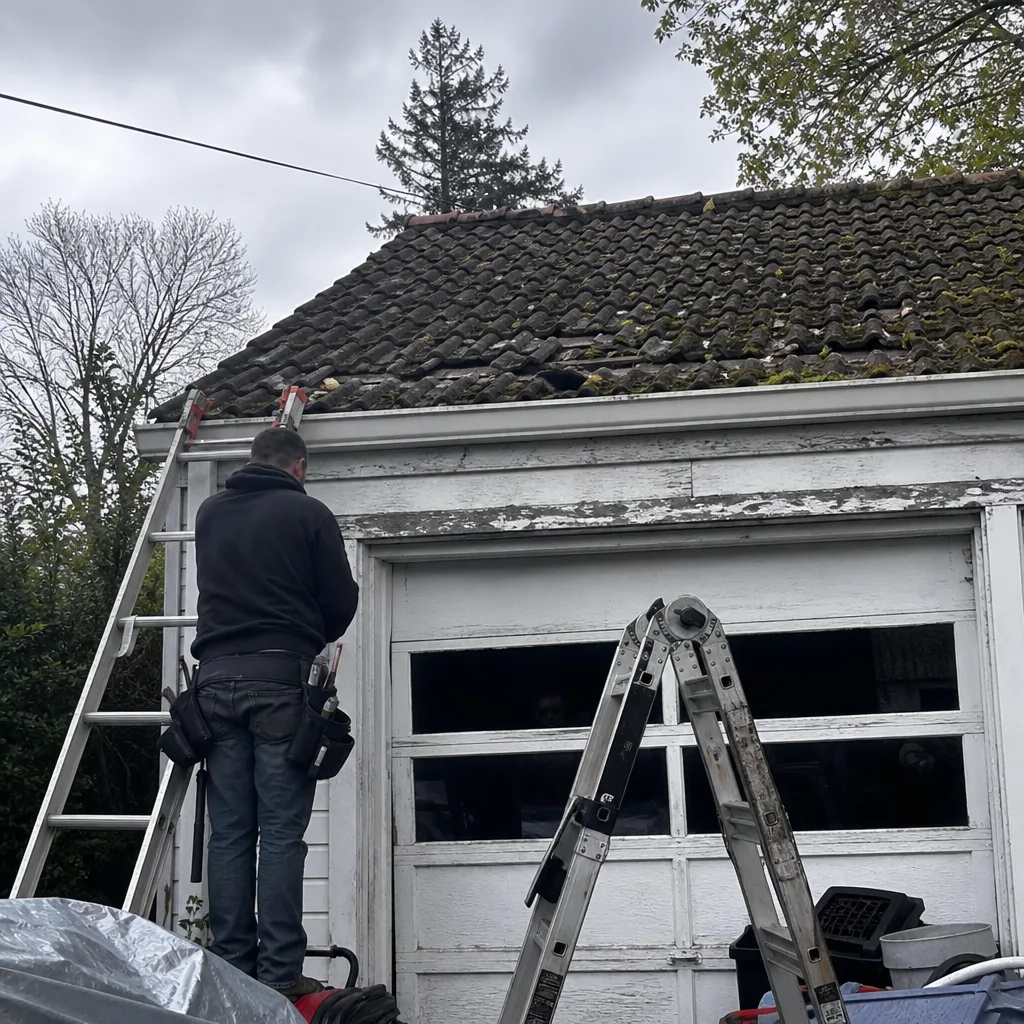 Before
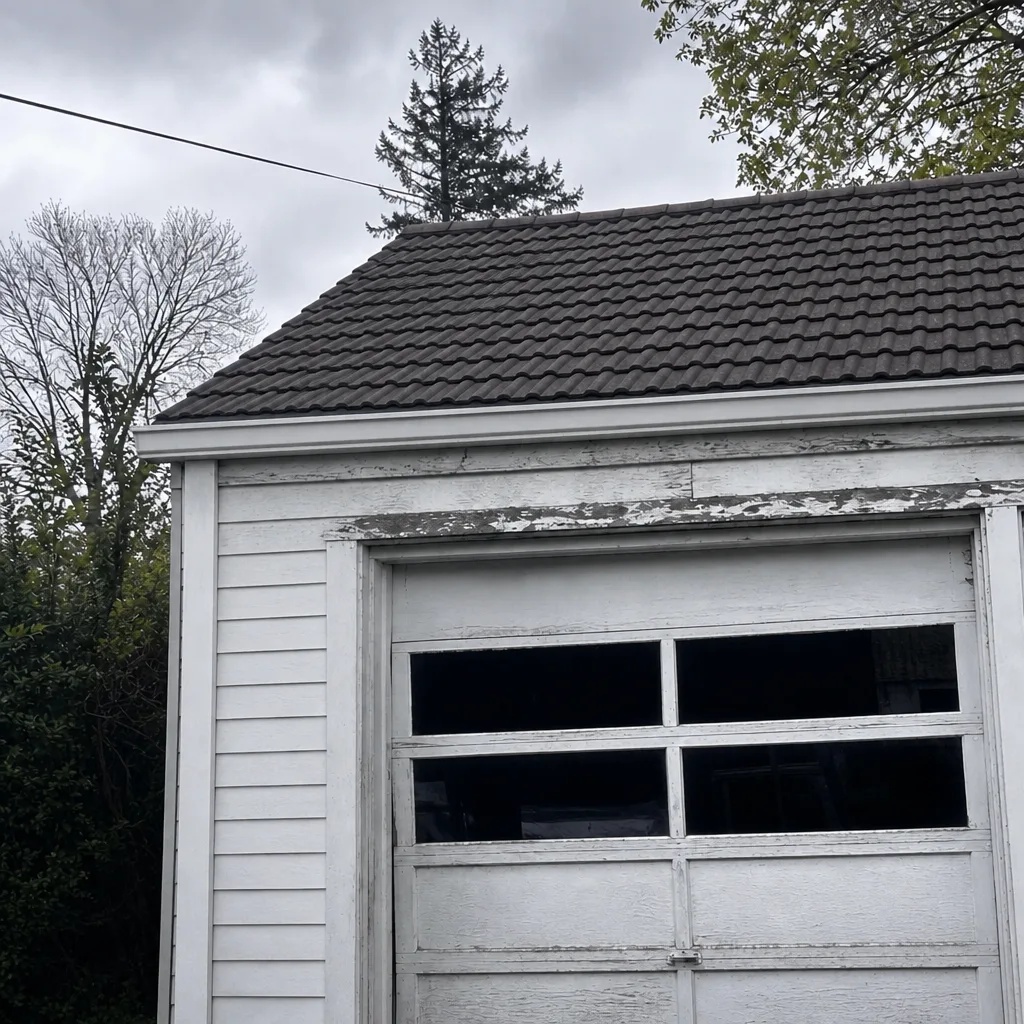 After
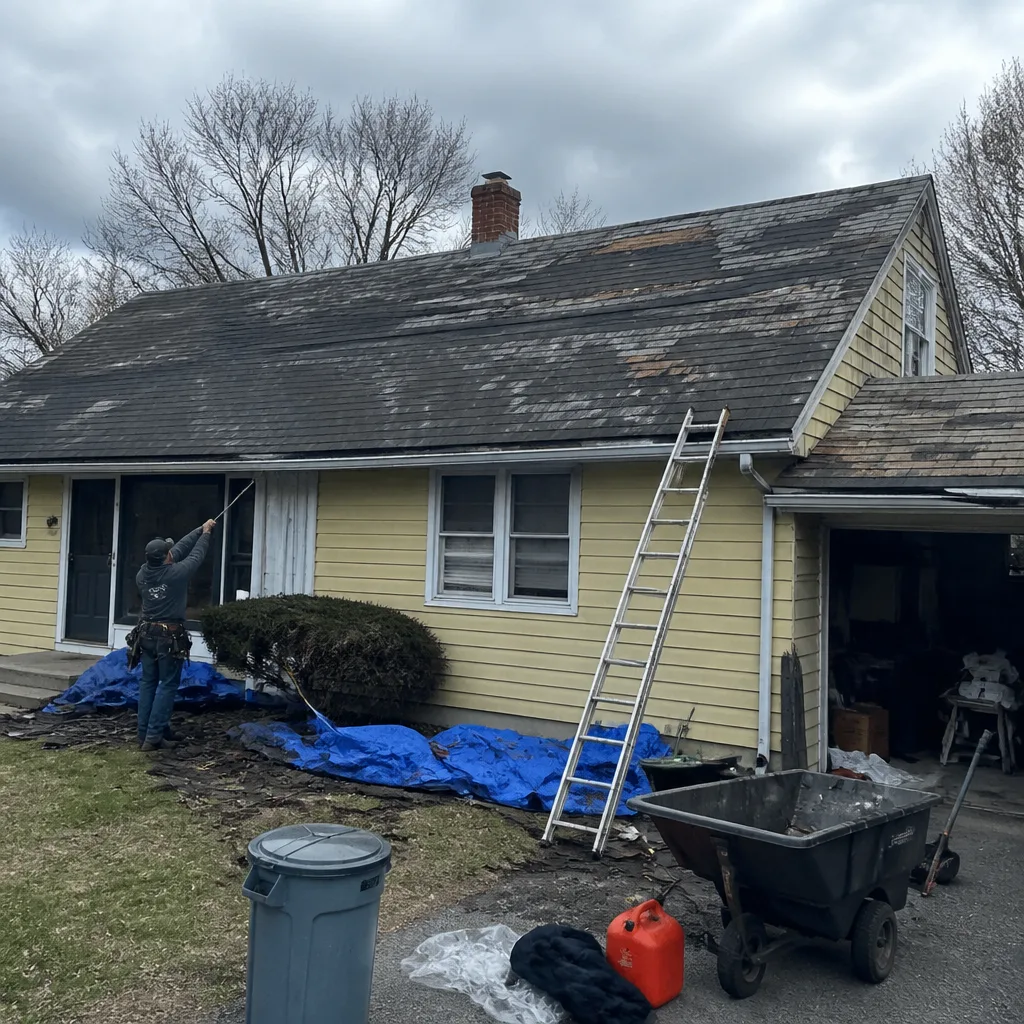 Before
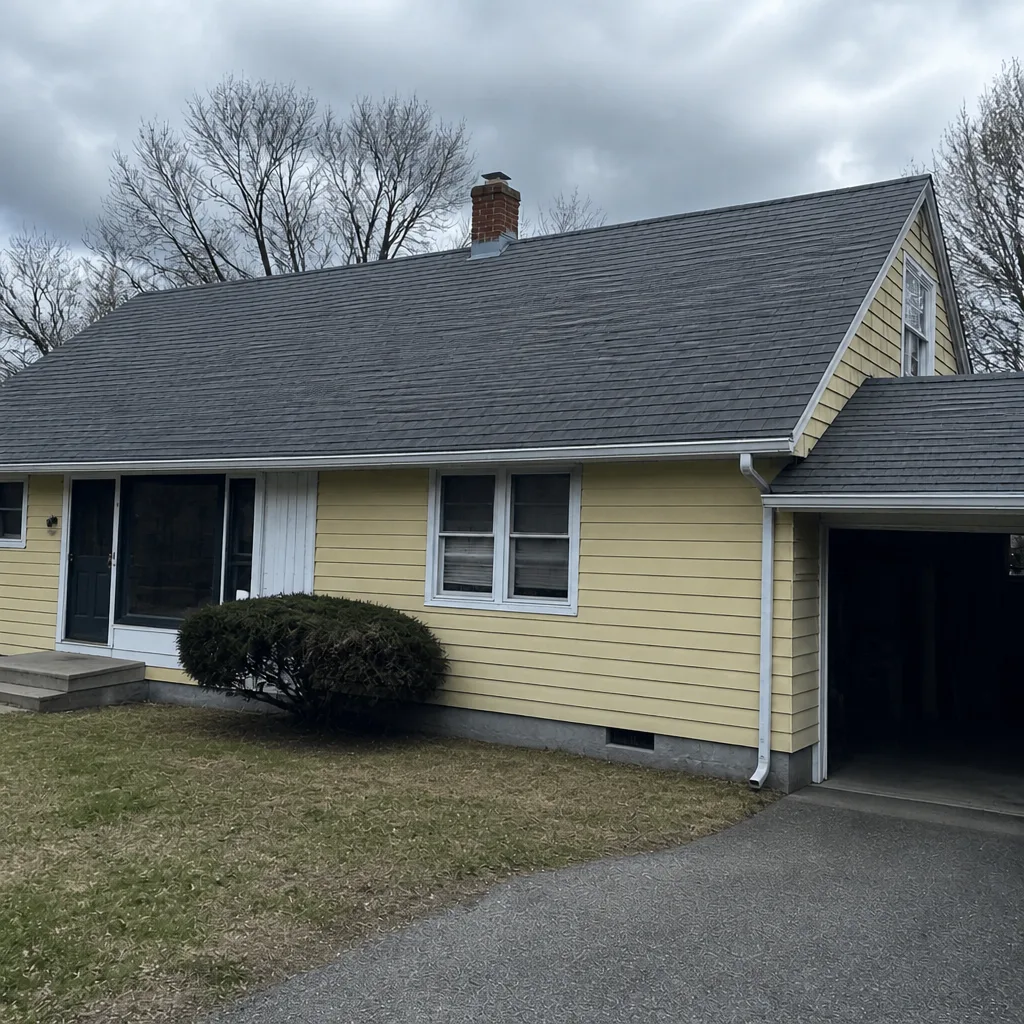 After
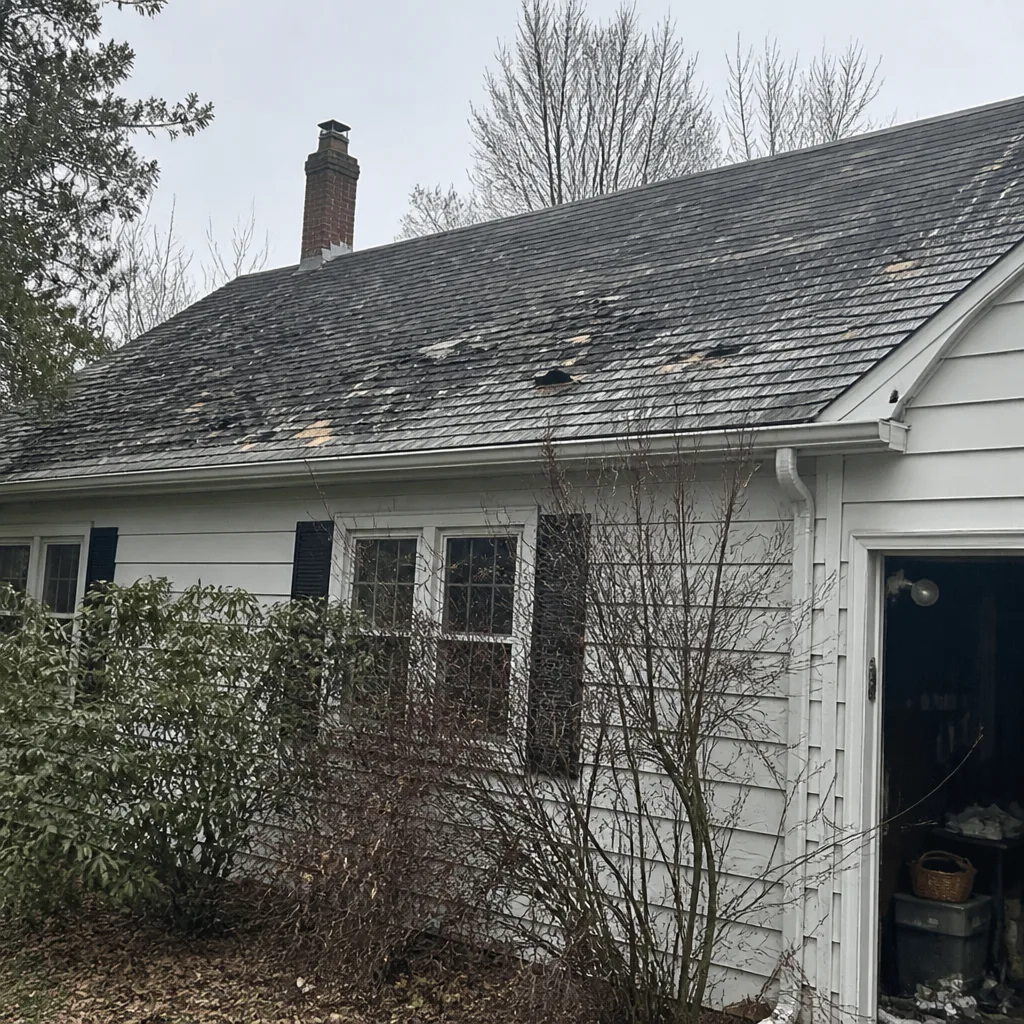 Before
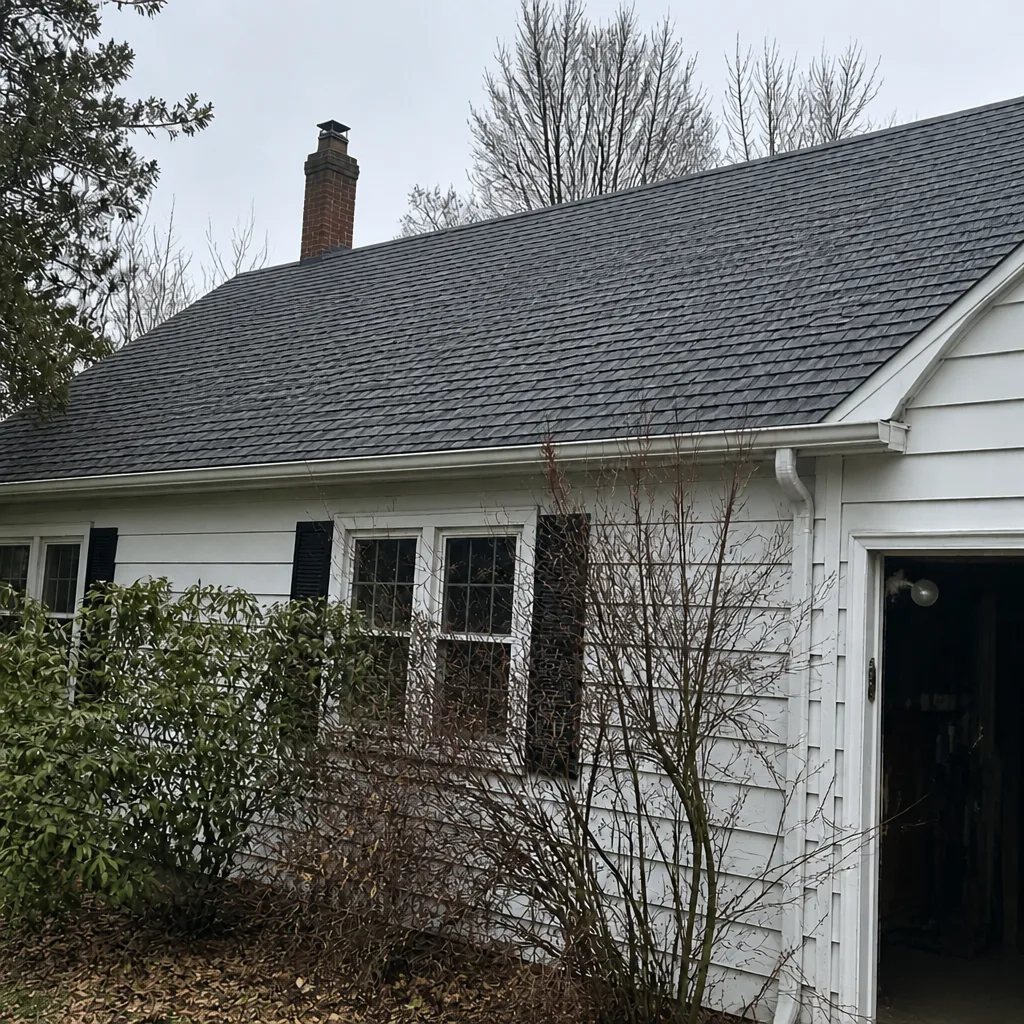 After