
Last updated November 16, 2026
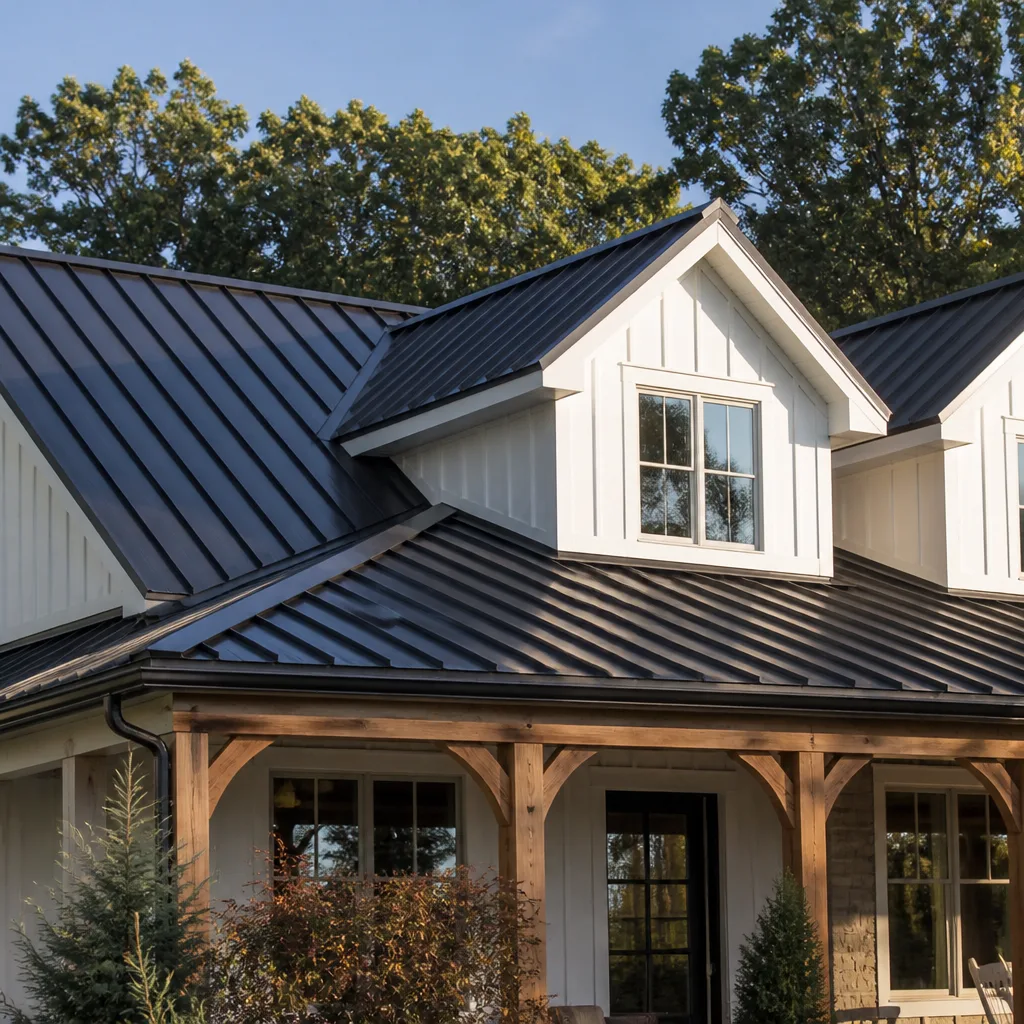 Metal roofing
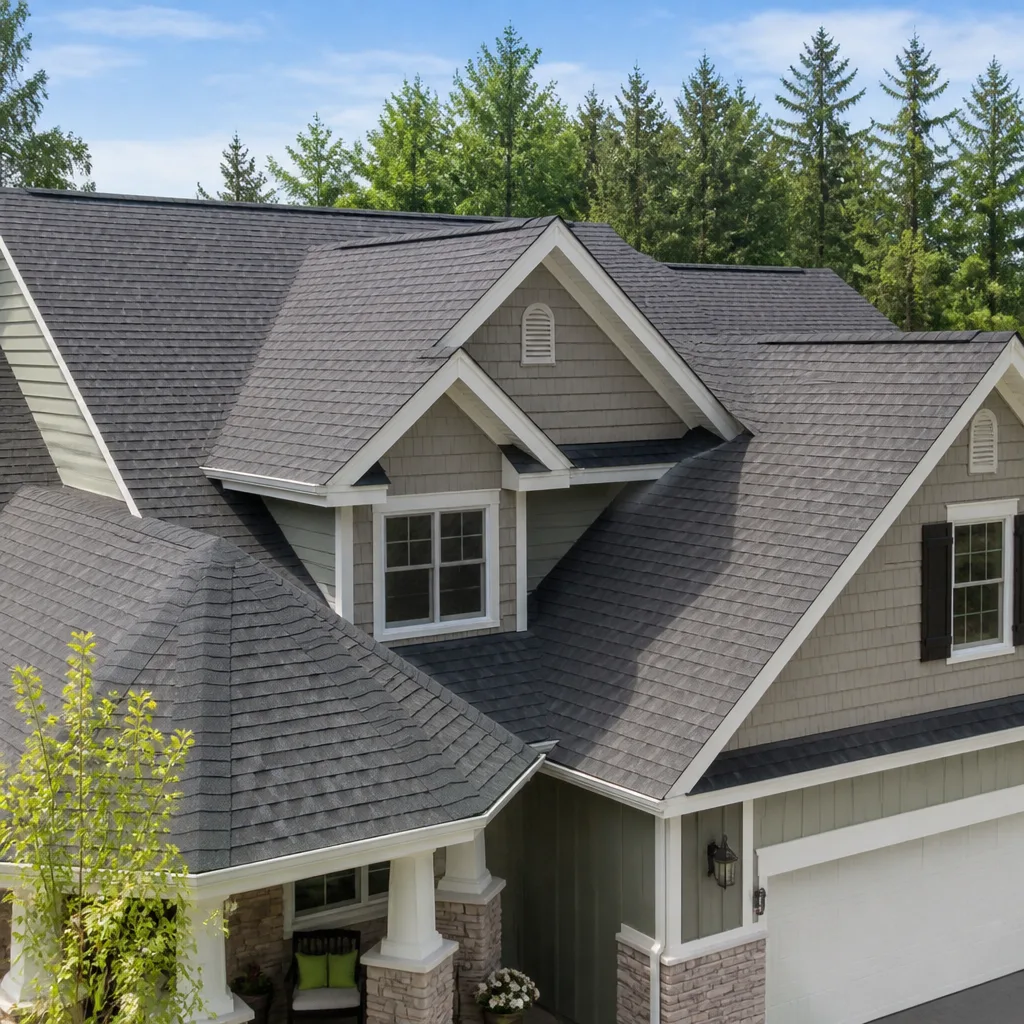 Architectural shingles
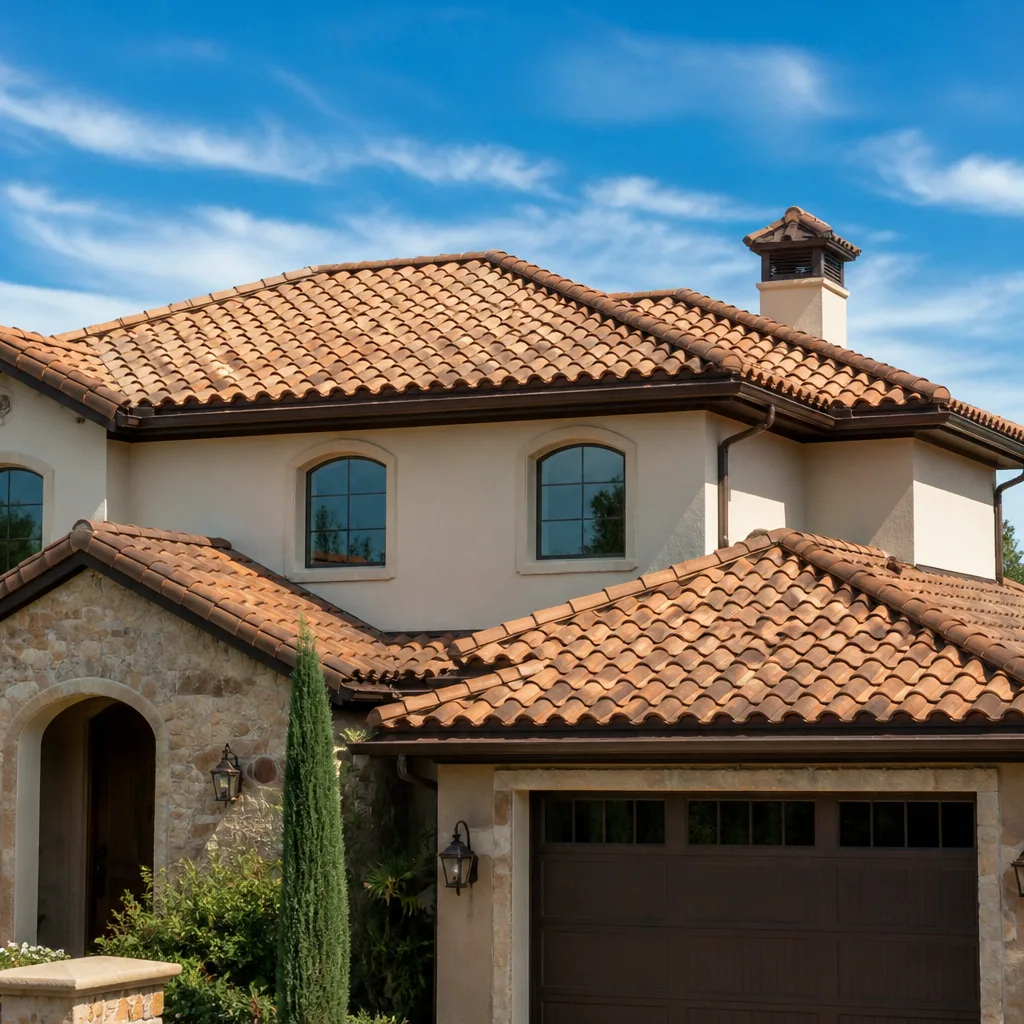 Tile roofing
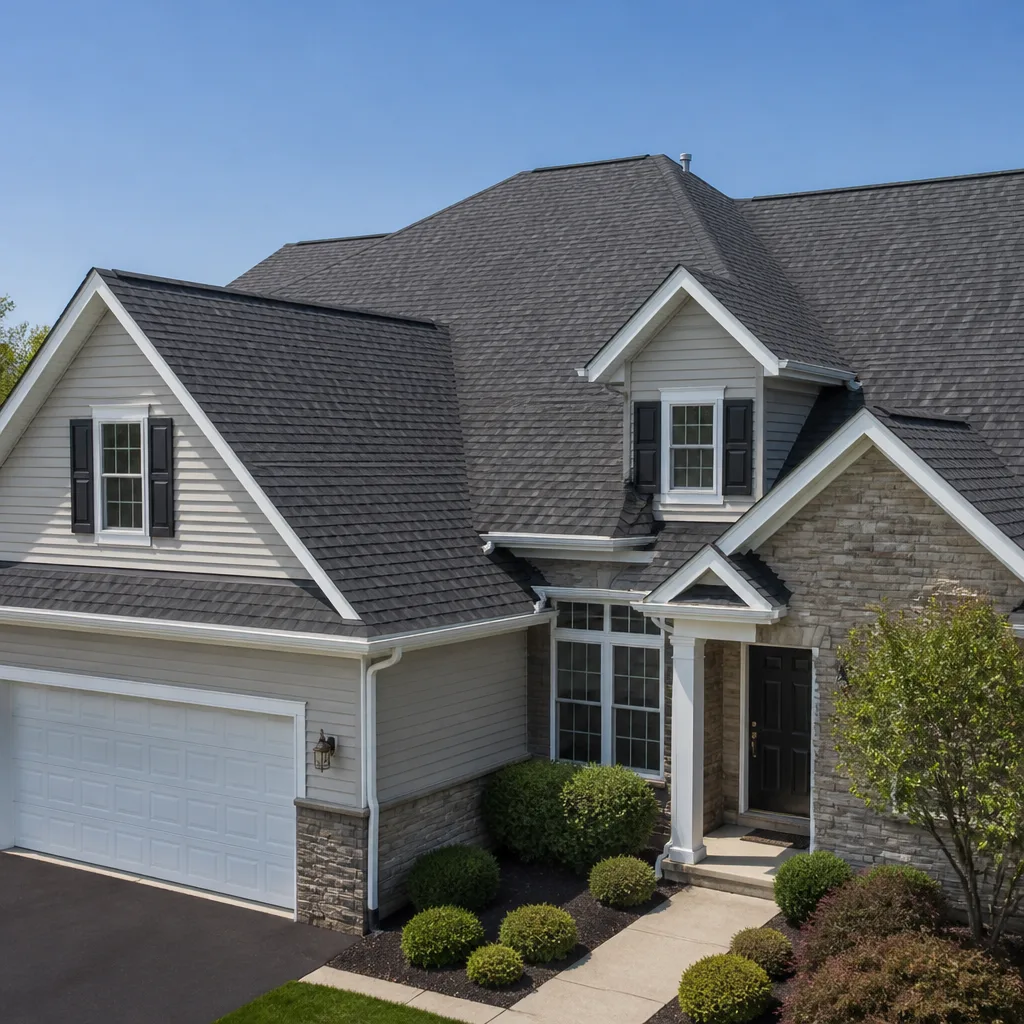 GAF
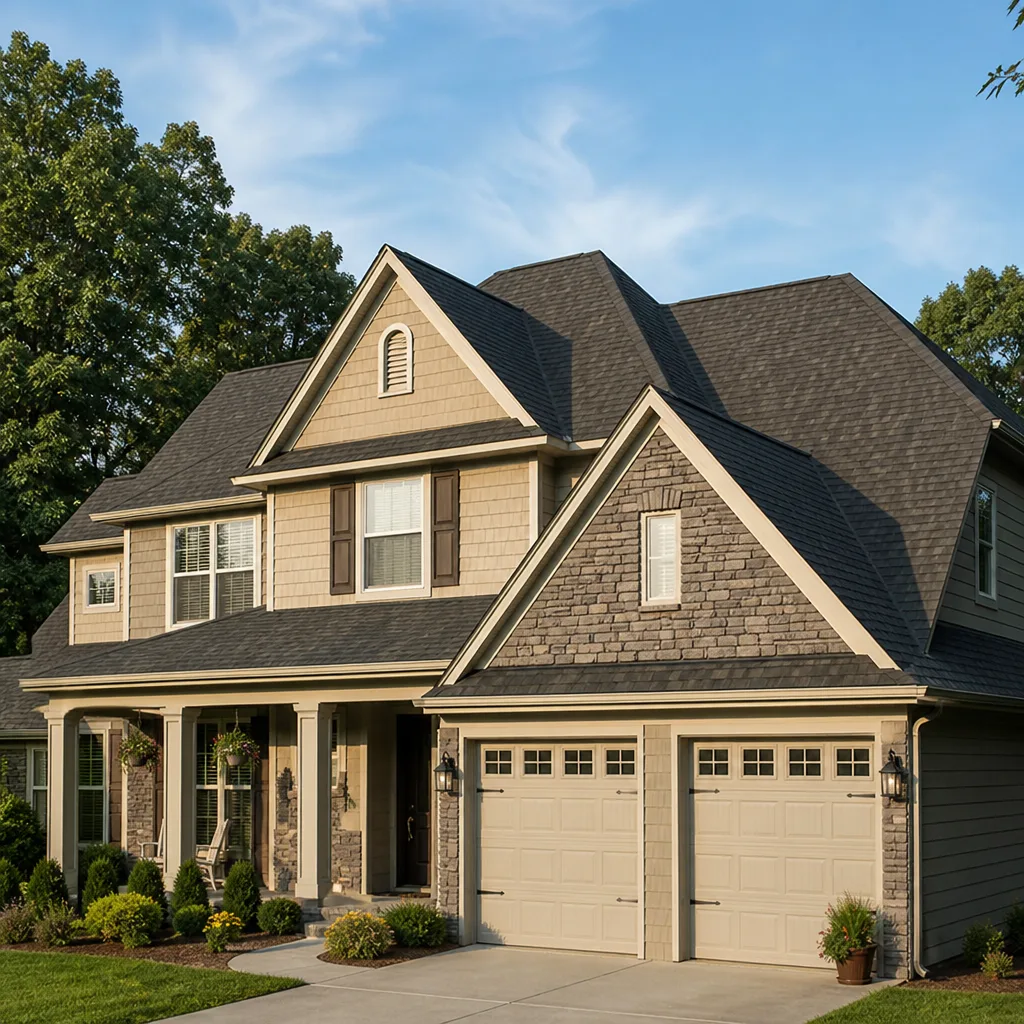 Owens Corning
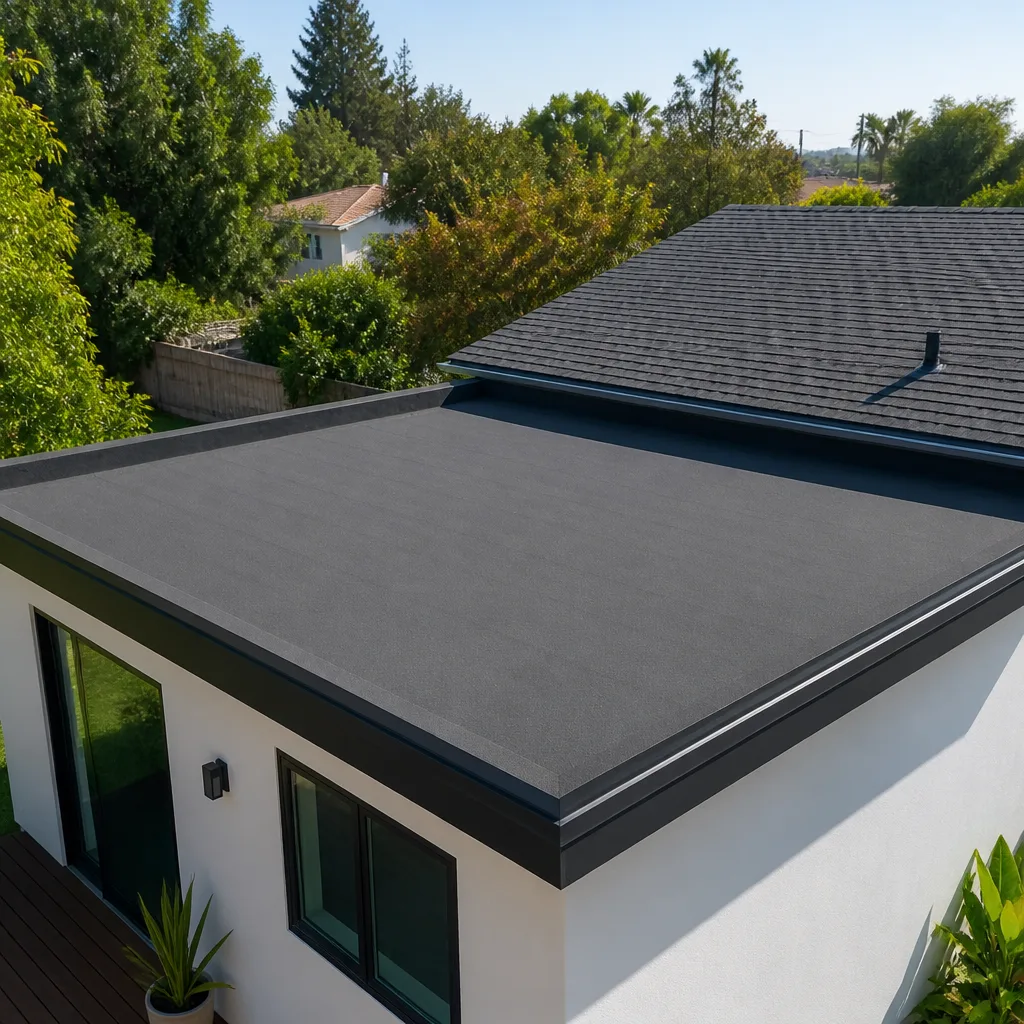 Flat & low-slope
Free roof inspection with deck photos before we talk money - GAF and Owens Corning certified installation
DIY vs Professional Roofing: The Albany Homeowner’s Decision Guide
Most homeowners assume the DIY vs. professional roofing question comes down to skill. It doesn’t. In Albany, the real dividing line runs through New York State licensing law, manufacturer warranty terms, and the city’s building code, and those three things decide far more of the outcome than whether you can swing a hammer. A homeowner who installs shingles here can void the manufacturer warranty, miss a permit requirement, and complicate an insurance claim, often without realizing any of it happened. This guide walks through where the line actually sits, what’s safe to do yourself, and how to compare the real cost of each path.
Quick Answer
Most roofing work in Albany is not a good DIY candidate. Structural repairs, full reroofs, and anything touching roof decking or underlayment fall outside what a homeowner can legally permit and safely do, and homeowner-installed material usually voids the manufacturer warranty. A short list of small tasks (ridge caps, flashing re-seal, gutter reattachment) is genuinely safe to handle yourself, but any repair tied to a leak, a storm claim, or a full replacement belongs with a licensed professional who can pull the permit, warranty the labor, and stand behind the work.
Styles & brands we work with
- Architectural shingles
- Metal roofing
- Tile roofing
- GAF
- Owens Corning
- Flat & low-slope
Table of Contents
- What New York State Law Actually Says About DIY Roofing
- The Warranty Language That Decides the Argument
- The DIY Tasks That Are Genuinely Within Scope
- How a DIY Repair Affects a Water Damage Insurance Claim
- A Cost-Honest Comparison: DIY vs. Professional Replacement
- Why Albany’s Climate and Housing Stock Raise the Stakes
- Why an Inspection Should Come Before Any Decision
- Common Mistakes to Avoid
What New York State Law Actually Says About DIY Roofing
New York State does not require a license to perform roofing work, but it does require permits for most structural and replacement work, and Albany enforces that at the local level. That combination is where a lot of homeowners get into trouble. The permit requirement is what actually binds a DIY project, not a state licensing statute.
The homeowner exemption in New York’s building codes generally allows a homeowner to perform work on their own single-family, owner-occupied residence without holding a contractor license. Where that exemption ends is at the permit office. Albany’s building department still requires permits for reroofs that involve replacing decking, altering the roof structure, or changing the roof covering assembly beyond a straight overlay. If a permit is required and none is pulled, the work is out of compliance regardless of who did it, and the homeowner bears the consequences at resale, at insurance renewal, and if the city inspects.
Here’s how the boundary typically plays out:
- Fully within the homeowner exemption: Small repairs that don’t change the structure and don’t require a permit, such as re-sealing a chimney flashing or reattaching a gutter.
- Gray area: Patching a small section of shingles. Often permit-exempt, but the work still needs to match the existing assembly and be done safely.
- Outside the exemption in practice: Replacing decking, installing new underlayment across a slope, or a full tear-off. These usually require permits, and the permit is what pulls the job back to a licensed professional.
If you’re not sure which category your project falls into, call Albany’s building department and ask directly. That one phone call is faster than any guide. And if the answer is “permit required,” you’re looking at a job for a specialist, which is where Jasper Roof Repair comes in. Roofing is the only trade we practice, so the permit path and the workmanship warranty are both handled by the same team.
The Warranty Language That Decides the Argument
Manufacturer warranties are the least-understood part of the DIY roofing conversation, and in Albany’s climate they matter more than most homeowners realize. Material warranties from GAF, CertainTeed, Owens Corning, and the other major manufacturers we work with are written to cover product installed by a qualified professional. Homeowner installation typically voids the product warranty outright, and even when it doesn’t, the labor and workmanship coverage is gone.
That distinction is worth understanding before you buy a single bundle of shingles.
- Product warranty: Covers defects in the shingles themselves. Often limited or voided by homeowner installation.
- Workmanship warranty: Covers installation errors. Provided by the installer, never by the manufacturer, and never available on a DIY job.
- System warranty: Some manufacturers offer enhanced coverage when the entire roof assembly (underlayment, starter, shingles, ridge) comes from their system and is installed by a qualified contractor. DIY eliminates this entirely.
Why does this matter in Albany specifically? A roof here takes a genuine beating: lake-effect snow loads, freeze-thaw cycles that open small seams, and ice damming along the eaves on older homes. A shingle that’s installed with a slight nail-placement error, or without the right starter course, can hold up for one mild winter and then fail once the first hard freeze pushes water into the deck. When that happens, the difference between “warranty covers this” and “you’re paying for it twice” comes down to who installed the roof.
This is why we work with seven major manufacturers rather than pushing a single brand. Material choice should follow the roof and the budget, not a vendor relationship, and having that range means we can match the right assembly to your home without steering you toward whatever one supplier happens to stock.
The DIY Tasks That Are Genuinely Within Scope
There is a real list of roofing tasks a homeowner can handle safely, and it’s worth being clear about it because too many guides treat every roof project as equally dangerous or equally doable. Both are wrong. The honest answer is that a handful of maintenance-level jobs are fine to do yourself with the right precautions, and everything above that line is not.
Tasks that are genuinely within a homeowner’s safe scope:
- Ridge cap replacement. Individual ridge caps lift and tear over time. This is a small, contained job at the peak of the roof, reached from a stable ladder or a low-slope section, and requires only matching shingles and roofing cement.
- Minor flashing re-seal. If a chimney or vent flashing has a visible gap or the sealant has cracked, cleaning out the old caulk and applying fresh roofing sealant is a reasonable first-line fix. It’s a temporary seal, not a repair, so expect to revisit it.
- Gutter reattachment. A gutter that’s pulled loose from a fascia board, a leaking hanger, or a downspout that’s clogged and overflowing are all tasks a homeowner can manage from the ground or a short ladder.
What’s not in scope, even for a confident DIYer:
- Any work on the roof surface itself that involves removing shingles to access decking.
- Anything involving ice dam remediation at the eaves, which requires understanding the roof assembly and often points to a ventilation or insulation problem underneath.
- Any repair on a steep pitch, above a two-story height, or in wet or icy conditions.
A word of caution before you climb. Roofing is one of the trades where a fall from a modest height changes a household’s finances in a permanent way, and a homeowner without fall protection, roof jacks, or a second person spotting is taking a real risk. If the job involves the roof surface and not the gutter edge, call a professional. That isn’t a sales line, it’s the honest answer about the danger. Our technicians have up to 15 years of experience working on this terrain, and the training exists because the work is genuinely risky, not because it’s complicated to describe.
How a DIY Repair Affects a Water Damage Insurance Claim
This is the part of the DIY argument that most guides skip entirely, and in Albany it’s where a $200 decision can turn into a five-figure problem. When a homeowner files a water damage claim after a roof leak, the adjuster’s investigation almost always includes a look at the workmanship on the roof. If the roof shows a prior DIY repair, the insurance company can argue that the homeowner’s own work caused or worsened the damage, which is grounds for denial or a reduced payout.
The chain typically works like this:
- A homeowner notices a stain on a ceiling and patches the area above it themselves.
- The patch appears to work for a season. The real source of the leak, often at a flashing detail or a nail pop a few feet uphill, is never addressed.
- Water continues to enter and rots the decking and sheathing over time, unseen.
- A storm finally pushes enough water in to cause visible damage throughout the room, and the homeowner files a claim.
- The adjuster inspects the roof, finds the prior DIY work, and disputes coverage based on homeowner workmanship.
Even in a straighter case, where a DIY repair was done well, the insurer’s underwriter may treat a self-installed roof covering as a maintenance concern and flag the policy at renewal. In a state where property insurance is already under scrutiny, that’s an avoidable risk. A professional roof repair comes with a paper trail: written scope, invoice, warranty. That documentation is what protects you if a claim ever comes up, and we can work with your insurer to make sure the record is complete.
A Cost-Honest Comparison: DIY vs. Professional Replacement
On paper, DIY looks cheaper. It almost never is, once you factor warranty, permit, material waste, and risk into the math. We won’t quote prices here because roofing costs vary by roof size, pitch, and material, and any number that isn’t a written estimate is a guess. What we can do is lay out the line items that separate the two paths clearly, so you can weigh them yourself.
- Material cost: Roughly comparable. A homeowner and a contractor both buy shingles at retail or near-retail for a small job. The contractor’s advantage is less waste; a DIY roof commonly buys 15 to 20 percent more material than it needs.
- Permit cost: A permit is required for most full replacements and the fee is the same either way, but a homeowner who skips it takes on a resale and insurance exposure that no contractor would leave in place.
- Warranty value: This is the largest line. A contractor-installed roof carries a workmanship warranty and, when the assembly is system-matched from one manufacturer, an enhanced product warranty. A DIY roof carries neither. A single leak three winters in, when the roof is out of any coverage, can cost more than the entire labor savings.
- Disposal and tear-off: Hauling away old shingles is real labor and often a rental dumpster on a DIY job. Not insurmountable, but not free.
- Time and risk: A DIY replacement on a typical Albany single-family home is a multi-weekend project, often in weather that doesn’t cooperate, and every hour on the roof is a fall risk.
When we quote a roof replacement, we lay out these line items in the written estimate: material, labor, permit, disposal, warranty. No change orders, no surprises. Compare that to a DIY path where the material cost is the only visible number and the rest is open-ended, and the comparison rarely favors DIY in the way the sticker price suggests.
Why Albany’s Climate and Housing Stock Raise the Stakes
Albany is not a forgiving climate for a roof. Snow loads through the winter, repeated freeze-thaw cycles that work at every seam, and spring storm seasons that push wind-driven rain against siding and flashing. On some homes you can watch ice dams form along the northern eaves in the middle of a January thaw. That set of conditions is exactly what separates a well-installed roof from a marginal one, because small workmanship errors fail visibly here within a few seasons, not a decade.
The housing stock raises the stakes further. Albany’s older neighborhoods, including the rowhouses and pre-war homes in Center Square and the Pine Hills, often have original roof assemblies that were built to different standards than a modern installation. Layers of old shingles, mixed materials from prior repairs, and original flashing details that don’t match anything on the shelf today. Working on these roofs is a different job than putting shingles on new decking, and it’s the kind of situation where a homeowner patch that seems to work on a newer house can create a lasting problem on an older one.
If you own a home in the Albany area and you’re not sure what you’re looking at up there, an inspection is the honest first step. Our roof inspection is a standalone service; there’s no obligation to buy anything afterward. You get the real condition of the roof in plain terms, and then you decide.
Why an Inspection Should Come Before Any Decision
The most common mistake we see in Albany isn’t a bad repair. It’s a decision made before anyone actually looked at the roof. A homeowner hears a drip, searches for “roof repair Albany NY,” and calls three contractors, two of whom recommend a full replacement before they’ve been on the roof. That pattern is why our service starts with inspection, not with repair or replacement. The Jasper Roof Repair process has three fixed stages (inspection, repair, replacement) and the inspection always comes first, because the solution has to follow the diagnosis, not the other way around.
What a proper inspection actually covers:
- An on-roof walk of every slope, checking shingle condition, granule loss, and nail pops.
- Flashings at the chimney, vents, skylights, and valleys, where most active leaks originate.
- Decking condition at accessible areas, since soft or rotted decking changes the scope of any repair.
- Gutter and drainage function, especially where downspouts discharge near the foundation.
- Attic-side ventilation and any signs of moisture where it shouldn’t be.
An inspection gives you two things a DIY guess can’t: a real baseline on the roof’s remaining service life, and a documented starting point if you later file an insurance claim. If the roof has three to five good years left and a single flashing leak, we tell you that and repair the leak. If the assembly is failing across multiple slopes, we tell you that too, and lay out replacement options from multiple manufacturers so the material choice follows your budget and the roof’s needs. That’s the honest answer either way, which is the only useful answer when a homeowner is deciding between a small repair and a five-figure replacement.
Common Mistakes to Avoid
- Skipping the permit because “it’s just a repair.” If the repair involves opening the roof assembly, a permit is likely required, and the exposed paper trail is what protects you at resale. Call Albany’s building department to confirm before any work starts.
- Assuming the shingles you buy carry the same warranty as a contractor’s install. Read the warranty documents before purchase, not after. Homeowner installation typically voids the product warranty and always eliminates workmanship coverage.
- Patching a leak without finding its source. A ceiling stain is the symptom. The actual breach is usually uphill and often at a flashing detail. Patching the stained area from inside doesn’t stop the water, and it can hide the damage until the decking rots through.
- Doing a DIY repair just before filing a storm claim. Adjusters can and do investigate prior homeowner workmanship, and a pre-claim DIY repair is one of the fastest paths to a disputed or denied water damage claim.
- Working from a ladder on icy or wet days. Albany winters produce exactly the conditions that cause falls. If the roof deck is wet, snow-covered, or icy, the task is not a homeowner task that day.
- Layering new shingles over old on a roof that’s already failing. This is sometimes done to save on tear-off cost, but it hides existing decking problems and reduces the lifespan of the new material. On an older Albany roof, it’s a shortcut with a predictable cost.
- Ignoring ice dam formation at the eaves. Ice dams are a symptom of a heat-loss and ventilation problem, not just a drainage issue. Chopping them off from the ground is a temporary fix that risks damaging the shingles. The real solution usually lives in the attic insulation and ventilation, and a roof inspection can identify it.
See the difference
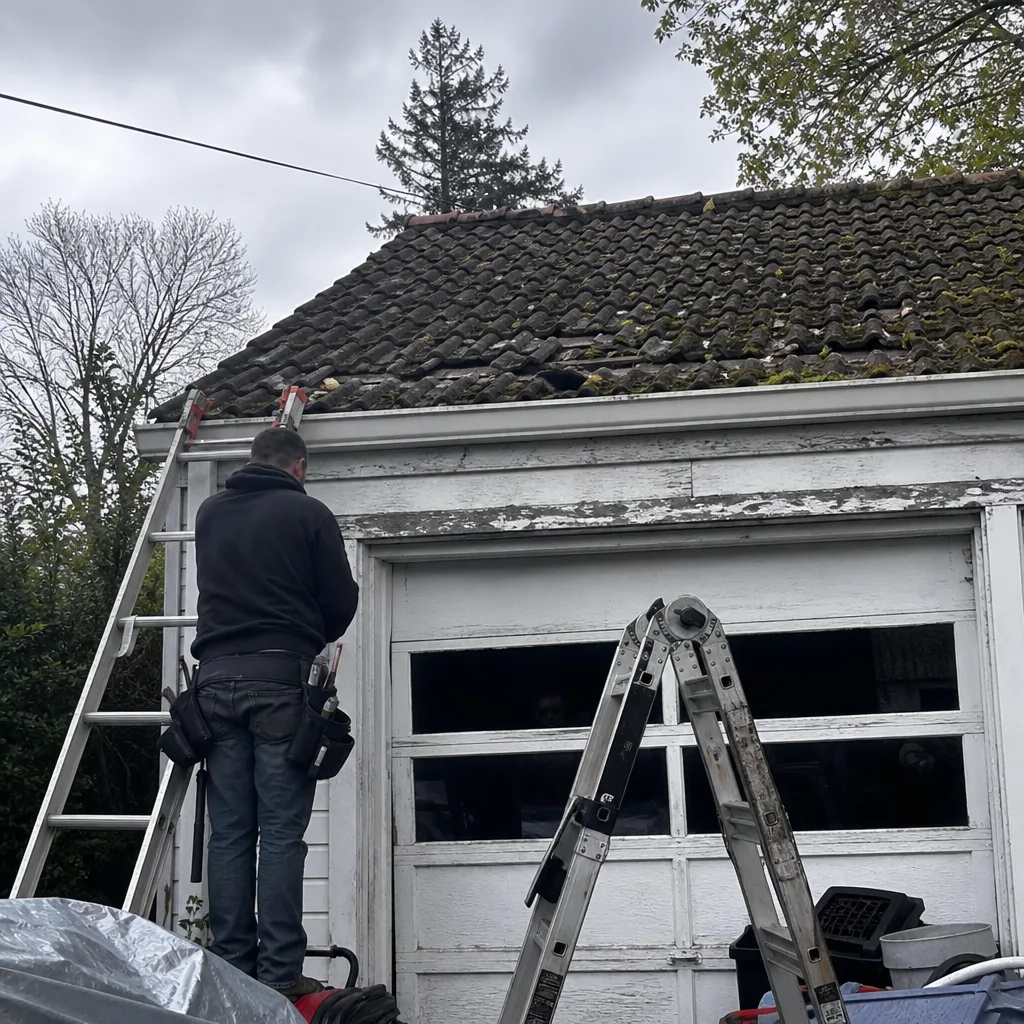 Before
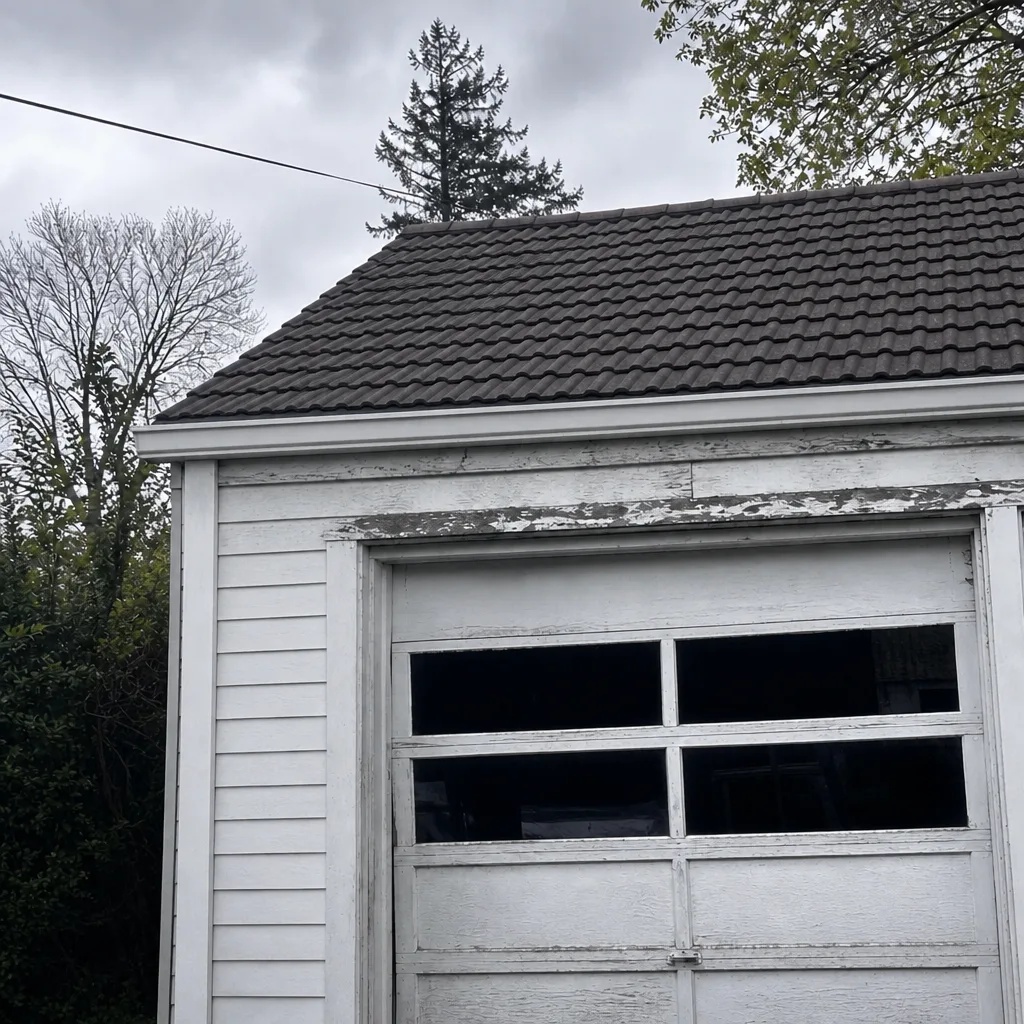 After
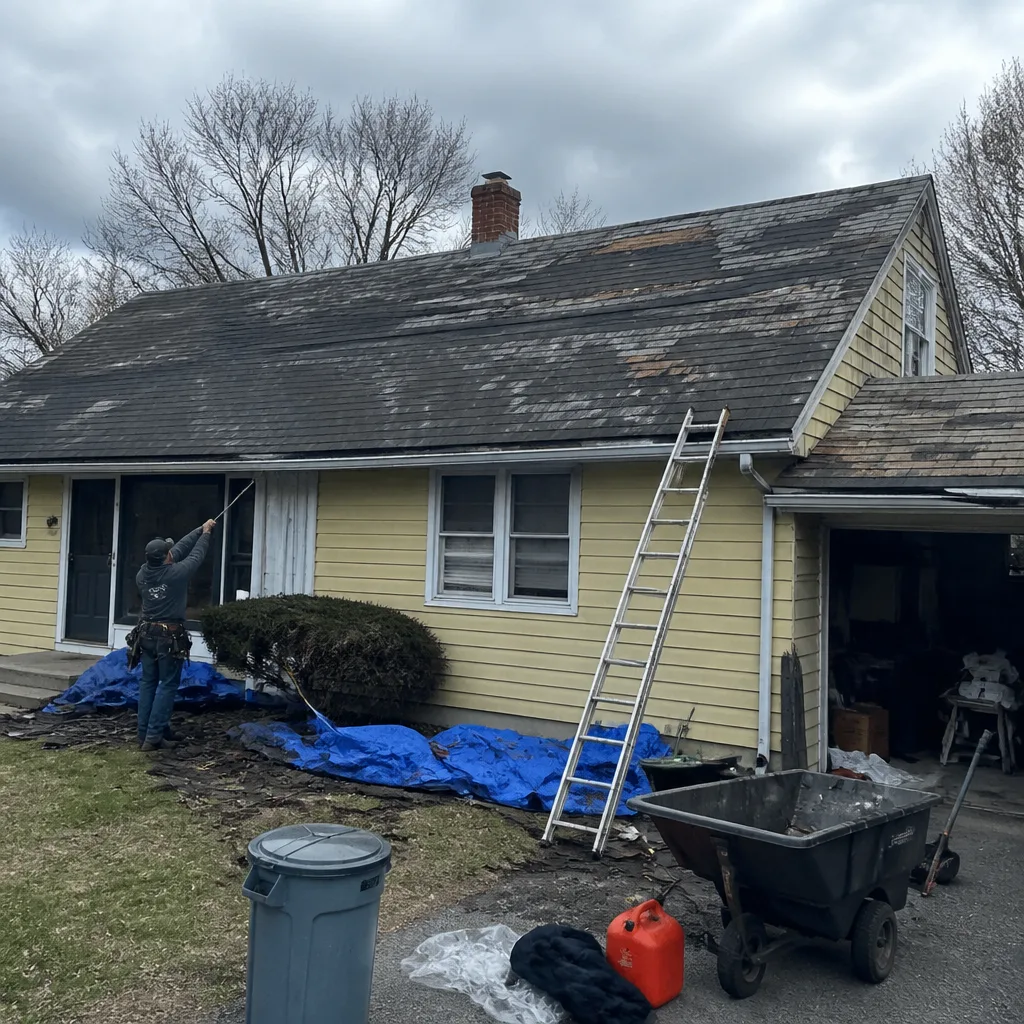 Before
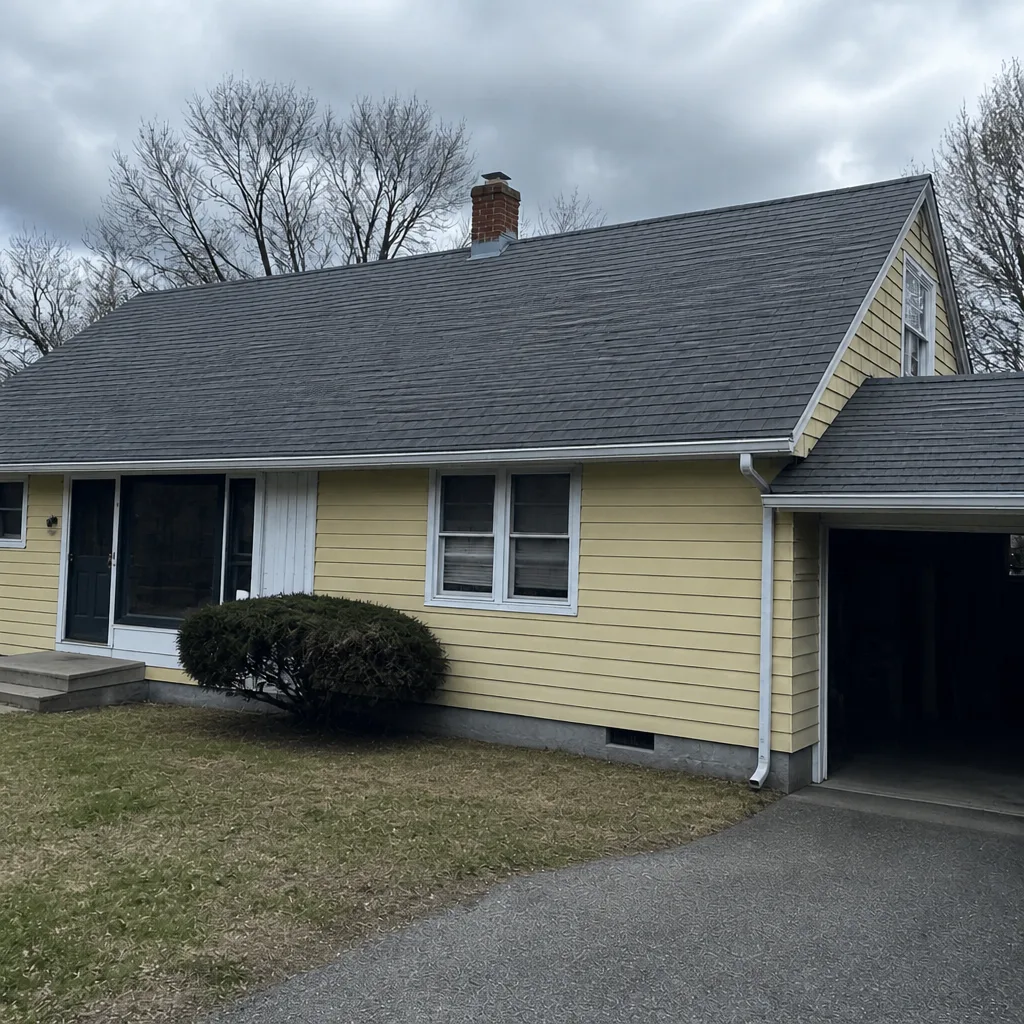 After
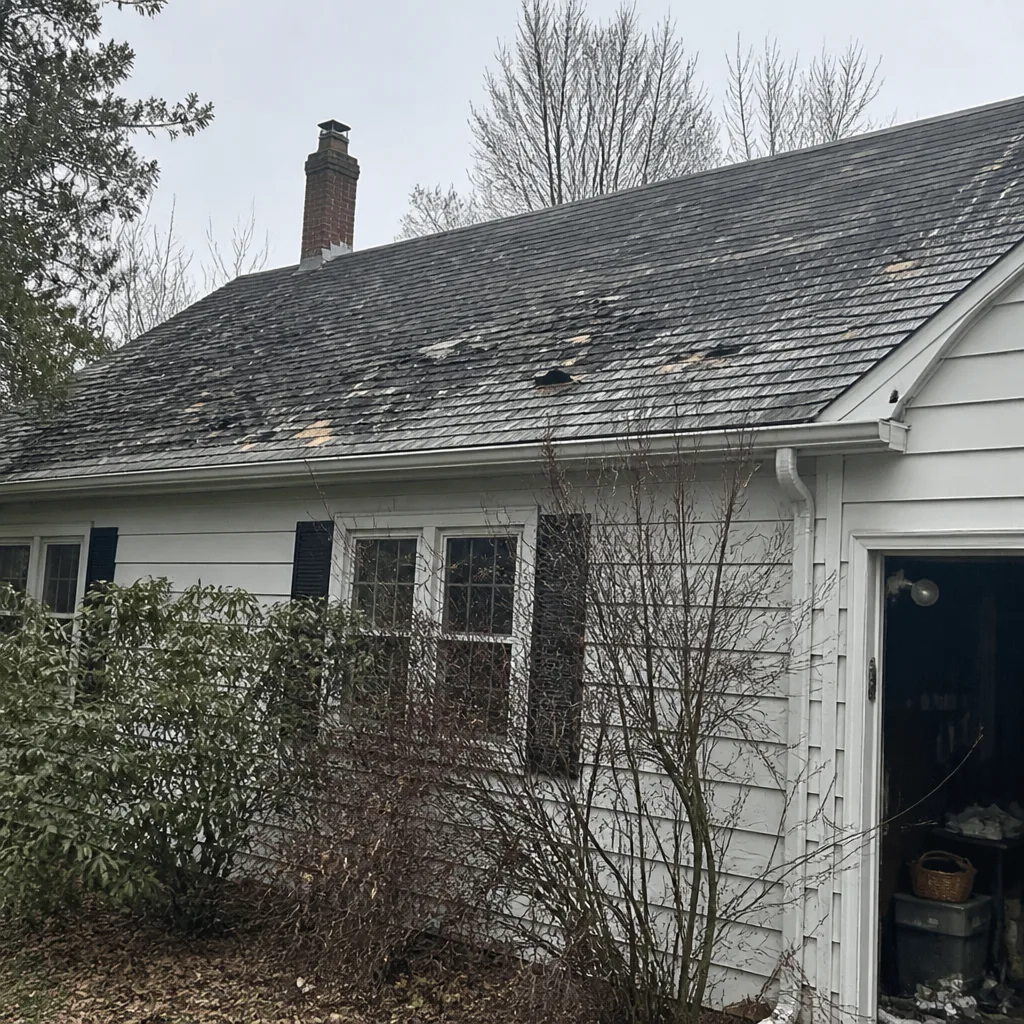 Before
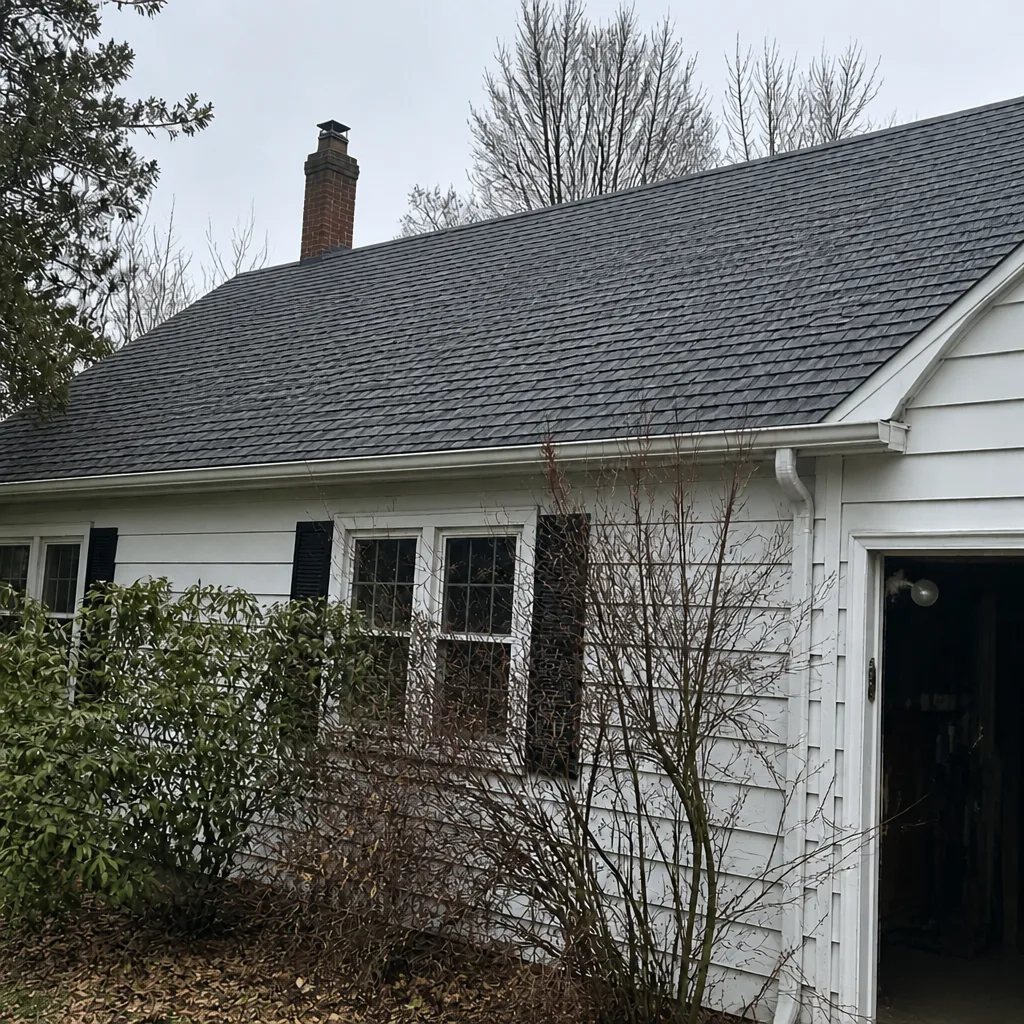 After
When to Call a Professional
Any of these situations calls for a licensed professional rather than a DIY attempt:
- An active leak that hasn’t stopped after a temporary seal.
- Any work that requires a permit, including full replacements and deck replacement.
- Visible sagging, soft spots, or daylight coming through the roof deck from the attic.
- Storm damage you intend to file an insurance claim for.
- Any roof with a steep pitch, a height over two stories, or an original assembly on an older Albany home.
- Any work during snow, ice, or after a heavy rain when the deck hasn’t dried.
Jasper Roof Repair offers free estimates in Albany. Call (855) 473-7282. We answer 24/7. Fast dispatch from 7am to 7pm, Sunday through Friday. We inspect first, tell you what’s actually wrong, and give you a written estimate either way. Roofing is all we do, and that focus is why the answer you get is a straight one.
Frequently Asked Questions
New York State doesn’t require a roofing license, so a homeowner can legally work on their own single-family, owner-occupied home. The boundary is the permit. Albany’s building department requires permits for most full replacements and structural work, and the permit requirement is what makes most meaningful DIY roofing illegal in practice. Call the building department for your specific project before you start, and if a permit is required, plan on a professional.
Usually, yes. Manufacturer warranties from GAF, CertainTeed, Owens Corning, and the other major brands are written to cover product installed by a qualified professional, and homeowner installation typically voids the product warranty and always eliminates workmanship coverage. Read the warranty document for the material you’re considering before purchase, because the answer matters most the winter after installation, not the day of.
Very small, clearly identified issues at a flashing or ridge cap can be a reasonable homeowner fix if you can reach them safely from a ladder or a stable low-slope section. Anything that requires removing shingles to access the leak source is not a safe DIY job, and any leak that isn’t fully traced to its origin will return. Call (855) 473-7282 for a free estimate if you’re not sure where the water is actually getting in.
Roof replacement pricing depends on roof size, pitch, material choice, and whether decking needs to be replaced, so a written estimate is the only honest answer. We quote line-item: material, labor, permit, disposal, warranty. Our estimates are free and there are no change orders once work starts. Multi-brand access (GAF, CertainTeed, Owens Corning, IKO, Atlas, Tamko, Boral) means the material recommendation follows your roof and your budget, not a single supplier’s stock. Call (855) 473-7282 to schedule.
It can. When you file a water damage claim, the adjuster often inspects prior workmanship on the roof, and a DIY repair can be used to argue the homeowner’s own work caused or worsened the damage, which is grounds for denial or a reduced payout. A professional repair comes with a written scope, an invoice, and a warranty, and that paper trail is what protects you in a claim. We can work with your insurer to make sure the record is complete.
A full replacement on a typical Alpine single-family home is usually one to three days of on-roof work, depending on size, pitch, material, and weather. Tear-off and decking repair can add time. We schedule around the forecast because winter and early-spring conditions affect installation, and we don’t lay shingles in conditions that compromise the assembly. Call (855) 473-7282 for a written schedule with your estimate.
The Bottom Line
The DIY vs. professional roofing decision in Albany isn’t primarily about skill. It’s about three things that decide the outcome before you ever climb a ladder: the permit path that pushes most meaningful work to a licensed professional, the manufacturer warranty that typically voids on homeowner installation, and the insurance exposure that comes with a DIY repair ahead of a claim. A short list of maintenance-level tasks (ridge caps, flashing re-seal, gutter reattachment) is genuinely fine to do yourself. Everything beyond that is a job for a specialist who can pull the permit, warranty the work, and hand you the paperwork you’ll need if the roof fails later. Start with an inspection and you’ll spend nothing to know exactly what you’re dealing with.
Call (855) 473-7282 for a free estimate. We answer 24/7. Fast dispatch from 7am to 7pm, Sunday through Friday.
Written by the team at Jasper Roof Repair.