
Last updated November 16, 2026
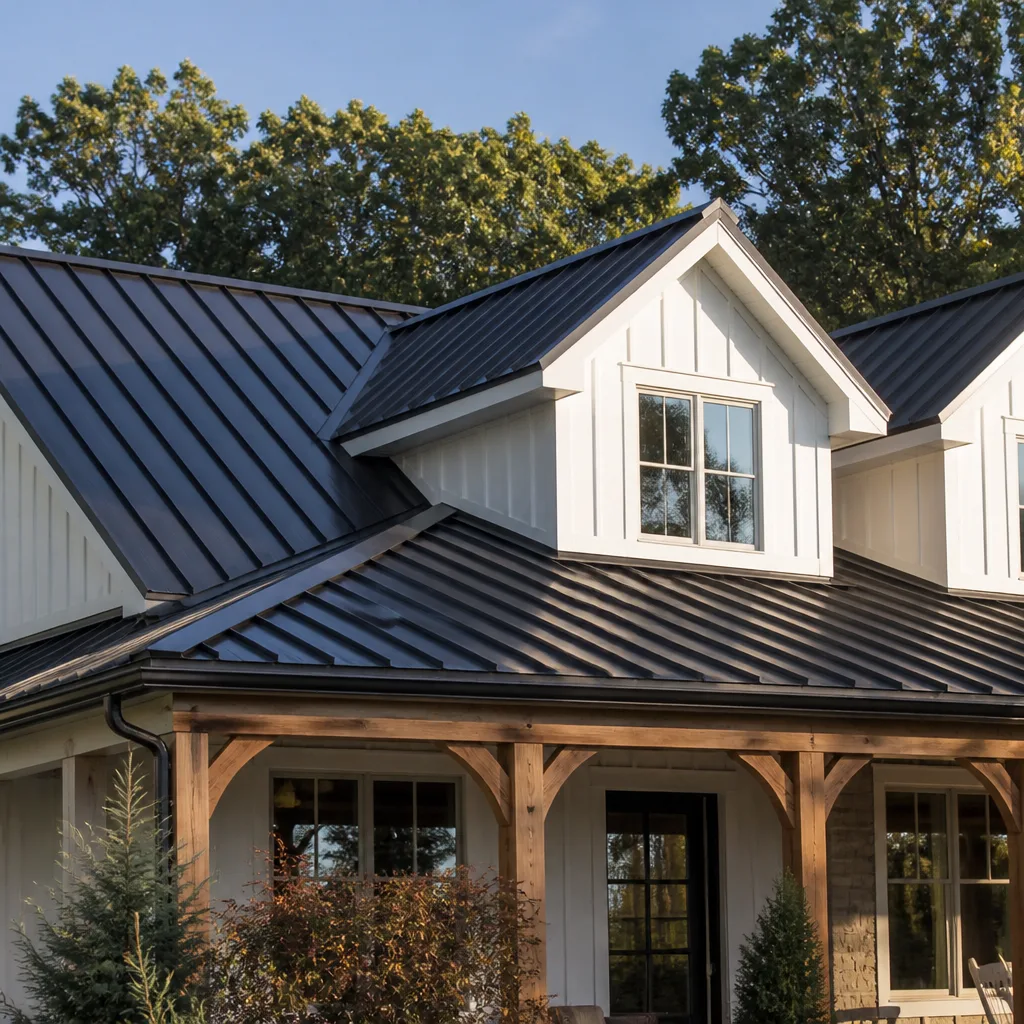 Metal roofing
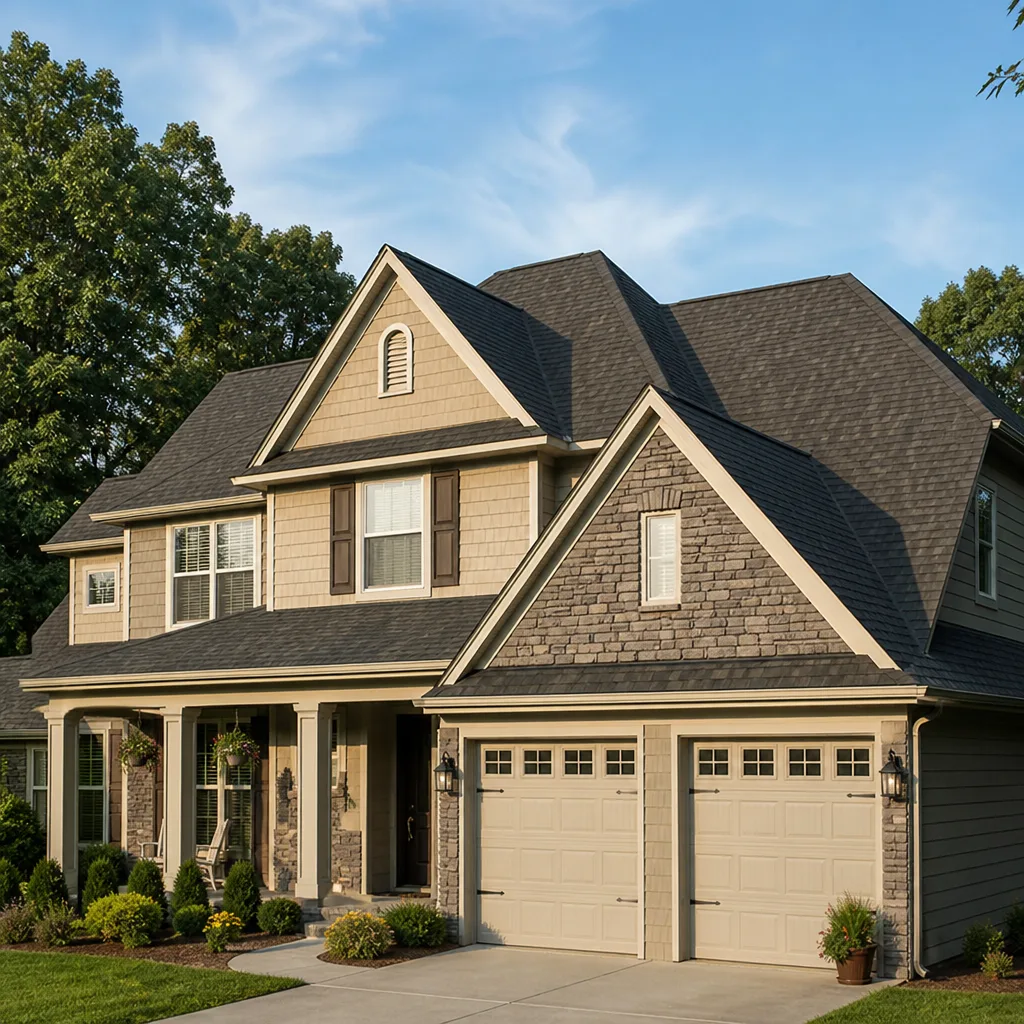
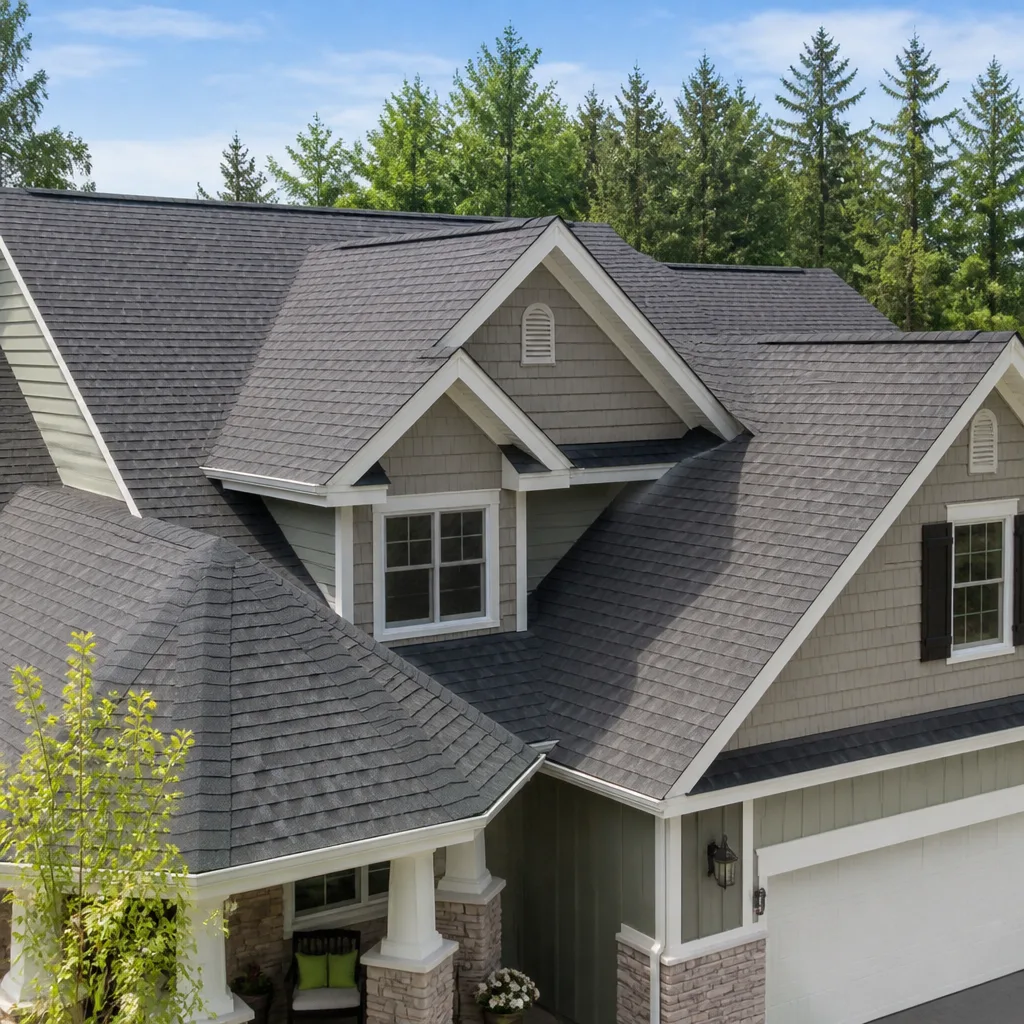 Architectural shingles
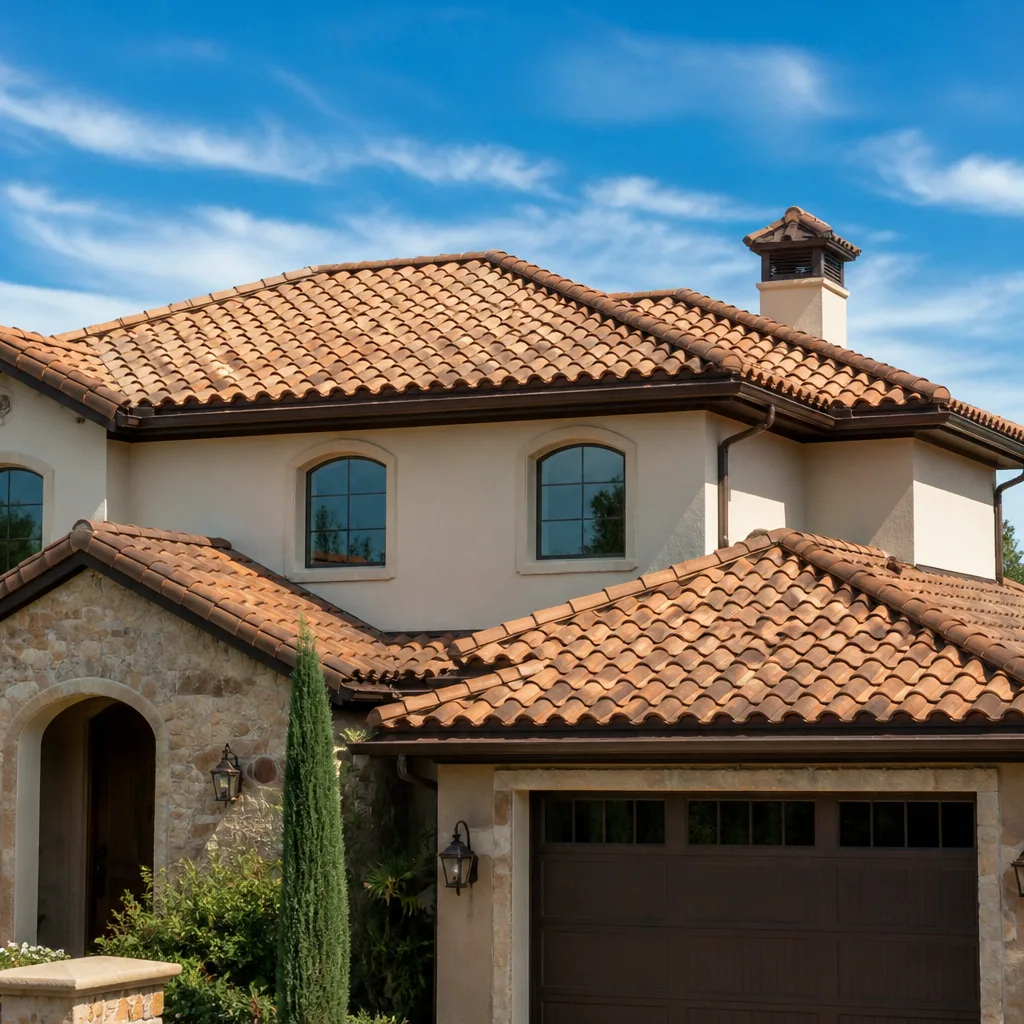 Tile roofing
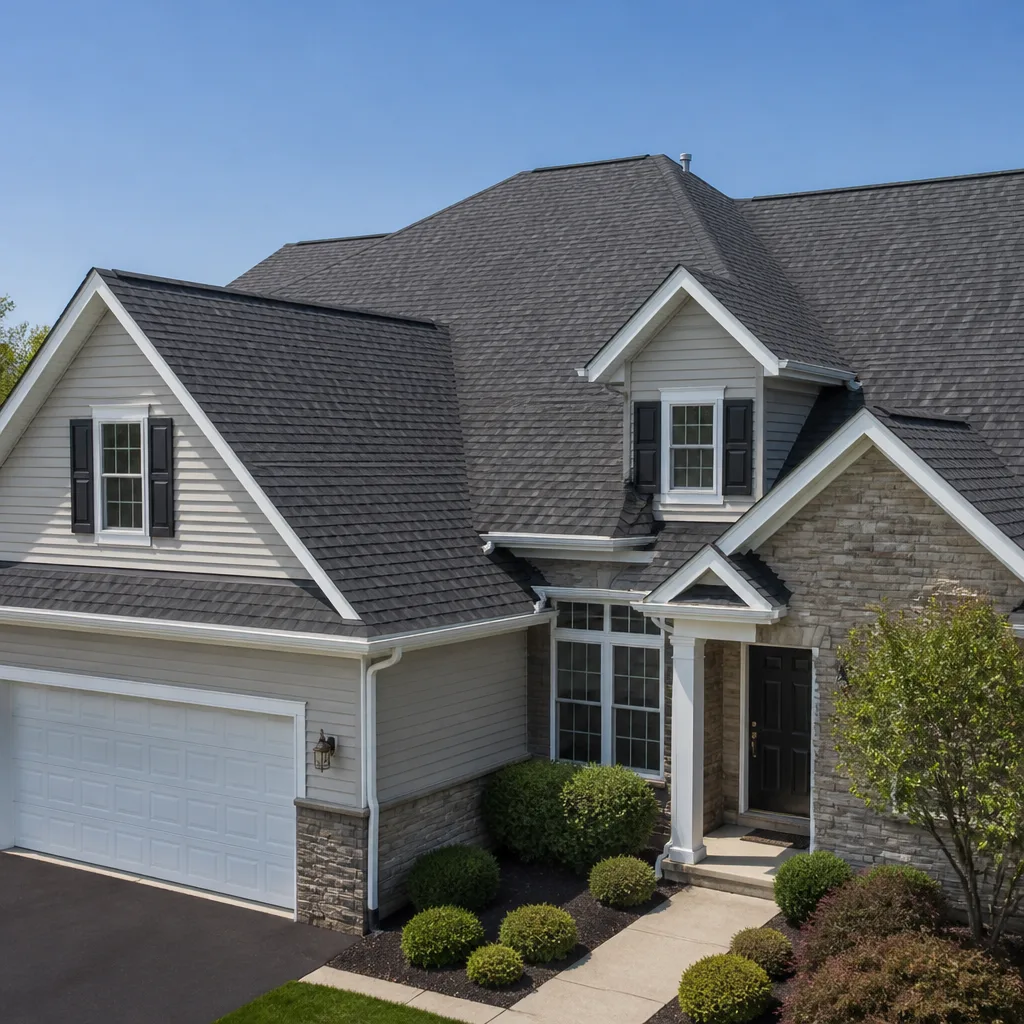 GAF
 Owens Corning
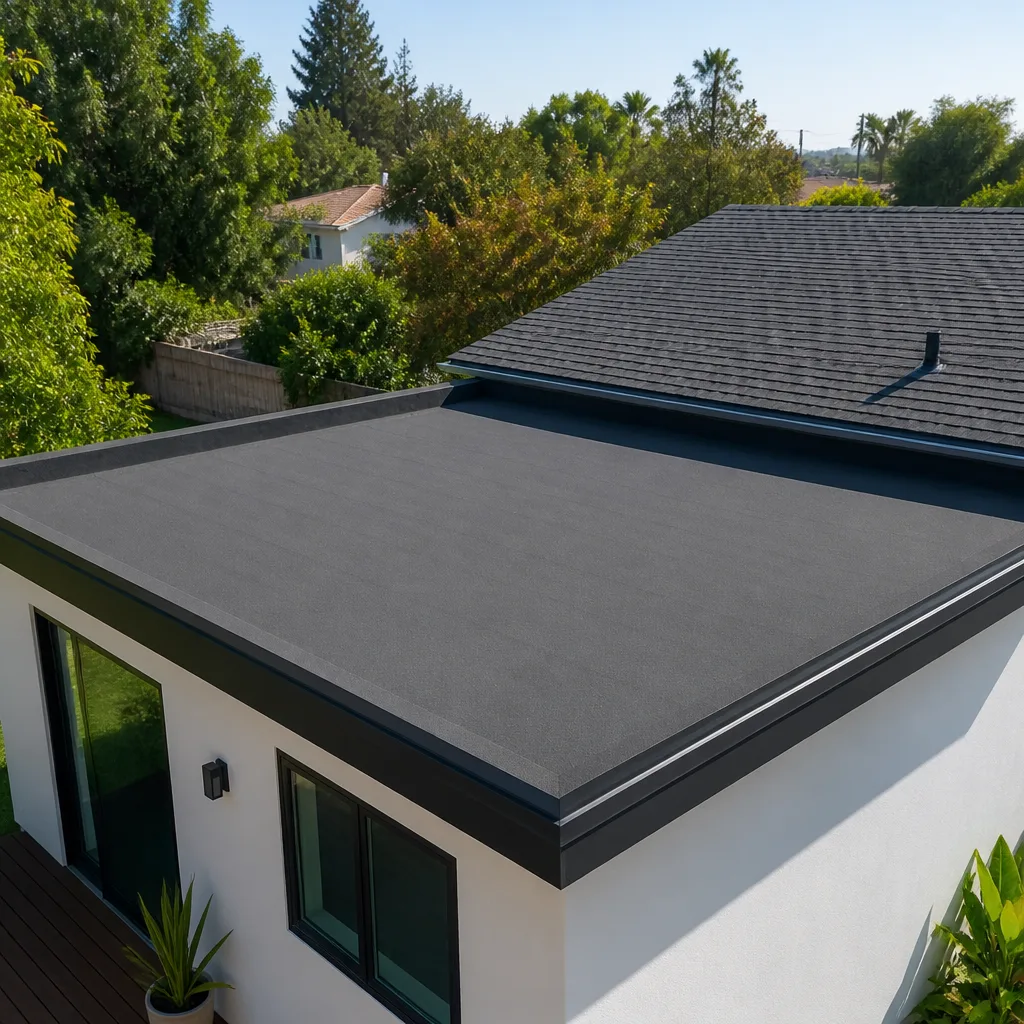 Flat & low-slope
Free roof inspection with deck photos before we talk money - GAF and Owens Corning certified installation
Roofing Cost Breakdown: The Albany Homeowner’s Reference for 2026
Two bids land on your kitchen table for the same roof. One says $11,000. The other says $15,200. Both contractors walked the same house, both promised architectural shingles, and neither number is a mistake. That gap almost always comes down to scope, not skill. One bid covers ice and water shield across the whole deck. The other covers a strip along the eaves. One includes new drip edge and a decking inspection protocol. The other reuses what’s already there and hopes it holds. This guide walks through the actual cost structure of a residential roof in Albany in 2026: material tiers per square, the labor drivers that push Albany jobs higher, the line items quietly missing from low bids, and how removal and disposal get priced. By the end you’ll be able to read a quote line by line and know what you’re really paying for.
Quick Answer
A full asphalt shingle roof replacement in Albany typically runs $9,500 to $22,000 for most single-family homes, depending on roof size, pitch, layer count, and material tier. Architectural shingles sit in the middle of that range, with premium and impact-resistant products pushing the top end up by $3,000 to $6,000 on the same roof. Labor, not material, is the largest single line on almost every Albany quote because of steep pitches, dormers, chimneys, and multi-story access. The written estimate always sets the final price.
Styles & brands we work with
- Architectural shingles
- Metal roofing
- Tile roofing
- GAF
- Owens Corning
- Flat & low-slope
Table of Contents
- What actually drives the cost of a roof in Albany?
- How much do shingles cost per square in 2026?
- Why Albany labor costs run higher than the national average
- Removal, layer count, and New York disposal rules
- The line items low bids routinely leave out
- Mid-tier vs. premium shingles: what you actually get
- How to read an Albany roofing quote line by line
- Common mistakes to avoid
- When to call a professional
- Frequently asked questions
What actually drives the cost of a roof in Albany?
Every residential roofing estimate is built from six variables, and understanding them is the difference between comparing bids and comparing apples to oranges. When you understand how each one moves the number, a quote stops looking like a single mysterious total and starts looking like a list of decisions you can question.
The six drivers, in rough order of dollar impact:
- Roof area, measured in squares. One square equals 100 square feet of finished roof surface. A typical Albany single-family home runs 18 to 30 squares once you account for pitch, overhangs, and waste.
- Pitch and complexity. A steep roof slows every step and requires different staging. Dormers, valleys, and multiple rooflines multiply the cuts and seams.
- Layer count and decking condition. Removing one layer is different work from removing two, and soft or rotted sheathing has to be replaced before anything new goes down.
- Access. Multi-story urban homes often mean staging from a driveway, a narrow side yard, or the street, which changes labor time and sometimes requires a longer reach.
- Material tier. 3-tab, architectural, and impact-resistant shingles sit at very different price points per square, and the underlayment and accessory systems vary too.
- Penetrations and flashing. Chimneys, skylights, vent stacks, and wall intersections each need their own flashing detail, and each one is a place a low bid can cut corners without you noticing.
In our experience across Albany, the homes that produce the widest bid spreads are the ones with the most complexity: older urban houses with steep main roofs, dormers, and a chimney or two in the middle of the field. That’s where scope differences get the loudest. It’s also where our inspection-first approach matters most. Start with an inspection. Know exactly what you’re dealing with before spending a dollar on repair or replacement.
How much do shingles cost per square in 2026?
Material is the most comparable part of any quote, which is exactly why it’s the easiest place to spot a low bid. Here are the three shingle tiers most commonly specified on Albany roofs, with typical installed material pricing per square for 2026. These are ranges, and the written estimate sets the final price.
| Shingle tier | Typical material cost per square | What it’s used for in Albany |
|---|---|---|
| 3-tab asphalt | $85 to $130 | Budget replacements, rental properties, low-slope-adjacent sections where a light product fits the deck |
| Architectural (dimensional) | $130 to $210 | The standard for most Albany residential replacements; thicker profile, longer warranty, better wind performance |
| Impact-resistant architectural | $190 to $310 | Homes that want added protection against impact from falling branches and debris; often requested after storm events |
Those numbers are for the shingles only. The full material package also includes underlayment, ice and water shield, drip edge, ridge cap, starter strip, nails, and ventilation components. On an Albany roof the full material package usually adds $60 to $140 per square on top of the shingle price, and it’s the part homeowners most often forget to compare between bids.
We work with seven major manufacturers so your roof gets the right material, not just the one we happen to prefer. IKO and Atlas both have strong architectural lines that hold up well in Albany’s freeze-thaw cycles, and Tamko offers solid middle-tier options for homeowners balancing longevity against budget. Boral’s synthetic and composite products become relevant when a homeowner wants the look of slate or cedar without the weight or the maintenance. Genuine material choice matters because a recommendation that’s matched to your specific roof and budget looks very different from a recommendation that’s matched to whatever a contractor happens to stock.
Why Albany labor costs run higher than the national average
Labor is the largest line item on almost every Albany residential roof quote. It also varies more between contractors than most homeowners expect, and the reasons are specific to the building stock in this region.
Albany’s older neighborhoods are full of homes built with steep main pitches and complex rooflines. A steep pitch slows the work, requires different staging, and adds time for every course of shingles. Dormers and cross gables add valleys and hips, and every valley is a place where a roofer has to take extra care to get the water detail right. Chimneys in the middle of a roof field mean flashing work on all four sides. None of these things show up as separate line items, but all of them add labor hours.
Access compounds the problem. Multi-story homes in the older parts of Albany often sit close to their neighbors, which means staging from a narrow side yard or from the street rather than a wide open driveway. That changes how material gets to the roof, how long the job takes, and sometimes whether a permit or parking consideration applies. In practice, Albany labor pricing for a moderately complex roof tends to run $380 to $580 per square, compared with the $280 to $420 per square you might see quoted in a flatter, newer market.
Removal labor is separate. Tearing off an existing roof adds roughly $90 to $180 per square depending on layer count and how well the existing layers are attached. Steep-pitch surcharges on the removal side push that toward the top of the range.
Removal, layer count, and New York disposal rules
Every square of old roofing you remove is a square of waste that has to be hauled and disposed of properly. That’s why layer count is one of the first questions any honest inspection should answer.
A single-layer removal is straightforward. Two layers take noticeably longer and generate roughly twice the debris. Some roofs in Albany have three layers, which is unusual but not unheard of, and those jobs are the most expensive to tear off. Beyond labor, the tonnage of old shingles matters because disposal is priced by weight, and asphalt shingles are heavy.
New York State regulates how construction and demolition debris gets handled, and asphalt shingles fall under those rules. A legitimate Albany roofer disposes of tear-off material through permitted waste streams, and that cost appears in the quote as a separate line. The range is typically $400 to $900 per job depending on layer count and total roof area. If a bid doesn’t mention disposal at all, either it’s baked into the per-square price or the contractor is planning to leave the debris to you, and that’s worth asking about directly.
Decking inspection is the other line item that lives in this part of the quote. Once the old shingles are off, the sheathing has to be checked for soft spots, delamination, and rot before anything new goes down. Missing or rotted sheathing gets replaced at roughly $90 to $150 per sheet of plywood or OSB, and honest contractors list this as a contingency rather than pretending it won’t come up. Fully re-sheathing a small roof is uncommon but possible, and it’s better to know the possibility exists than to discover it mid-project.
The line items low bids routinely leave out
When two bids differ by thousands of dollars on the same roof, the difference usually comes down to what one contractor quietly excluded. Here are the line items that show up missing most often, and what each one protects.
- Ice and water shield coverage. Full-deck ice and water shield costs more than a perimeter strip, but Albany’s freeze-thaw cycles are exactly the reason many roofers recommend full coverage on lower-slope sections and around penetrations. A bid that lists only a strip along the eaves may be technically compliant and still leave your home under-protected in the areas most likely to ice up.
- Drip edge replacement. Old drip edge often gets reused because it’s technically still attached. New drip edge costs a modest amount per linear foot and is a critical water-management detail at the eaves and rakes. Reusing old drip edge is a quiet way to lower a bid.
- Decking inspection protocol. Some bids don’t mention what happens if the sheathing is soft. A clean scope of work says so up front and lists the contingency price.
- Ridge vent or other ventilation component replacement. Ventilation components are a real material cost and easy to omit from a low bid.
- Chimney and skylight flashing. Flashing details are labor-intensive and often reduced to a single vague line item. Ask exactly what’s being replaced and what’s being reused.
- Permit costs. Many cities require a permit for roof replacement. If a bid doesn’t mention permits, ask who’s pulling it and who’s paying.
- Dumpster and disposal. Omitted disposal means the debris handling cost lands somewhere, and it usually lands on you.
We work with seven major manufacturers so the material package on your roof is complete, and we build the quote as a written line-item schedule so you can compare it against any other bid you’re considering. When a homeowner asks us why one bid is $4,000 lower than another on the same Albany address, the answer nearly always traces back to this list.
Mid-tier vs. premium shingles: what you actually get
Homeowners often ask whether the jump from a mid-tier architectural shingle to a premium product is worth it. The honest answer is that the difference isn’t marketing. It’s specific, and it’s worth pricing out both options on your own roof rather than choosing by default.
Mid-tier architectural shingles generally deliver a thicker profile than 3-tab, longer manufacturer warranty coverage, better wind performance, and a look that holds up well against Albany’s constant freeze-thaw cycling. Most Albany homeowners end up here, and for good reason: it’s the tier where the cost-per-year-of-life ratio is best for the typical residential roof.
Premium and impact-resistant shingles cost more up front, but the homeowner is buying three specific things:
- Higher impact resistance. The product is designed to resist denting and damage from falling branches and debris, which matters in a region with mature tree canopy over many residential roofs.
- Longer and stronger manufacturer coverage. Premium lines typically carry longer warranty terms and sometimes cover labor as well as materials. Read the actual warranty document, not the marketing summary.
- More mass in the shingle itself. A heavier shingle lays flatter, takes wind load better, and tends to hold its visual line longer on a steep Albany pitch.
What premium shingles don’t buy is a longer roof lifespan under every condition. A premium shingle installed over inadequate ice and water shield, missing drip edge, or unrepaired decking will fail sooner than a mid-tier shingle installed correctly. Material matters, but installation detail matters more. That’s the argument for starting with an inspection and a written scope of work, then choosing a material tier that fits the roof you actually have.
How to read an Albany roofing quote line by line
The skill that saves homeowners the most money on an Albany roof is simply knowing how to read a quote. A well-built estimate follows a predictable structure. Here’s the order to read it in, and what to look for at each stop.
- Scope of work. This should state exactly what’s being removed, what’s being installed, and what’s being reused. If it just says “replace roof,” ask for the detailed version.
- Square count and pitch. The square count should match the roof you have. Ask how the number was measured.
- Material specification. Manufacturer and product line should be named, not just “architectural shingles.” “Architectural” is a tier, not a product.
- Underlayment and ice and water shield. Coverage should be described with specifics: full deck, or strip along the eaves, or something in between. If it’s vague, ask.
- Accessory details. Drip edge, ridge cap, starter strip, and ventilation components should each appear or be explicitly excluded.
- Flashing scope. Which penetrations get new flashing and which get reused? Chimney, skylights, and wall intersections are the ones that matter.
- Decking contingency. A clean quote states what happens if soft sheathing is found, and at what price per sheet.
- Disposal and permits. Both should be listed with who’s responsible.
- Warranty terms. Separate the manufacturer’s material warranty from the installer’s workmanship warranty. Both matter.
- Payment schedule. The written estimate sets the final price. Ask how the deposit, progress payment, and final payment are structured.
If you’d like a second look before committing, our Jasper Roof Repair team offers a standalone inspection with no obligation to purchase roof repair or roof replacement. The inspection tells you what condition the roof is actually in, which is a very different question from what a contractor would like to sell you.
Common Mistakes to Avoid
- Comparing only the bottom-line number. Two bids on the same Albany roof can differ by thousands because they describe different scopes of work, not because one contractor is overcharging. Compare line item to line item before you compare totals.
- Assuming the cheapest bid saves money long-term. A bid that omits ice and water shield coverage or drip edge replacement on an Albany roof will cost more in the first cold season than it saved at signing. Budget for the full scope, not the low scope.
- Choosing a shingle tier before seeing the deck. The right shingle depends on the condition of the sheathing underneath. Pick material after inspection, not before.
- Accepting a bid that doesn’t list the product by manufacturer and name. “Architectural shingles” isn’t a product. Ask for the specific manufacturer and line so you know what you’re buying.
- Skipping the decking inspection contingency. A quote with no contingency either doesn’t plan to inspect, or plans to surprise you with change orders. Both are worse than an up-front contingency price.
- Ignoring the permit question. Many cities require a permit for roof replacement. Ask who pulls it and who pays, and be wary of a bid that says “no permit needed” without an explanation.
- Letting a contractor talk you into replacement without a proper inspection. Some roofs that look worn are repairable. Others look repairable and aren’t. The only way to know which one you have is to have it inspected first, before you commit to a direction.
When to Call a Professional
Some roofing issues wait. Others don’t. Call a professional when you see missing or lifted shingles after a wind event, when granule loss is visible in gutters or at downspouts, when ceiling stains or attic moisture appear, when flashing around a chimney or skylight looks compromised, or when a roof is approaching the age where the material tier starts to matter. Call when you’re buying a home in Albany and want to know exactly what the roof has left. And call when you have a quote in hand and want a second opinion on whether the scope is complete.
Jasper Roof Repair offers free estimates in Albany. Call (855) 473-7282. We answer 24/7. Fast dispatch from 7am to 7pm, Sunday through Friday. Our technicians have up to 15 years of experience, and roofing is the only trade we practice, so every conversation you have with us is about your roof and nothing else. Start with an inspection. We’ll give you the straight answer either way.
Frequently Asked Questions
A typical asphalt shingle roof replacement in Albany runs $9,500 to $22,000 for most single-family homes, with architectural shingles usually landing in the middle of that range. Steep pitch, dormers, chimneys, layer count, and material tier push the price toward the top end, and premium or impact-resistant shingles can add $3,000 to $6,000 on the same roof. Call (855) 473-7282 for an exact quote. Estimates are free.
Bids differ by thousands of dollars on the same Albany roof because the scopes of work are rarely identical. The lower bid usually omits or reduces one or more line items: ice and water shield coverage, new drip edge, flashing replacement, decking inspection protocol, or disposal. The written estimate sets the final price, so compare line items directly before comparing totals. Call (855) 473-7282 and we’ll walk through any bid you’re holding side by side.
Repair is almost always cheaper per job, but only when the roof actually warrants repair. A localized issue on a roof with life left in it should be fixed, not replaced. A roof with widespread granule loss, multiple failing areas, or sheathing damage is usually better replaced than patched. The only way to know which situation you’re in is to start with an inspection. Call (855) 473-7282 to schedule one.
Many cities require a permit for roof replacement, so ask your city’s building department directly about your address. A legitimate contractor should be able to tell you whether a permit applies, who pulls it, and who pays. If a bid is unclear on permits, that’s a question worth asking before you sign. Call (855) 473-7282 for a free estimate with the permit scope spelled out.
Premium shingles cost more up front because they’re heavier, carry longer manufacturer warranty terms, and resist impact better. On an Albany roof with tree canopy overhead, impact resistance is a real advantage. But a premium shingle installed over missing ice and water shield, reused drip edge, or unrepaired decking will fail sooner than a properly installed mid-tier shingle. Material tier matters, and installation detail matters more. Call (855) 473-7282 to price both tiers on your actual roof.
Most single-family Albany roof replacements are completed in one to two days once material is on site and staging is set, though steep pitch, complex rooflines, and multi-story access can extend the timeline. Layer count affects it too: a two-layer tear-off takes noticeably longer than a single-layer. Your written estimate should state the expected timeline for your specific roof. Call (855) 473-7282 for a free estimate and a realistic schedule.
The Bottom Line
Roofing quotes in Albany vary by thousands of dollars because homeowners are comparing scopes of work dressed up as bottom lines. The bid that wins in the short run is often the one missing ice and water shield coverage, new drip edge, a decking inspection protocol, or disposal. Material tiers matter, and so does labor, but installation detail matters more than either. Read a quote line by line before you compare totals. Ask what’s being removed, what’s being reused, and what’s priced as a contingency. Start with an inspection and a written scope, and the decision becomes much simpler. Roofing is all we do. When you’re ready, we’re ready to give you the straight answer on the roof you actually have.
Call (855) 473-7282 to schedule your free estimate. We answer 24/7. Fast dispatch from 7am to 7pm, Sunday through Friday.
Written by the team at Jasper Roof Repair.
See the difference
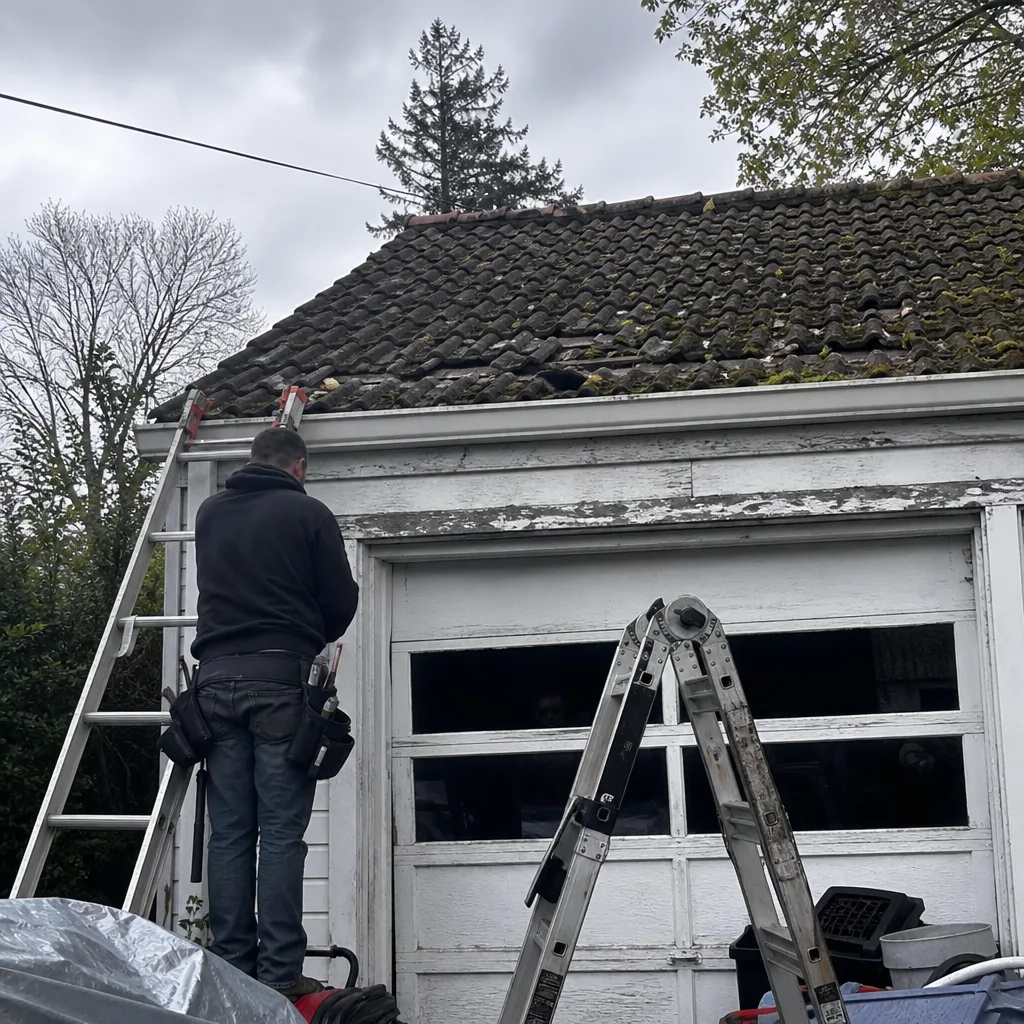 Before
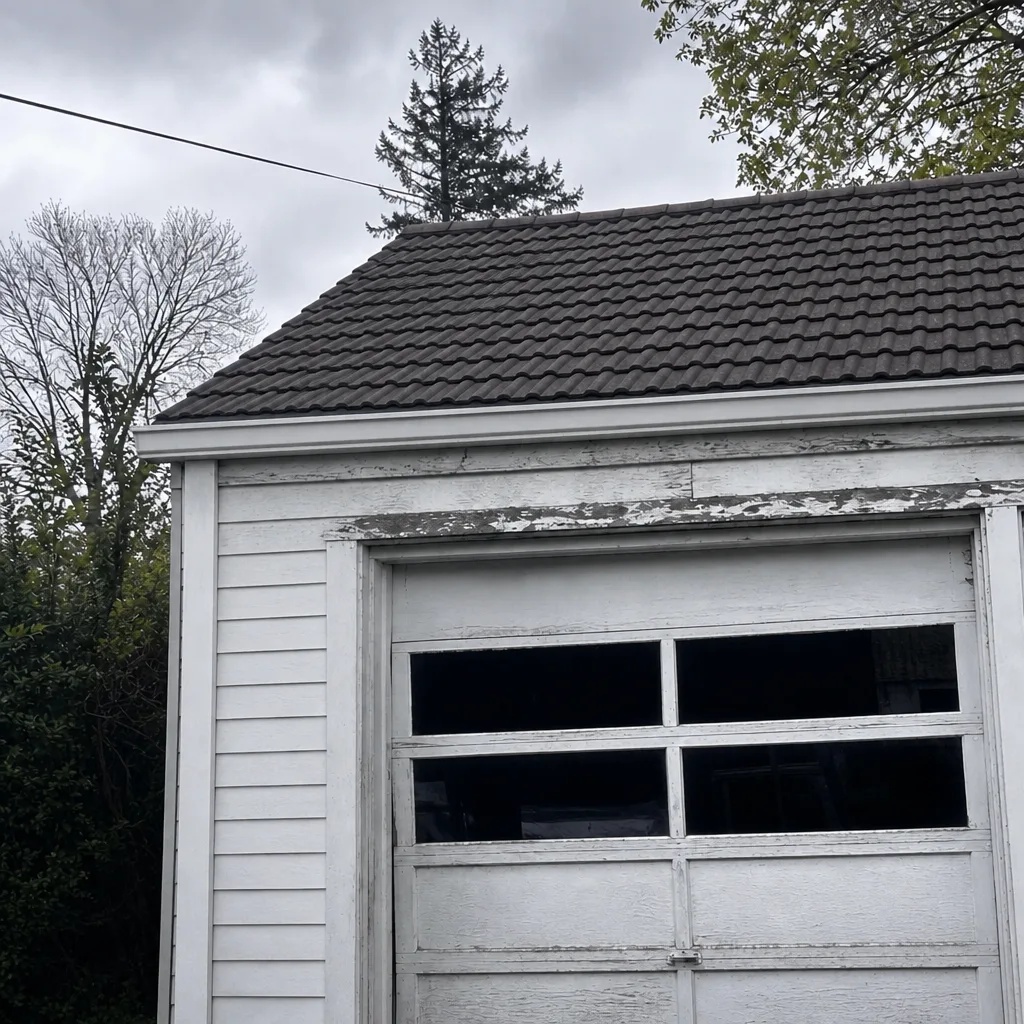 After
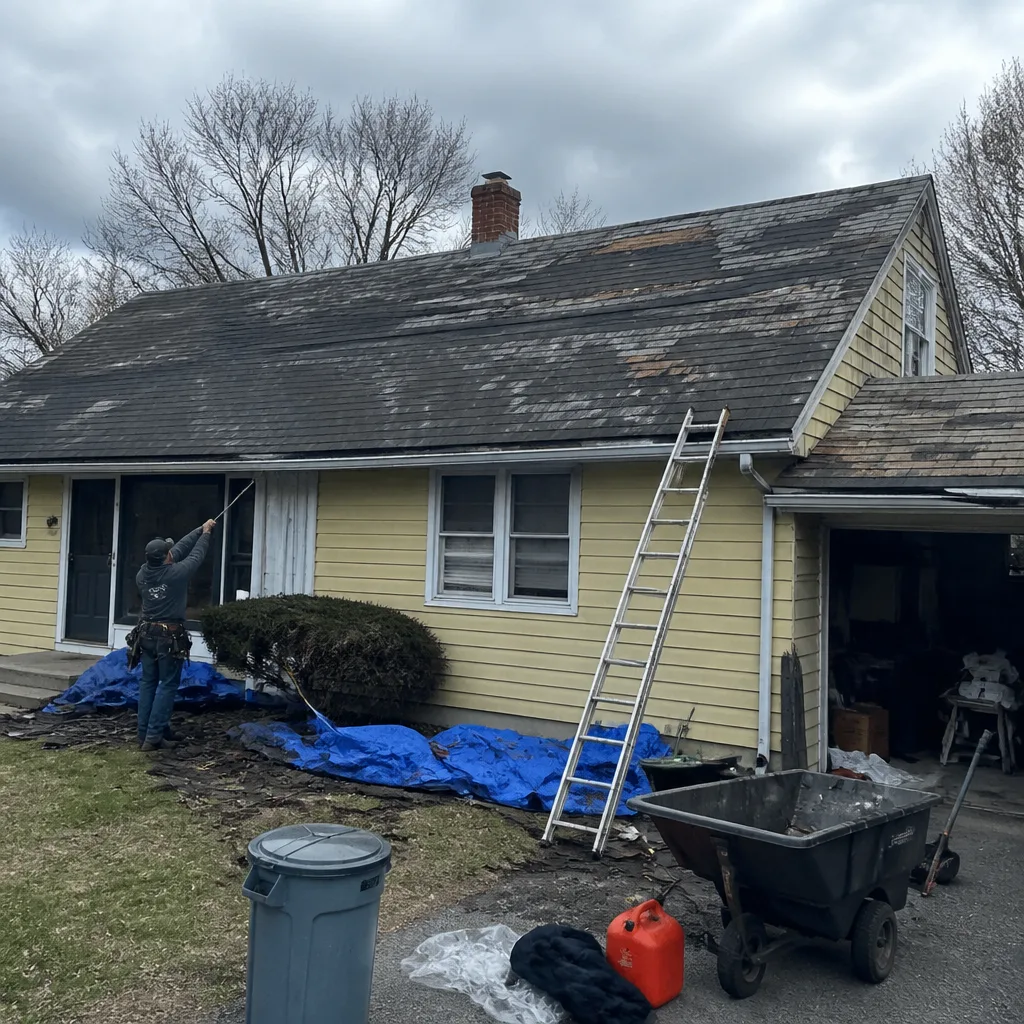 Before
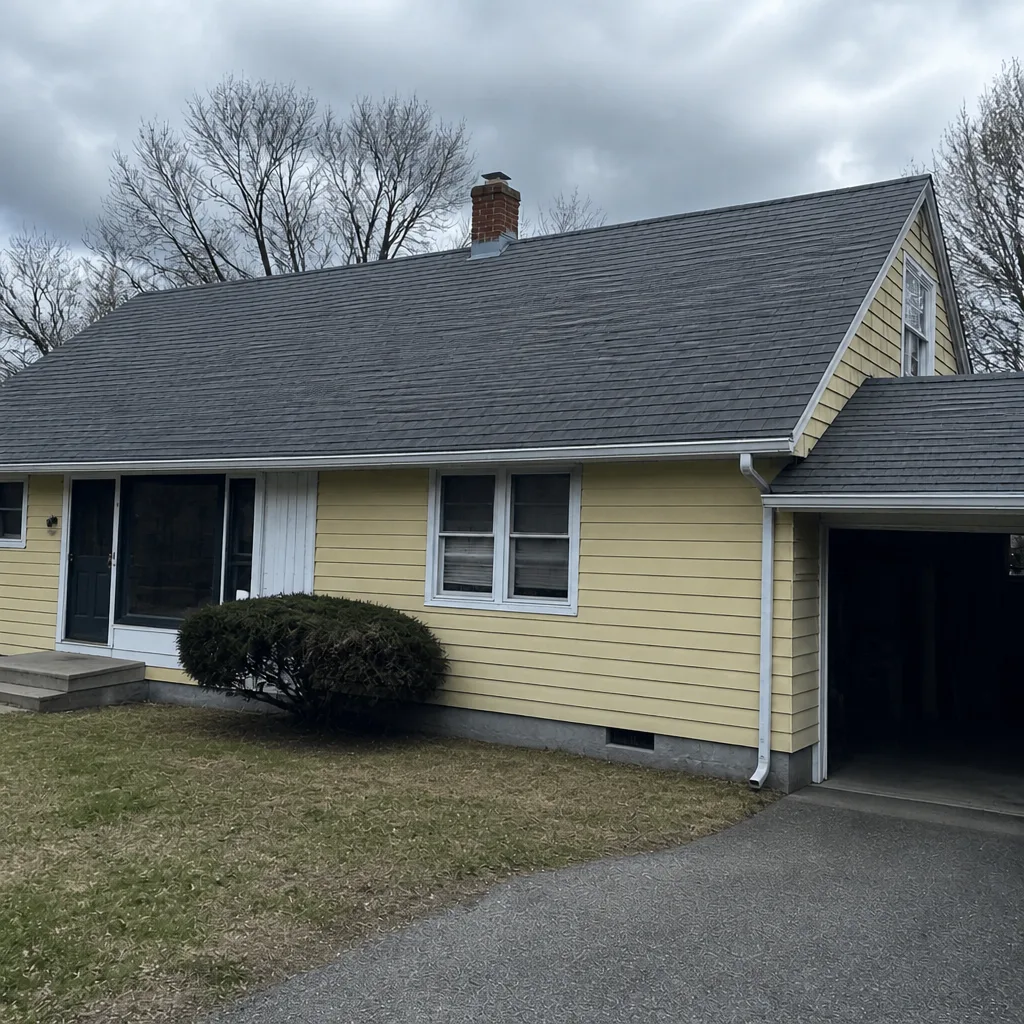 After
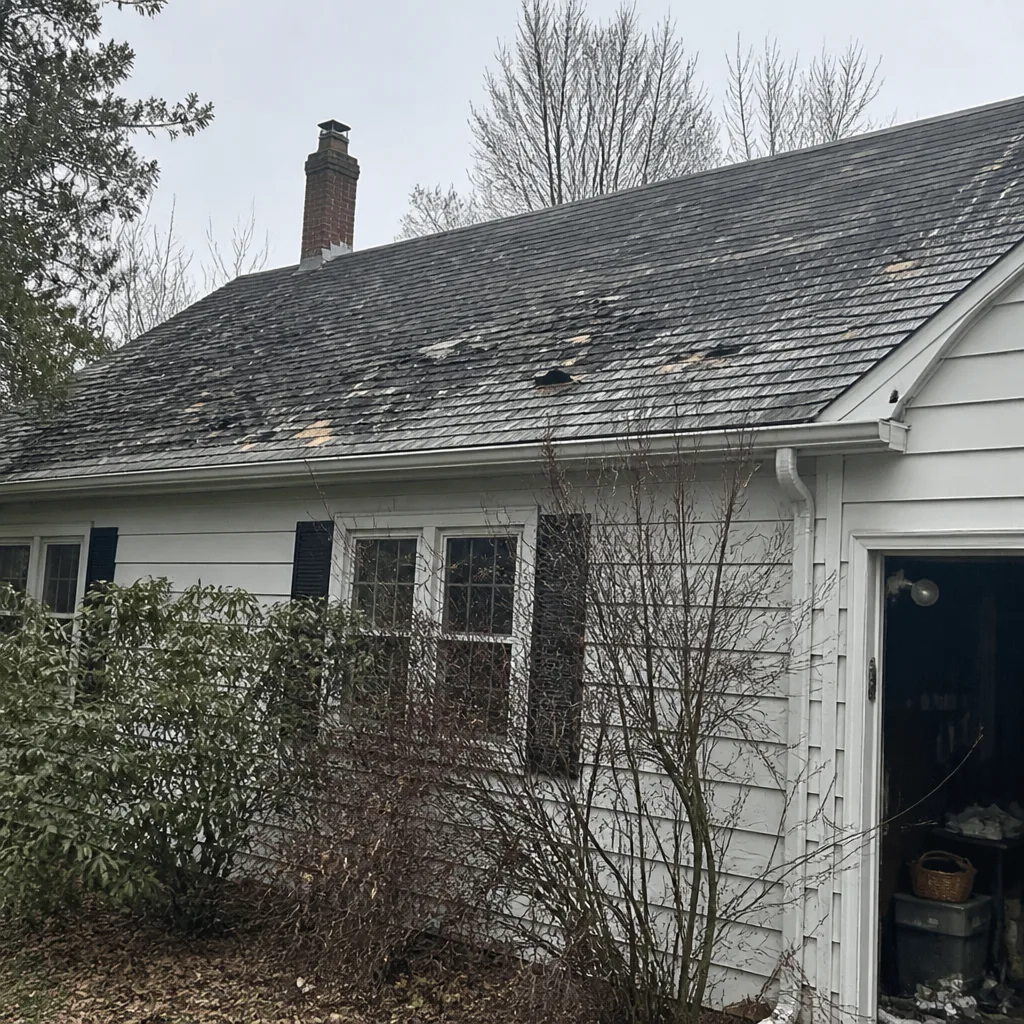 Before
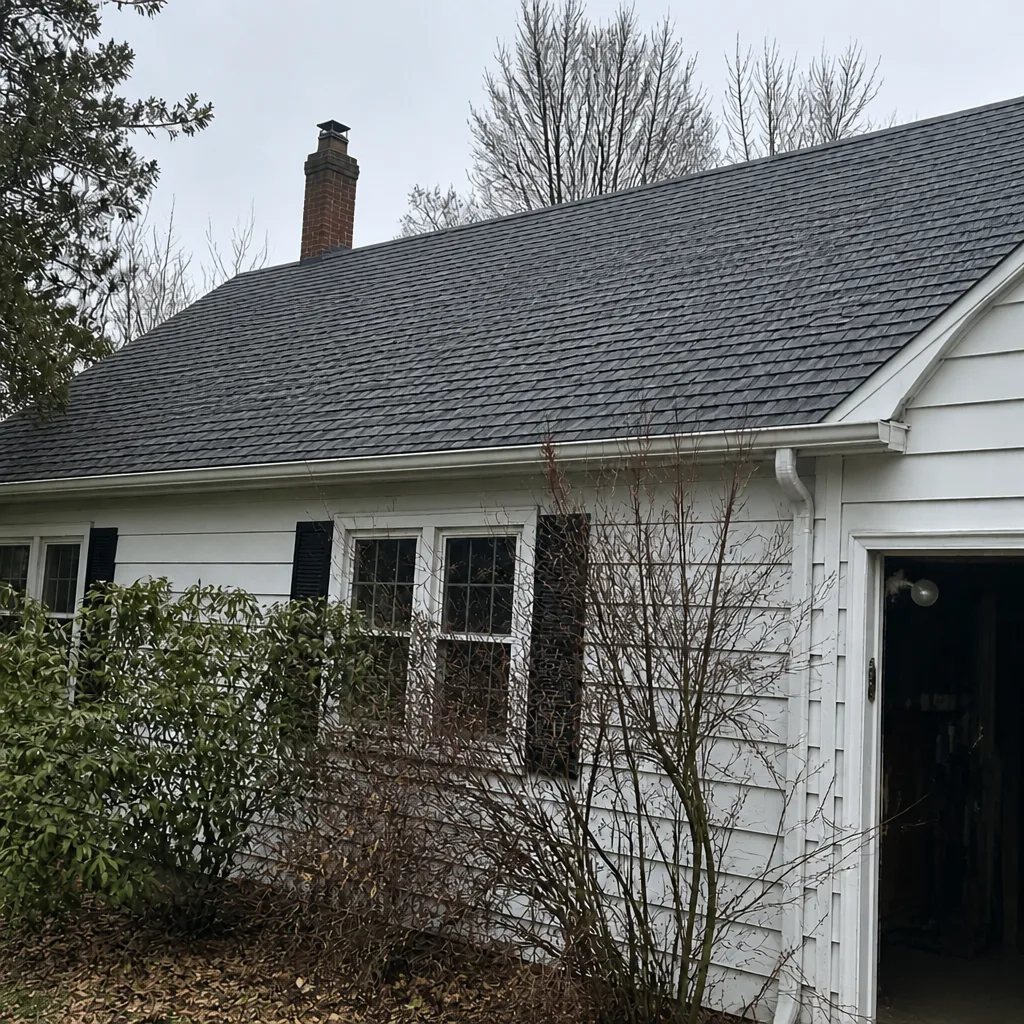 After