
Last updated November 16, 2026
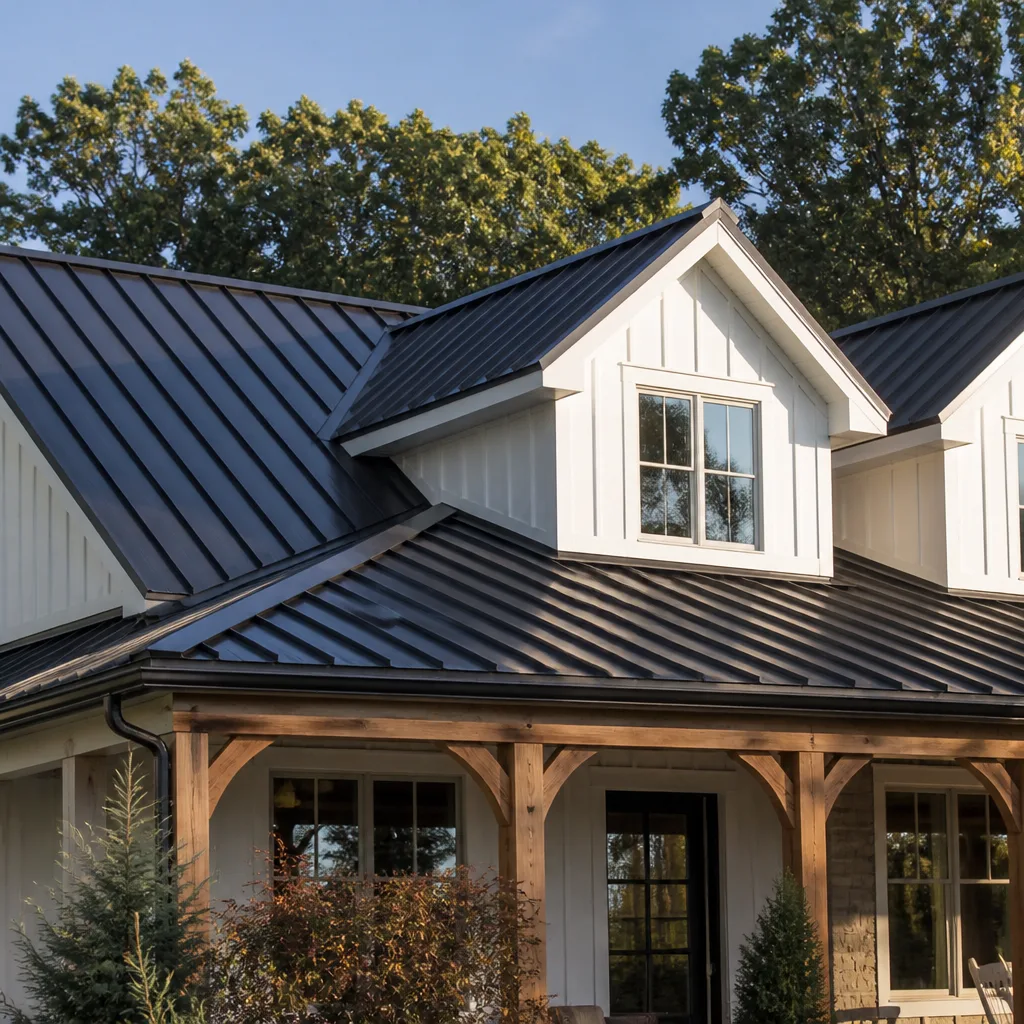 Metal roofing
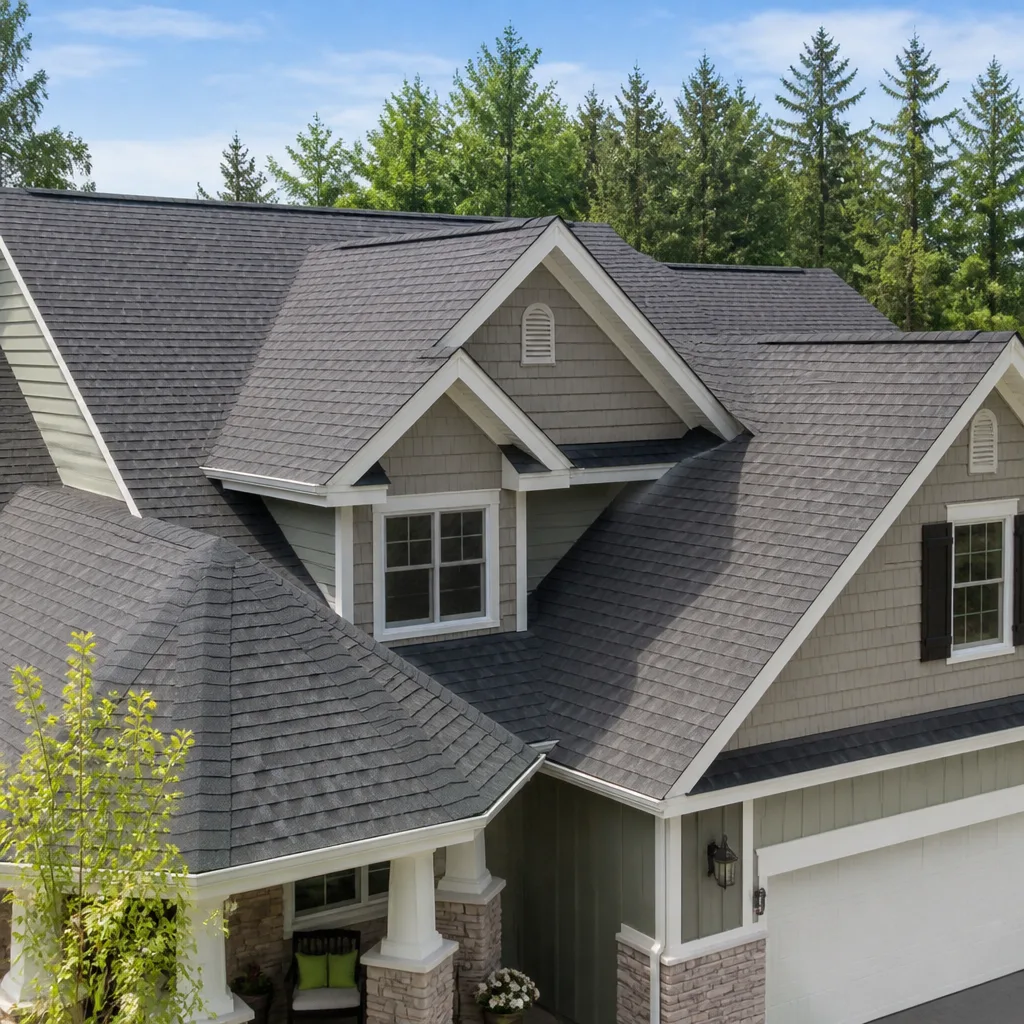 Architectural shingles
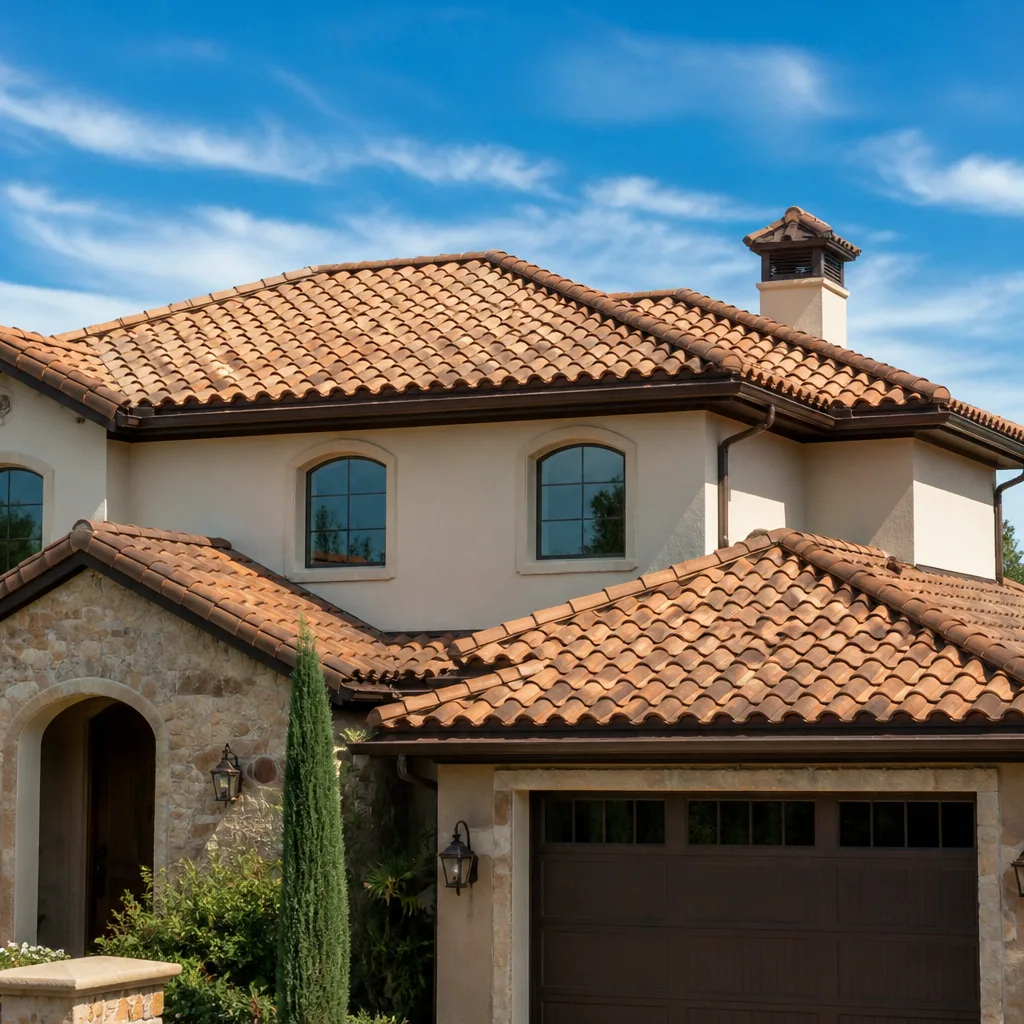 Tile roofing
 GAF
 Owens Corning
 Flat & low-slope
Free roof inspection with deck photos before we talk money - GAF and Owens Corning certified installation
Roofing Permits, Codes & Inspections in Albany, NY: What You Need to Know
Most Albany homeowners treat a roof replacement like a cosmetic upgrade. New shingles go on, the curb appeal improves, and nobody asks the city for permission. That assumption is where trouble starts. A roof is a structural assembly with a defined permit path, and when that path is skipped, the work can become the buyer’s problem at closing. Title companies flag unpermitted roofing more often than they used to, and an open permit record can stall a sale that was otherwise ready to sign. This guide walks through when Albany and New York State require a permit, what an inspection actually checks, how permit records affect insurance claims, and where the historic districts add a layer most contractors never mention.
Quick Answer
In Albany, NY, a full roof replacement requires a building permit and passing inspections; minor repairs like replacing a few shingles or patching flashing usually fall under a repair exemption, but the scope determines which side of the line you’re on. The contractor you hire is legally responsible for pulling the permit in New York State, and the homeowner carries the liability if that work is done without one. Historic district properties in Albany may also need review beyond standard code compliance.
Styles & brands we work with
- Architectural shingles
- Metal roofing
- Tile roofing
- GAF
- Owens Corning
- Flat & low-slope
Table of Contents
- When Does a Roofing Project Need a Permit in Albany?
- The Repair Exemption: Where the Line Actually Sits
- What an Albany Roofing Inspection Actually Evaluates
- How Permit Records Affect Insurance Claims After Storm Damage
- Contractor vs. Homeowner: Who Pulls the Permit in New York?
- Historic District Zoning: The Extra Layer in Albany
- The Permit and Inspection Process, Step by Step
- What the Process Costs and How Records Follow the House
When Does a Roofing Project Need a Permit in Albany?
A full roof replacement requires a building permit in Albany. So does any project that changes the roof structure, adds or alters ventilation, or replaces sheath decking beyond a small patch. A permit confirms that the work will meet the building code the city enforces and creates an inspection trail that stays attached to the property. When you plan a roof replacement, the permit is not an optional add-on; it’s part of the job.
New York State sets the base code through the Uniform Code, and the City of Albany’s building department administers it locally. Roofing work falls under this framework alongside the rest of the residential code. That means the requirements aren’t invented by your contractor, and they aren’t negotiable based on how much of the roof is being replaced.
In practice, the projects that need a permit in Albany look like this:
- Full tear-off and replacement of any residential roof, regardless of material.
- New roof covering over existing decking when the scope approaches a complete re-roof.
- Structural decking replacement beyond isolated repairs.
- Adding, relocating, or resizing roof vents, skylights, or chimneys.
- Any change to the roof’s profile, including new dormers or changes to the pitch.
The short version: if the roof stops being the same roof, expect a permit. A repair touches the roof. A replacement rebuilds it. Permit law is written to draw that distinction clearly, and the Albany building department applies it that way.
The Repair Exemption: Where the Line Actually Sits
New York State code and Albany’s local administration exempt ordinary roof repairs from permitting. Replacing a handful of damaged shingles, re-flashing a leak around a chimney, or patching a small area of decking is typically treated as maintenance, not construction. The exemption exists because otherwise a homeowner would need a permit to fix a single wind-lifted shingle, and that isn’t a workable system.
The problem is that the exemption gets stretched. A contractor might claim “it’s just a repair” to skip the permit on a job that’s really a replacement. Here’s how to spot the difference:
- Count the square footage. A patch is a defined area. If the crew is stripping the roof down to the deck across the whole house, that’s a replacement.
- Ask about the underlayment. Repair exemptions don’t typically extend to installing new underlayment across the entire roof.
- Check for material change. Switching from one shingle product to another across the whole roof is replacement work.
- Watch for decking replacement. Replacing all the plywood or OSB sheathing under the roof is structural work.
- Look at the contract language. If the paperwork says “full roof system” or “tear-off,” treat it as a replacement for permit purposes.
If you’re not sure which category your project falls into, ask the Albany building department directly before work starts. That step is free, and it prevents the whole tangle that follows an unpermitted replacement.
As a roofing specialist working across seven major manufacturers including GAF, CertainTeed, Owens Corning, IKO, Atlas, Tamko, and Boral, we see the material choice and the permit scope discussed side by side. The material doesn’t change the permit requirement, but it does affect what an inspector looks at during the final sign-off.
What an Albany Roofing Inspection Actually Evaluates
An Albany roofing inspection during the permit process checks that the installed roof meets the code it was permitted under. It is not a quality inspection in the customer-service sense. The inspector is verifying specific code-required items, and the most common failures on older Albany homes come from a predictable list.
Here’s what a typical roofing inspection evaluates:
- Decking attachment. Nail pattern, spacing, and sheathing thickness against code.
- Underlayment installation. Type and overlap as specified for the roof pitch.
- Flashing at penetrations. Chimneys, vents, skylights, and wall-to-roof intersections.
- Ventilation balance. Intake and exhaust air matching the roof assembly.
- Ice dam protection. Placement of the waterproofing membrane along the eaves, which matters in Albany’s winter climate.
- Fastener type and placement. Correct for the material and the wind zone.
- Final covering installation. Shingle pattern, starter course, and ridge ventilation.
The failures we see most often on older residential structures in Albany are flashing problems around chimneys and at wall intersections. Older homes often have masonry chimneys that were originally flashed with materials that no longer meet current code, and the replacement detail is where a crew either gets it right or gets called back.
Ice dam protection is the other recurring issue. Albany winters put snow load and freeze-thaw cycles on the eaves, and the code requires a specific membrane installation along the roofline to manage it. Inspectors check this carefully because it’s a common source of interior water damage.
How Permit Records Affect Insurance Claims After Storm Damage
A permit record can determine whether an insurance claim after a storm is paid or denied. Insurers increasingly check the permit history of a roof when a claim comes in. If the roof was replaced without a permit, the insurer may argue the work wasn’t performed to code and use that as grounds to reduce or deny a storm damage claim. The claim doesn’t have to be about the unpermitted work itself; the problem is that the underlying roof may be treated as a non-conforming assembly.
Albany sits in a region where wind, ice, and heavy snow events all generate roofing claims. That means insurers are looking closely at the roof’s documentation on many claims, not only the obvious ones. The permit record is one of the first things they pull.
The gap between permitted and unpermitted work looks like this:
- Permitted: the roof has an inspection record, a signed-off final, and a clear code basis. The insurer has a documented basis for the claim.
- Unpermitted: there’s no inspection record. The insurer may treat the roof as having unknown or unverified code status.
- Partial or open permit: work started but not signed off, which can look the same to an insurer as no permit at all.
The practical takeaway: the permit isn’t just a compliance formality. It’s the paperwork that stands behind your insurance claim if the roof is ever damaged. That’s true whether you plan a roof repair that touches a covered area or a full replacement.
Contractor vs. Homeowner: Who Pulls the Permit in New York?
In New York State, the contractor performing the work is legally responsible for obtaining the permit. The homeowner carries liability when the work is done without one. That split is the core of the confusion, because it means a contractor can promise to “handle the permit” and still leave the property owner exposed if no permit actually gets pulled.
Here’s how the responsibility breaks down in practice:
- The contractor files the application with the City of Albany building department and pays the permit fee.
- The contractor schedules inspections through the phases of work and must have a representative on site to meet the inspector.
- The homeowner signs off on the permit application at most stages, which means the homeowner has visibility into whether the permit exists.
- The homeowner is the one who lives with the consequences if the work isn’t permitted, including at resale and at claim time.
For homeowners, the practical move is to ask for the permit number before work begins and to verify it. A legitimate contractor has no problem providing that. In our experience across Albany, the contractors who get defensive about permit questions are usually the ones cutting corners.
Jasper Roof Repair is a roofing-only specialist, and our process keeps the permit question in the open from the start of every job. We work only with materials from recognized manufacturers, and our recommendations are matched to your roof and budget rather than to a single brand. Whether that leans toward Atlas or GAF, the permit scope gets settled before the first shingle goes down.
Historic District Zoning: The Extra Layer in Albany
Albany’s historic districts add a review step beyond standard building code. The building permit is still required, but if your home is in a designated historic district, the exterior changes also need to go through the review body that governs that district. That review looks at visual and character compatibility, not just structural code compliance, and it happens on a different timeline than the building inspection.
What this means for a roofing project in Albany:
- The permit process works alongside the historic review, not instead of it.
- Material and color choices matter in a way they don’t outside a historic district. Some shingle profiles are reviewed more favorably than others.
- Visible features like dormers, chimney caps, and gutter profiles may be part of the review.
- Timelines are longer. The review adds steps before the building permit can be finalized, so plan the schedule around it.
This is one of the reasons Albany roofing projects can take longer than homeowners expect when the property sits in a historic overlay. The building department path is clear; the historic review path runs on its own schedule, and the two have to line up before work begins.
Understanding the layering is part of the local knowledge that comes with working roofs in Albany. It’s also why relying on a general contractor who handles roofing on the side often goes wrong in these districts, because the review process isn’t part of their normal workflow.
The Permit and Inspection Process, Step by Step
Here’s how the process typically runs for a replacement in Albany. Timelines vary by scope and by the building department’s workload, but the sequence is consistent.
- Scope and material selection. The contractor documents the roof system and the material choice, which anchors the permit application and, in a historic district, the review submission.
- Permit application. The contractor files with the City of Albany building department. If the property is in a historic district, the historic review runs alongside this.
- Permit issued. Work cannot begin until the permit is in hand. That includes delivery of materials in many cases.
- Pre-installation inspection. Some projects require an inspector to verify the tear-off and decking condition before the new covering goes on.
- Mid-installation inspection. Where the code calls for it, an inspector verifies the underlayment and flashing before the shingles conceal them.
- Final inspection. An inspector verifies the completed roof against the permitted scope and issues the closeout. The permit is then closed.
The most commonly missed step is the mid-installation inspection. Once shingles are on, a problem with the underlayment can’t be verified without a partial tear-off. That’s why the schedule matters: the inspection is tied to the build sequence, not something that can be rescheduled after the roof is finished.
The final inspection closes the permit, which is the record that stays with the house. It’s the piece that matters later at resale and at claim time. When you work with Jasper Roof Repair, the inspection sequence is built into the work schedule from the first day.
What the Process Costs and How Records Follow the House
Roofing permit fees in Albany are set by the city and scale with the scope of work, so a full replacement carries a higher fee than a smaller permitted repair. As a rule of thumb, the permit fee is a minor part of the project budget compared to the roof material and labor. The cost of skipping the permit is where the real number lives, and it isn’t paid at permit time. It’s paid at resale, at claim time, or when a buyer’s inspector flags the unpermitted work.
Here’s what a typical permit process involves in terms of cost:
- Permit application fee paid to the City of Albany, scaled to the project scope.
- Inspection fees when the city assesses them separately from the application fee.
- Contractor time for filings and inspection attendance, which is part of the project cost.
- Historic district review fees for properties in an applicable district.
The permit record follows the house, not the contractor. That’s the point. A buyer’s title search pulls the permit history, and an open or missing permit shows up as a defect that has to be resolved before closing or priced into the sale. A roof replaced without a permit that later gets flagged during a sale negotiation can end up costing the seller more than the permit would have. Since the estimate is free and the price is set per job by the written estimate, the permit question can be settled before any money changes hands.
Common Mistakes to Avoid
- Assuming a full replacement doesn’t need a permit. It does, and treating it as cosmetic is the most common path to an unpermitted roof. The mistake gets discovered years later at resale.
- Letting the contractor say “no permit needed” without a second look. Ask the Albany building department to confirm the scope classification before work begins. A contractor’s opinion isn’t the same as a filed permit.
- Missing the mid-installation inspection. The underlayment and flashing inspection can’t be recovered once shingles are installed. If the inspection is skipped, the closeout can’t happen without tearing off material.
- Overlooking historic district review. In a designated Albany historic district, the building permit alone isn’t enough. The historic review has its own schedule and can’t be skipped for a visible material change.
- Not checking whether the permit was actually filed. A contractor can say they’ll handle it and never file. The homeowner should verify the permit number exists before the first day of work.
- Treating an open permit as fine. An open permit at resale can look the same to a buyer’s title search as no permit at all. Either way, the closing stalls.
- Ignoring the insurance implications. A storm-damaged unpermitted roof may trip a claim denial. The permit record is what the insurer checks when the damage is assessed.
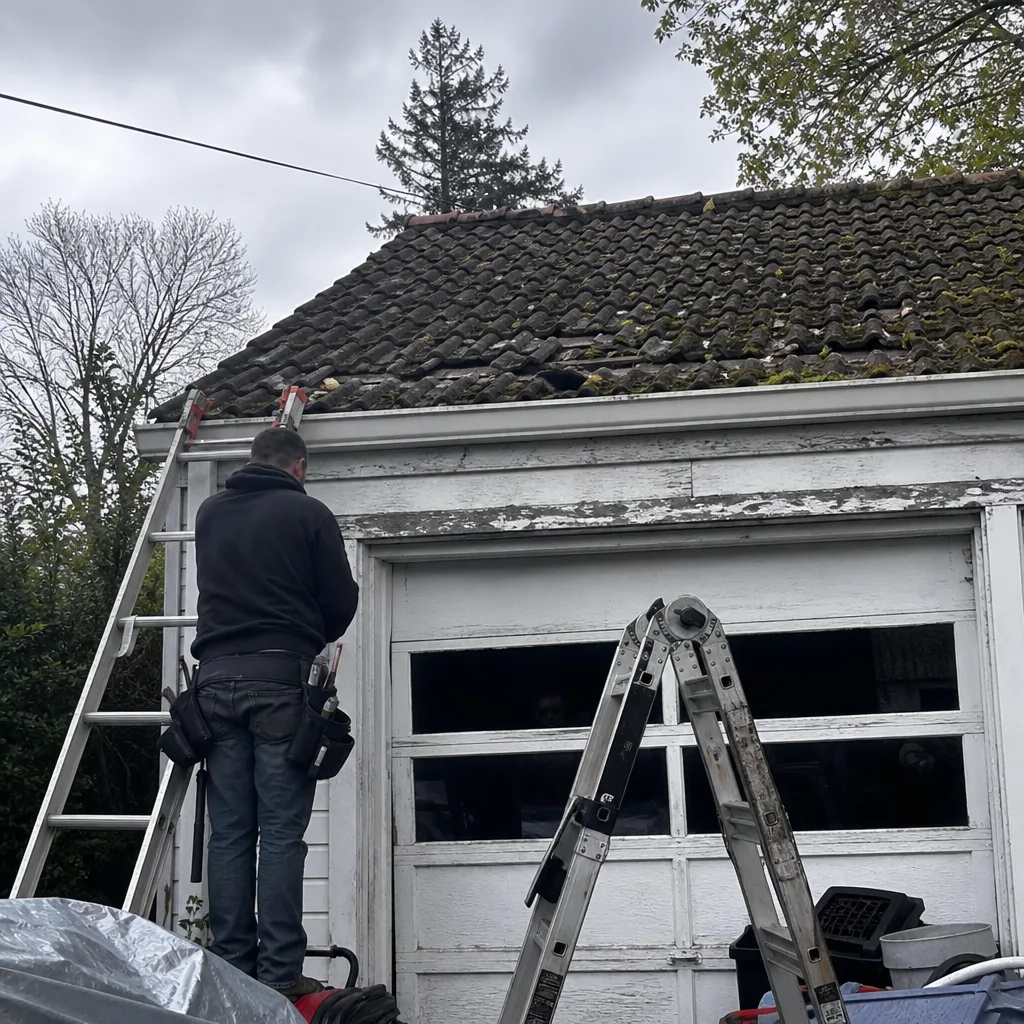
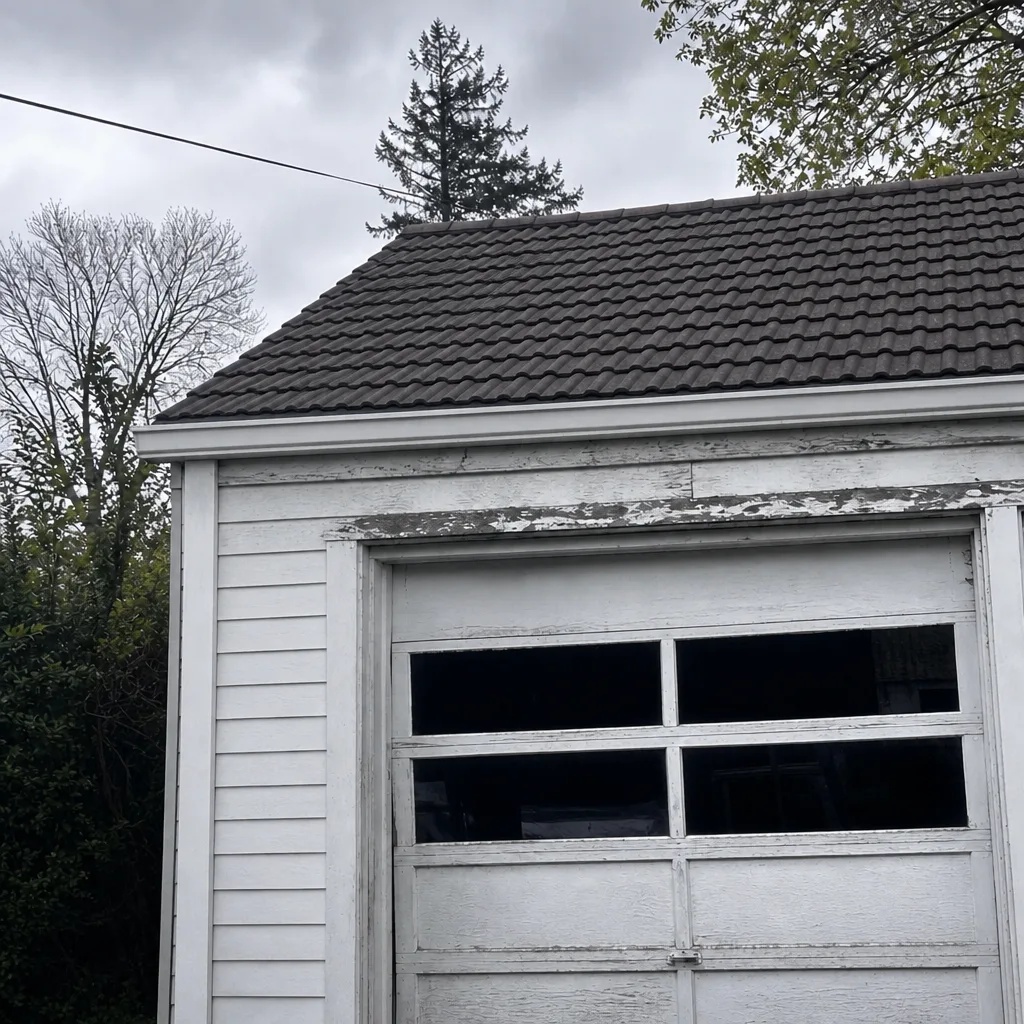
See the difference
 Before
 After
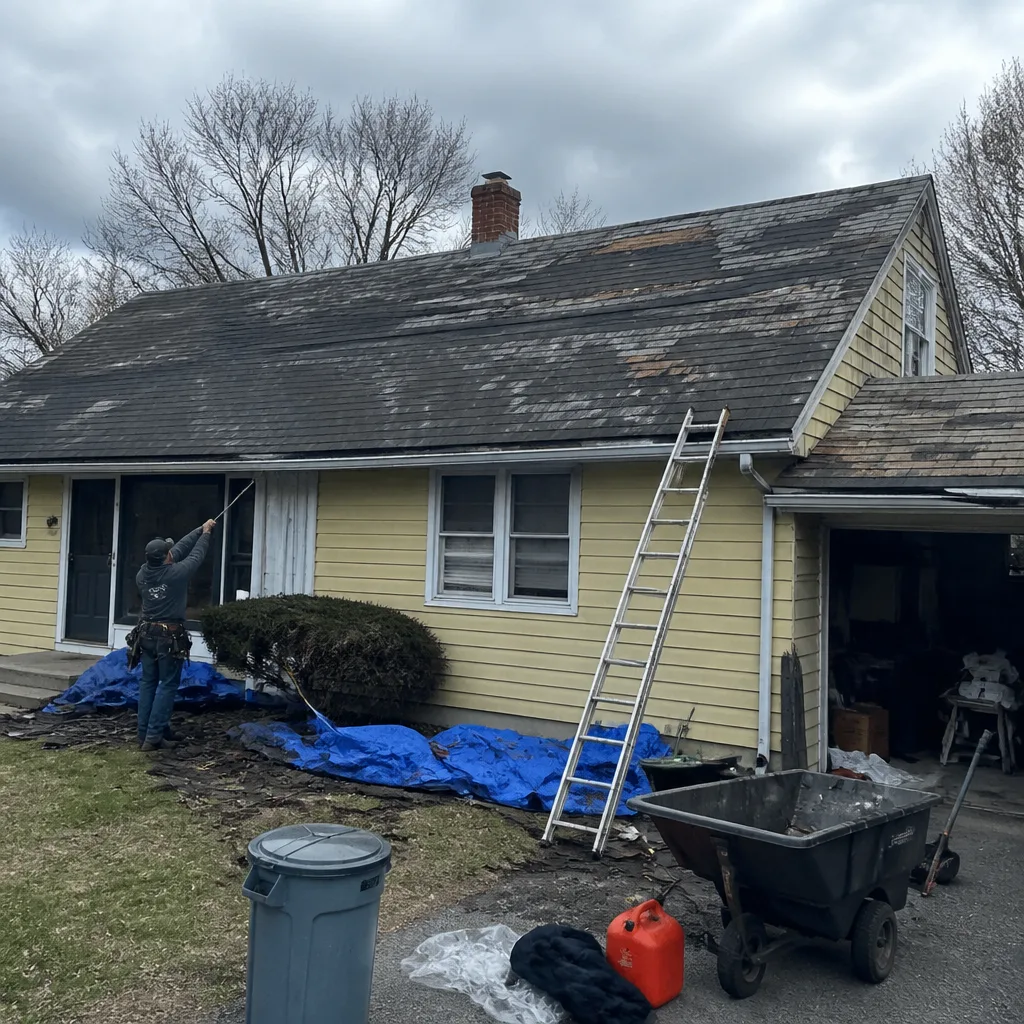 Before
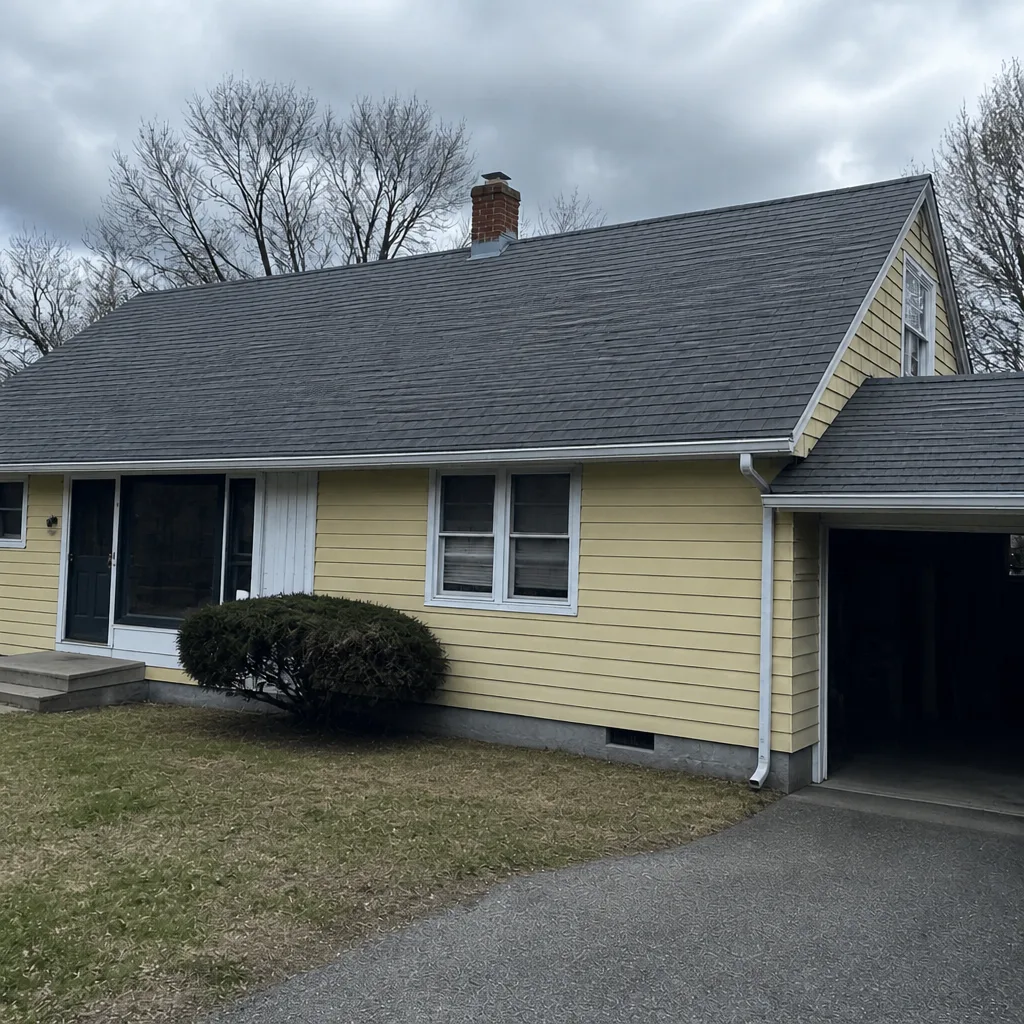 After
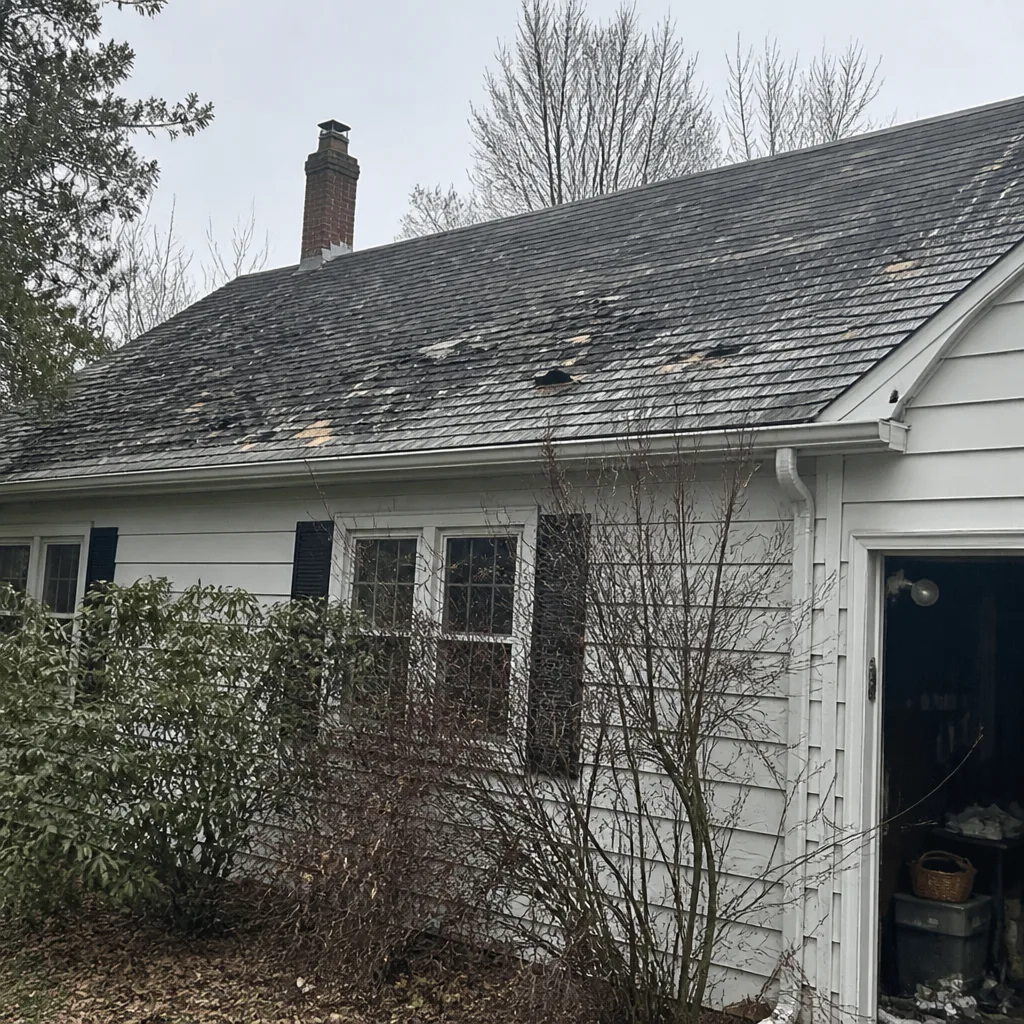 Before
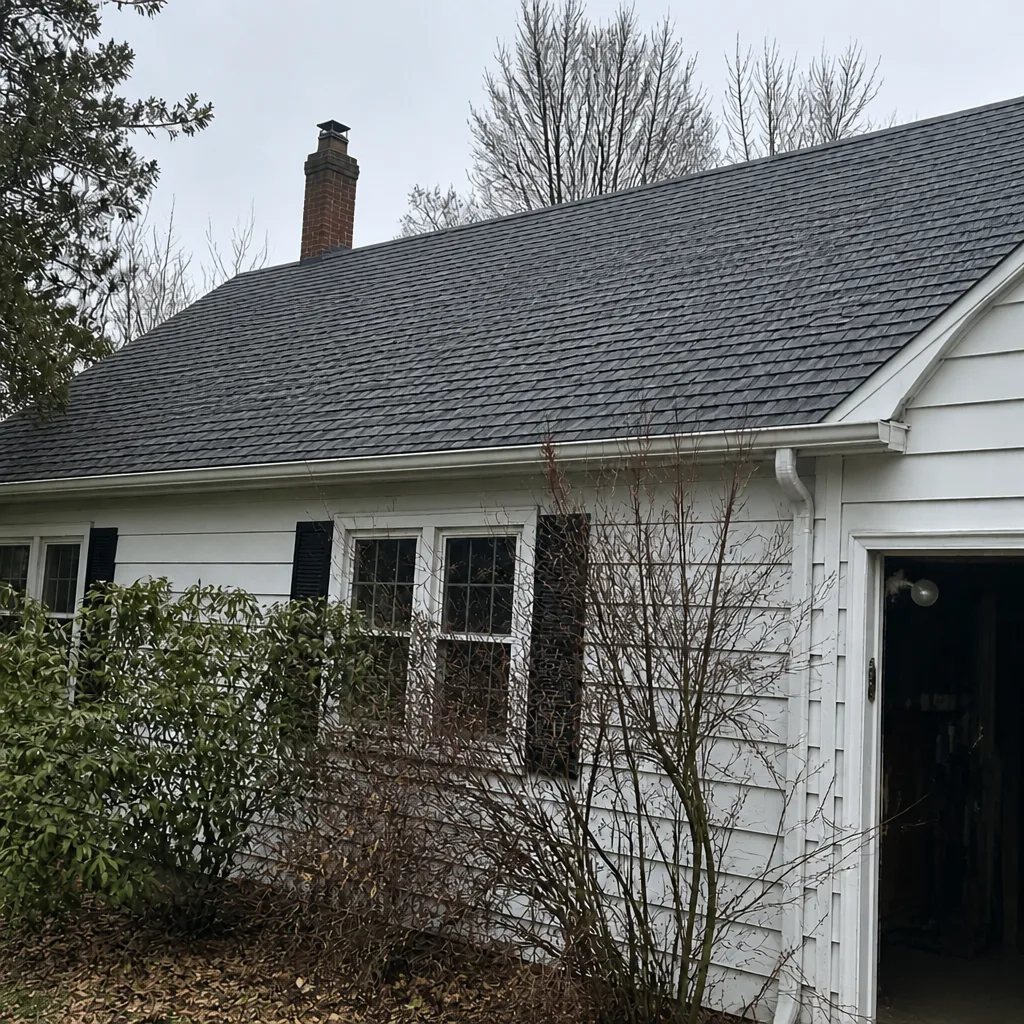 After
When to Call a Professional
Call a roofer when the scope of work is unclear, when a contractor has proposed a replacement without discussing a permit, or when a roof inspection turns up a problem you can’t categorize. Those are the moments where a specific answer matters more than a general opinion. The same goes for storm damage: an unpermitted roof that gets damaged can turn a straightforward claim into a negotiation, and the earlier that’s sorted out, the better.
Our technicians have up to 15 years of experience with Albany roofs, and our work is inspection-first: we look at the roof before recommending repair or replacement. We work with seven major manufacturers including GAF, CertainTeed, Owens Corning, IKO, Atlas, Tamko, and Boral, so your material choice reflects your roof, not a single vendor relationship.
Jasper Roof Repair offers free estimates in Albany – call (855) 473-7282. We answer 24/7, and our dispatch runs from 7am to 7pm, Sunday through Friday.
Frequently Asked Questions
Yes. A full roof replacement requires a building permit through the City of Albany, and the work must pass the required inspections. Minor repairs like patching a few shingles or re-flashing a leak usually fall under the repair exemption, so the scope of work determines which side of the line you’re on. Call (855) 473-7282 for an exact quote on your Albany roof – estimates are free.
The contractor performing the work is legally responsible for obtaining the permit in New York State. The homeowner carries the liability if the work is done without one, so verify the permit number exists before work starts. Call (855) 473-7282 to schedule a free estimate.
Yes, in some cases. Insurers check the permit history of a roof, and an unpermitted roof can be treated as having unverified code status, which gives the insurer grounds to reduce or deny a storm damage claim. Call (855) 473-7282 to get an inspection and a roof assessment before a claim issue comes up.
Yes. If your home is in a designated Albany historic district, the exterior changes go through the district’s review body in addition to the standard building permit process. The review evaluates visual and character compatibility and runs on a different schedule, so plan for longer timelines on those projects. Call (855) 473-7282 for an estimate.
An Albany roofing inspection verifies code-required items: decking attachment, underlayment type and installation, flashing at penetrations, ventilation balance, ice dam protection along the eaves, and fastener placement. The most common failures on older Albany homes are chimney flashing and wall-intersection flashing details. Call (855) 473-7282 for an inspection before you commit to a repair or replacement.
The timeline varies by scope and by the building department’s workload, and historic district review adds steps before the permit is finalized. The sequence is consistent: permit application, issue, any required pre- and mid-installation inspections, then final inspection and closeout. Call (855) 473-7282 to schedule a free estimate and get the scope settled first.
The Bottom Line
A roof replacement in Albany is a permitted construction project, not a cosmetic upgrade. The contractor is legally responsible for the permit, but the homeowner carries the liability if it’s skipped, and that liability shows up at resale, at claim time, or during a buyer’s inspection. Historic district properties add a review layer beyond the standard code process. The permit record follows the house, so it stays with the property long after the contractor has moved on. Start with an inspection, settle the scope, and let the permit path be clear before any work begins. That’s the straight answer, and it’s the one that protects the roof and the homeowner both.
Written by the team at Jasper Roof Repair.