
Last updated November 16, 2026
 Metal roofing
 Architectural shingles
 Tile roofing
 GAF
 Owens Corning
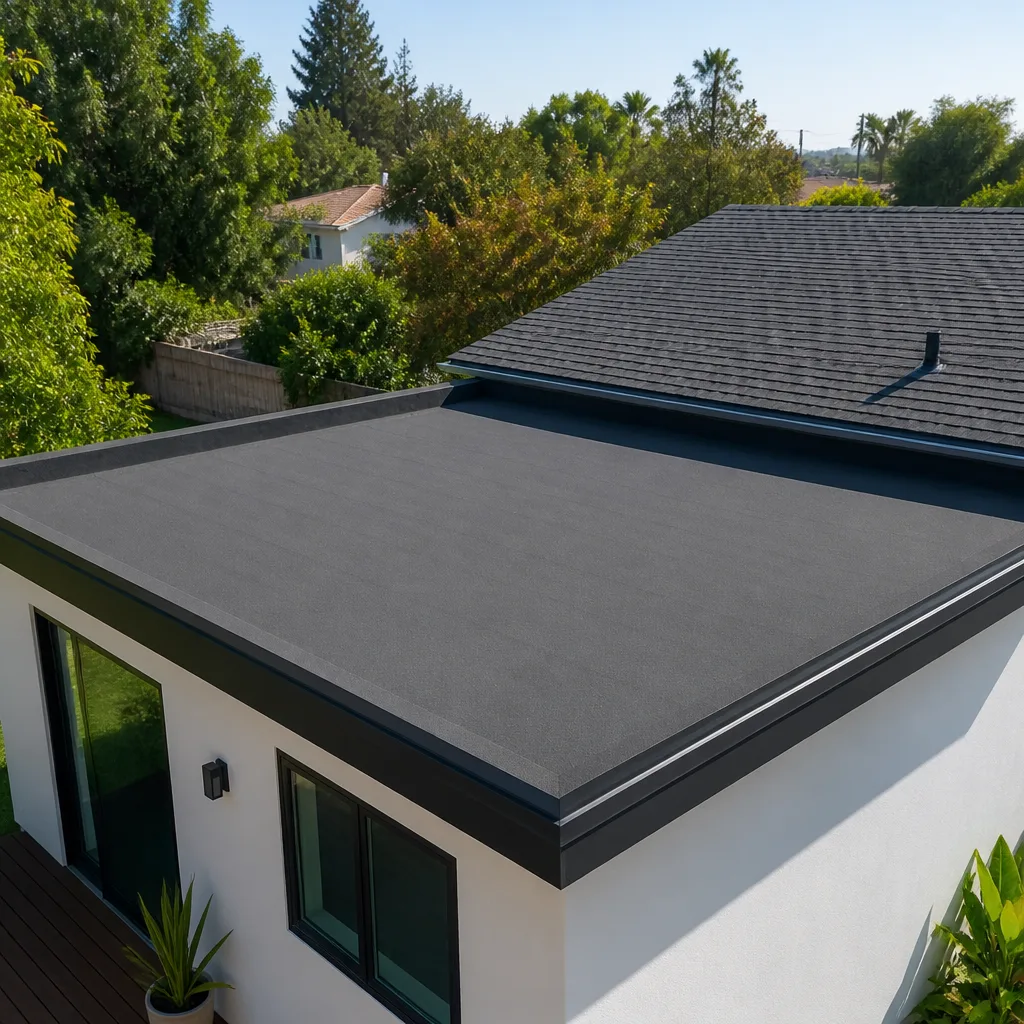 Flat & low-slope
Free roof inspection with deck photos before we talk money - GAF and Owens Corning certified installation
Seasonal Roofing Care for Albany: Year-Round Homeowner’s Guide
The leak an Albany homeowner notices in March was almost certainly created in January. That’s the part most homeowners get backwards. They treat roof care as a spring cleaning chore, something you handle once the weather turns. But in this climate, damage accumulates quietly through the coldest stretch of the year, hiding under snow and ice for weeks before it ever shows up as a brown ring on a ceiling. By the time you see interior water staining, the problem has usually been sitting there for a while. This guide maps out what actually matters in each season here, when prevention pays off, and how a simple rolling log can save you real headaches down the road.
Quick Answer
Roof care in Albany follows an uneven calendar, not an even one. The highest-return work happens in fall, when an attic ventilation check and a flashing re-seal can prevent ice dam formation before winter sets in. Late winter and early spring are when structural damage tends to accumulate, so that’s when you want to inspect carefully after the melt. Summer is the time to watch flat and low-slope roofs, which handle humidity differently than steep-pitch asphalt. Preventing damage in fall costs far less than repairing it in spring.
Styles & brands we work with
- Architectural shingles
- Metal roofing
- Tile roofing
- GAF
- Owens Corning
- Flat & low-slope
Table of Contents
- Fall: The Two Pre-Winter Tasks That Matter Most
- Winter: Managing Ice Dams Safely
- Spring: Reading the First Post-Melt Inspection
- Summer: How Humidity Treats Flat and Low-Slope Roofs
- Building a Rolling 12-Month Maintenance Log
- A Year-at-a-Glance Maintenance Timeline
- Common Mistakes to Avoid
- When to Call a Professional
Fall: The Two Pre-Winter Tasks That Matter Most
If you do only two things to your Albany roof this year, make them the attic ventilation check and the flashing re-seal. Both are inexpensive relative to what they prevent, and both directly affect whether ice dams form once the snow starts piling up. We’ve seen plenty of roofs where skipping these two items in October turned into an expensive conversation in March, so it’s worth understanding why they carry so much weight here.
Ice dams form when warm air escaping from the house heats the underside of the roof deck, melts snow near the ridge, and that meltwater refreezes at the cold eaves. The resulting ridge of ice traps water, which backs up under shingles and eventually finds its way inside. Ventilation is what keeps the roof deck cold and even. If your attic is poorly vented or your insulation is thin or compressed, the deck warms unevenly and the conditions for a dam are set before the first real snowfall.
Flashing is the other half. Metal flashing around chimneys, skylights, valleys, and where roof planes meet wall is where most leaks actually begin, and cold-season freeze-thaw cycles work those seals loose. A careful re-seal in fall closes gaps before water has a chance to work its way in and freeze.
Your Fall Checklist
- Check attic ventilation. Confirm soffit and ridge vents are open and not blocked by stored items or insulation. Look for condensation or frost on the underside of the deck on cold mornings, which signals poor airflow.
- Inspect and re-seal flashing. Look at chimney surrounds, skylight edges, valleys, and wall junctions. Cracked or lifted sealant and loose step flashing are the openings ice dams exploit.
- Clear gutters and downspouts. Full gutters hold water against the fascia and back up under the bottom course of shingles. Make sure downspouts carry water away from the foundation.
- Trim overhanging branches. Branches that touch the roof abrade shingles in wind and give squirrels and other animals a bridge onto the surface.
- Check the flashing at pipe boots. Rubber collars around plumbing vents crack as they age, and these are a common leak point that’s easy to miss.
None of this requires a contractor if you’re comfortable on a ladder and can see the roof safely from the ground or from a window. If you can’t see a section, or you’re not comfortable up there, that’s exactly the situation where a professional Jasper Roof Repair inspection makes sense before winter closes in.
Winter: Managing Ice Dams Safely
When an ice dam forms, the instinct is to get up there and break it off. That instinct can be dangerous, and it can also void a roof’s remaining life in a hurry. The safe homeowner approach is limited and gentle: address the symptom from the ground and inside the house, and call a professional when the situation calls for physical intervention on the roof itself.
What you can reasonably do as a homeowner is keep the lower edge of the roof and the gutters clear of snow using a roof rake from the ground, never from a ladder on ice. Don’t stand on a snowy or icy roof. Focus on the bottom few feet near the eaves, since that’s where the dam forms. If you can safely reach an interior ceiling or attic space, watch for water staining and move anything valuable out of the way if water starts coming through. Opening an attic window or running a fan can help move warm, moist air out, which slows the melting and refreezing cycle at the eaves.
What you should not do is more important. Never chip at ice with an axe, hammer, or ice pick. Shingles crack, granules shear off, and the mat underneath gets punctured. Never pour hot water on the roof to melt a channel; the sudden temperature change can crack shingles and it simply refreezes downstream. And never climb onto a partially snow-covered roof to “check things out.” Falls are the real danger here, and a wet or icy surface offers no traction. If snow is deep, if the dam is large, or if water is already coming inside, that’s the point to step back and bring in a trained professional who can remove snow safely and assess what the melt has done underneath.
One thing worth understanding about the Albany winter: shingle damage from a hard ice dam often doesn’t show up until the thaw, so the true cost of a bad winter is usually a spring repair, not a winter one. Getting the cause addressed early limits that spring bill.
Spring: Reading the First Post-Melt Inspection
The first warm stretch after the melt is the single most useful inspection window of the year. Winter damage is finally visible, and the warm, mostly dry weather means you can see shingles, flashing, and gutters clearly for the first time in months. What you’re looking for in that first pass tells you what kind of year your roof is about to have.
Start with the gutters, and specifically with what’s collected in them. Granules from asphalt shingles are designed to protect the mat underneath from sun and weather. They wear off slowly with age, and some granule loss is normal over the life of a roof. But when a gutter is loaded with granules, especially coarse, fresh-looking granules rather than fine sediment, that’s a leading indicator that your shingles are aging faster than they should. This is often a sign of a roof near or past the end of its service life, and it’s worth catching before it turns into a leak.
What to Look for in the First Post-Melt Inspection
- Granule accumulation in gutters. Coarse granules at the bottom of a downspout or in the gutter bed are a signal, not a cosmetic issue. Heavy loss often means the shingles are nearing the end of their life.
- Lifted or torn shingles. Look for shingles that have lost their seal or torn at the tabs, particularly on south and west-facing slopes that take the most sun.
- Missing or worn flashing. Check the same places you sealed in fall: chimney, skylights, valleys, wall junctions. Winter freeze-thaw often reopens what was sealed.
- Water stains on ceilings or in the attic. Brown rings, drip marks, or soft spots on the sheathing indicate water reached the deck.
- Loose or bent flashing at pipe boots. These small rubber and metal collars around plumbing vents are a frequent source of leaks that show up in spring.
- Sagging or soft spots along the roofline. This can mean water has soaked into the sheathing or framing and warrants a closer look.
If any of this raises a question, a roof repair evaluation before summer storms hit is the smart move in Albany, because catching a small breach now is far cheaper than dealing with interior water damage and sheathing rot later.
Summer: How Humidity Treats Flat and Low-Slope Roofs
Albany summers bring warm, humid air, and humidity doesn’t affect every roof the same way. On a steep-pitch asphalt shingle roof, water drains quickly and the material manages moisture well as long as the roof is intact. On flat and low-slope roofs, which use membranes or built-up systems rather than overlapping shingles, the dynamics are different. Water sits longer, seams are the weak points, and humid air can drive moisture into small openings that then can’t dry out easily.
The practical implication is that summer is the season to watch flat and low-slope surfaces closely. Ponding water after a rain is worth paying attention to: if water lingers for more than a day or two on a flat roof, that’s a drainage issue, and pooled water finds its way into seams. Repeated wetting and slow drying also softens sealant at membrane joints and around penetrations, so seams that looked fine in spring can develop small openings by August.
Steep-pitch asphalt roofs need less attention in summer, but they’re not maintenance-free. High sun accelerates the aging of whichever slopes face south and west most directly, and the heat can make sealed shingle tabs lift over time. Checking those sun-baked slopes for curling and lifted tabs is a quick task that buys you a heads-up.
Summer Checklist for Flat and Low-Slope Roofs
- Look for ponding after summer rain. Standing water is a drainage problem, and drainage problems are leak problems.
- Check seams and joints for separation, bubbling, or lifted edges around penetrations.
- Look at the roof edges for blistering or soft spots, which can indicate trapped moisture.
- On steep-pitch asphalt, check the sun-facing slopes for curling, cracking, or lifted tabs.
- Clear debris from any drains, scuppers, or roof-edge channels that can clog and cause ponding.
When you do need material work during the warm season, the brand matters less than matching the material to the roof. For flat and low-slope systems, Boral is one of the manufacturers whose products come up; for asphalt, GAF, CertainTeed, Owens Corning, and IKO all make systems that behave differently under heat and humidity. Matching the product to the specific surface and exposure is the kind of call a roofing specialist makes.
Building a Rolling 12-Month Maintenance Log
A maintenance log is the least glamorous part of roof care, and the most valuable document you’ll ever keep for your house. Think of it as a running record you update season by season: what you checked, what you found, what got fixed, and what you’re watching for next. Over a couple of years it becomes a genuine history of the roof that a future owner or an insurer will value.
The value shows up in two specific situations. First, an insurance claim. If a storm does visible damage and you need to file, a log that shows regular inspection, professional work, and pre-existing observations gives you a clear timeline. Insurers care about the difference between storm damage and a failure that built up over time, and a good log makes that distinction easy to demonstrate. Second, a future sale. Many buyers want to know the roof’s age, history, and condition, and sellers who can hand over clean documentation avoid the awkwardness of an unverifiable “the roof is fine.”
How to Build the Log
- Set up one page per season. Write the date and a short description of what you checked.
- Record observations in plain language. “Granule accumulation in rear gutter” is more useful than “checked gutters.”
- Keep receipts and written estimates for any work. Photograph the finished work where you can.
- Note what was repaired and by whom but leave out personal details. A neutral record is more professional.
- Note anything you’re monitoring but haven’t fixed yet. A line about a loose flashing you flagged in fall and re-checked later shows diligence.
- Keep the log with your home records. A binder or a shared digital document both work. Just make sure it survives.
A short log entry at each of the seasonal checkpoints above, done consistently, is the whole method. You don’t need a fancy template; a simple numbered record is enough. That habit is what turns scattered home maintenance into documented history.
A Year-at-a-Glance Maintenance Timeline
Here’s the seasonal rhythm compiled into a single list you can stick to the fridge. The idea is that each season’s work sets up the next, so the year runs as a cycle rather than a scramble.
- Fall (September to November). Attic ventilation check, flashing re-seal, gutter clearing, branch trimming. This is the highest-return window of the year because it directly reduces ice dam risk.
- Winter (December to February). Watch for ice dams. Keep the eaves clear with a roof rake from the ground. Monitor ceiling and attic for staining. Call a professional for on-roof intervention.
- Spring (March to May). First post-melt inspection. Check gutters for granule loss, look for lifted shingles and flashing wear, watch for interior water stains.
- Summer (June to August). Close attention to flat and low-slope roofs. Look for ponding, seam separation, and drain clogs. On steep asphalt, check sun-facing slopes for curling and lifted tabs.
- Continuous. Maintain the rolling log every season so the record stays current.
That’s the whole structure. It’s not a long list, but the order matters, because the fall work prevents the winter problem, and the spring inspection catches what the winter left behind.
Common Mistakes to Avoid
- Waiting until you see a ceiling stain to inspect. In Albany, water that reaches the interior has usually been sitting in the assembly for weeks or months. By the time it shows, the sheathing may already be wet.
- Skipping the attic ventilation check in fall. Ventilation is the hidden variable in ice dam formation. Without a proper check, you can’t tell whether your roof will generate dams or not.
- Chipping ice off the roof with a tool. That’s how shingles get cracked and how people fall. Use a roof rake from the ground, or call a pro.
- Treating gutter granules as a cosmetic problem. Coarse granules in the gutters are a genuine signal that the shingles are aging. Ignoring them just delays a necessary conversation.
- Assuming all roofs behave like steep-pitch asphalt. Flat and low-slope membranes handle water and humidity completely differently. Applying asphalt shingle logic to them leads to missed problems.
- Not keeping a written maintenance log. The homeowner who has clear records is the one who can make a clean insurance claim or sale disclosure. No records means guessing.
- Skipping the spring post-melt inspection. It’s the best inspection window of the year. Missing it means you find out about winter damage in the middle of a summer storm instead.
When to Call a Professional
There are times when a homeowner’s careful seasonal routine isn’t enough, and knowing the difference is what saves you money. Call a professional when water is actively coming into the house, when an ice dam is large enough that managing it safely yourself is off the table, or when you’re unsure whether the problem is a small repair or something more serious underneath. Call when you see soft spots or sagging in the deck, when gutter granule loss is heavy and consistent, or when you’re making a major decision like a purchase or a sale and need an honest read on the roof’s condition.
The right approach in every one of these situations is to start with an inspection and get the facts before spending money on repair or replacement. Jasper Roof Repair offers free estimates in Albany – call (855) 473-7282 to schedule yours. We answer 24/7, with fast dispatch from 7am to 7pm, Sunday through Friday. An inspection comes first, so you know exactly what you’re dealing with before any money changes hands.
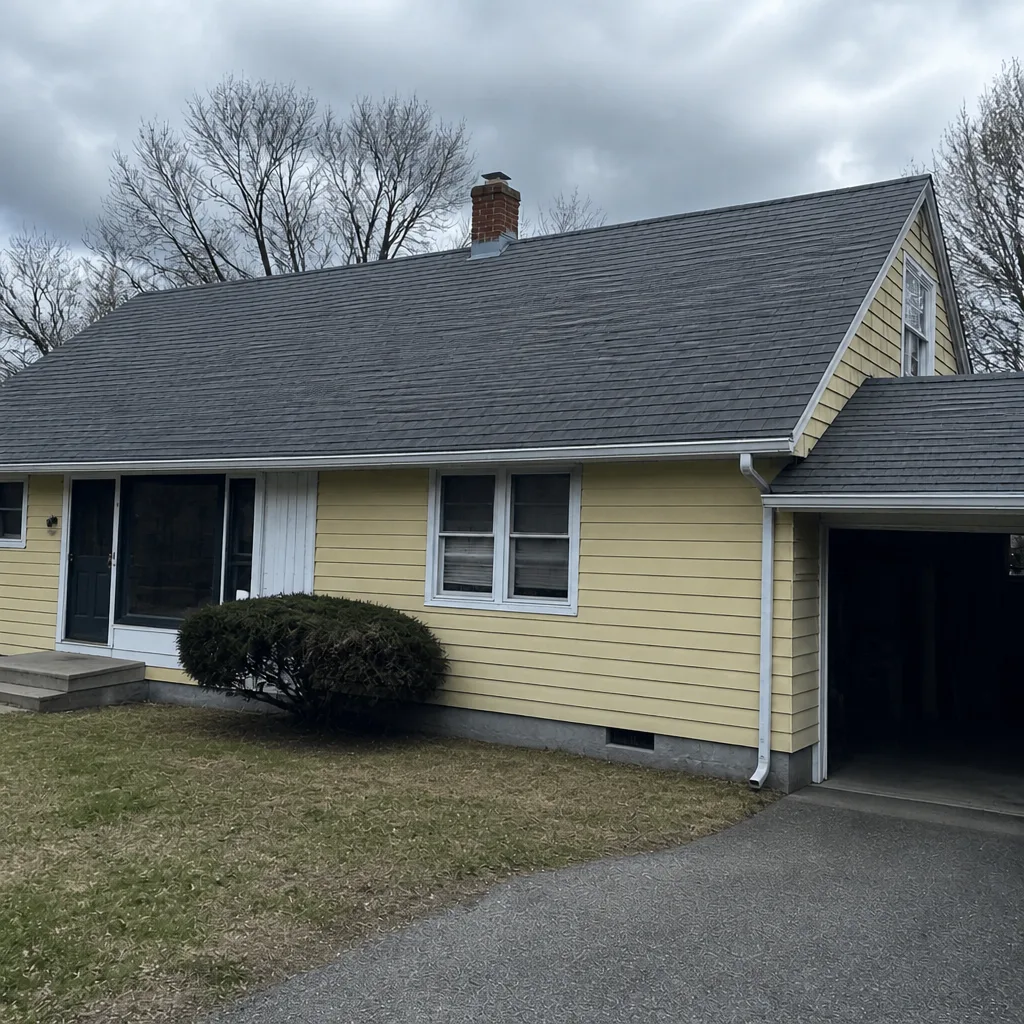
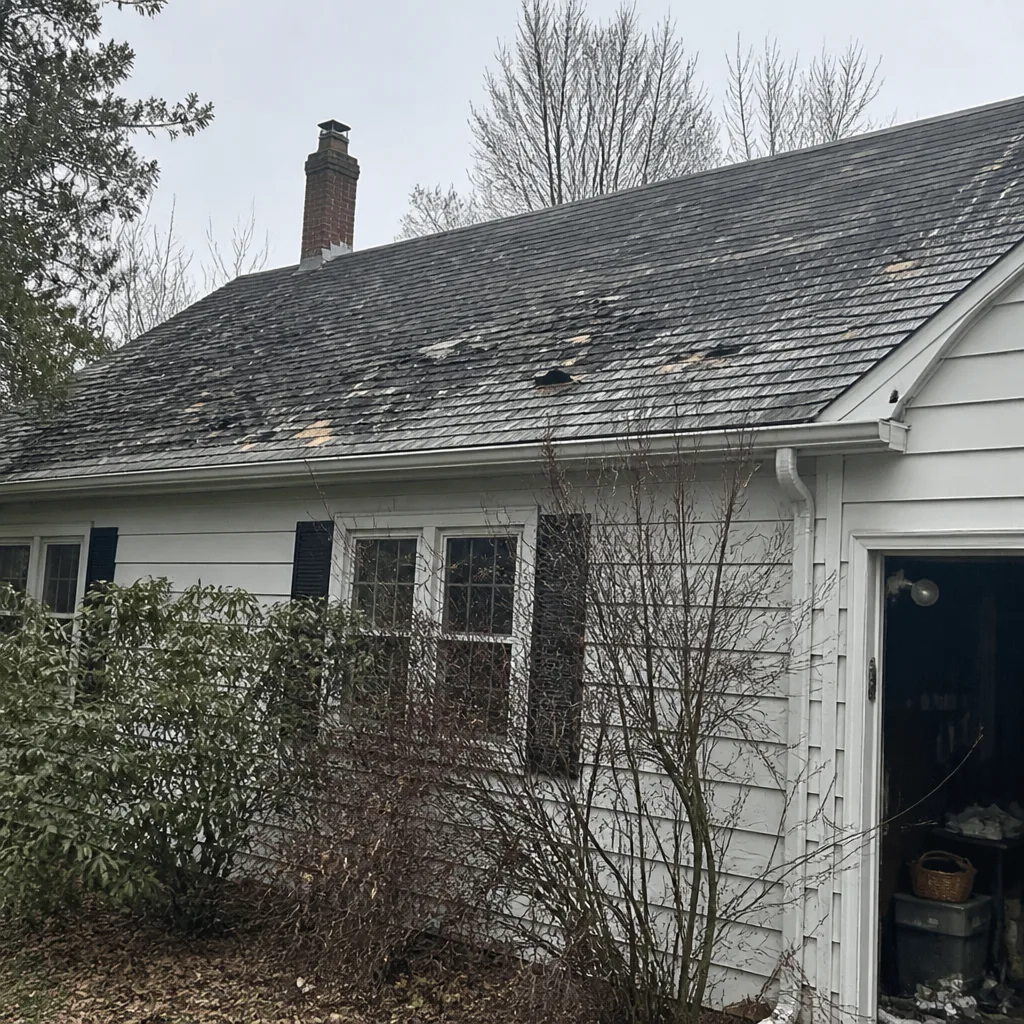
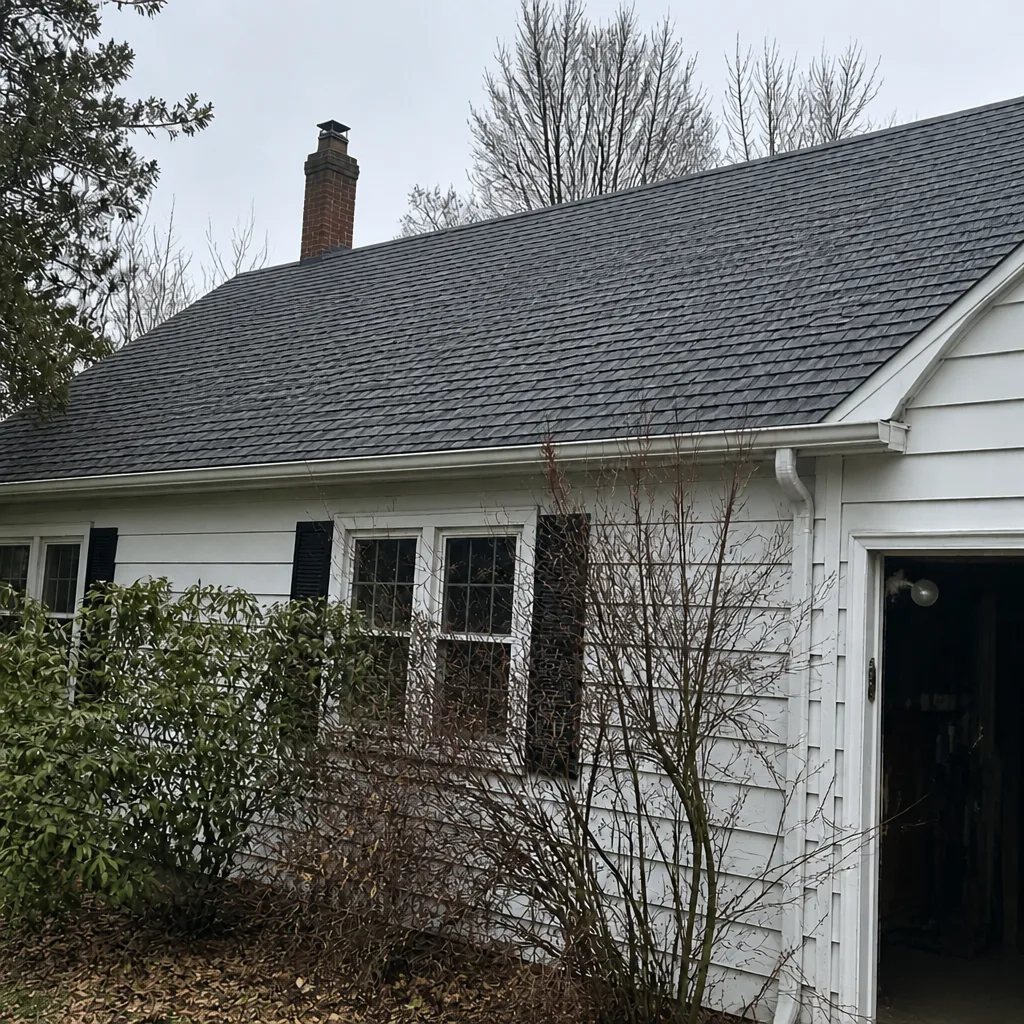
See the difference
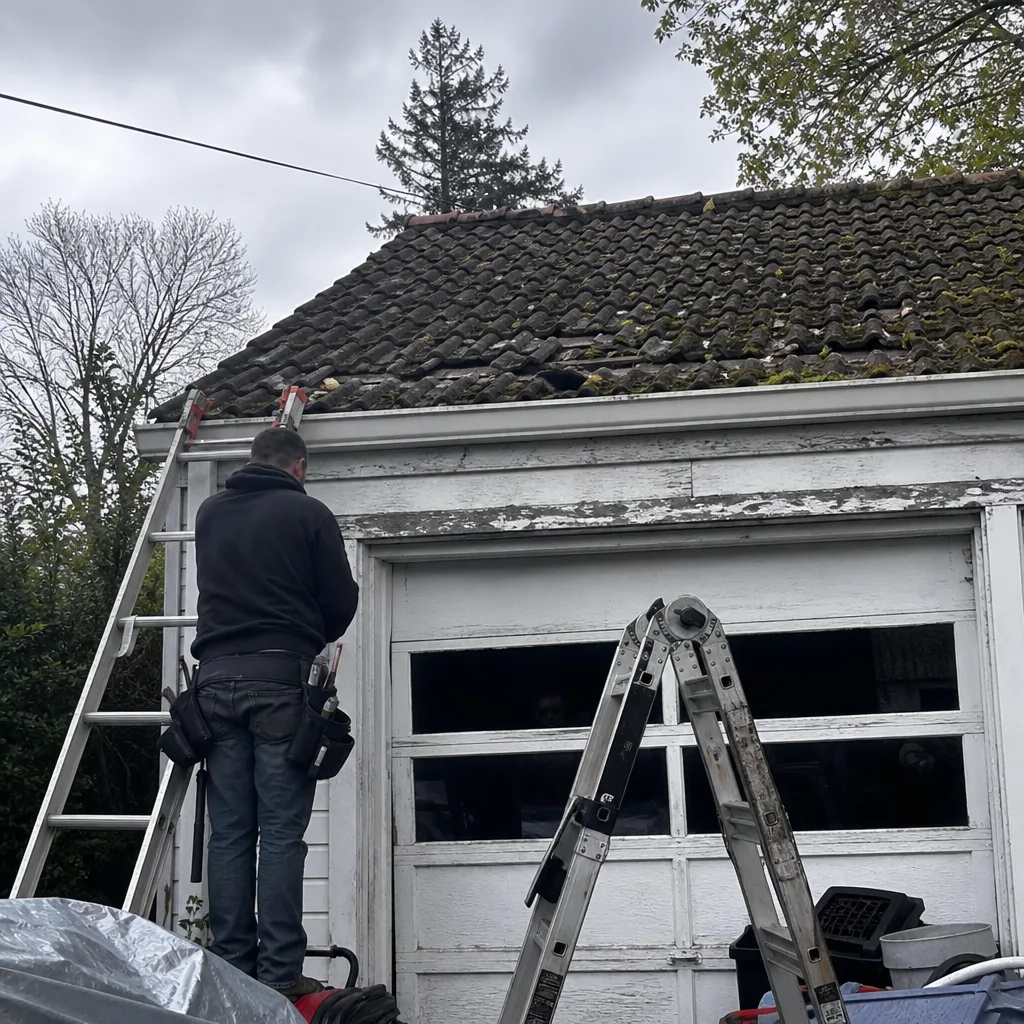 Before
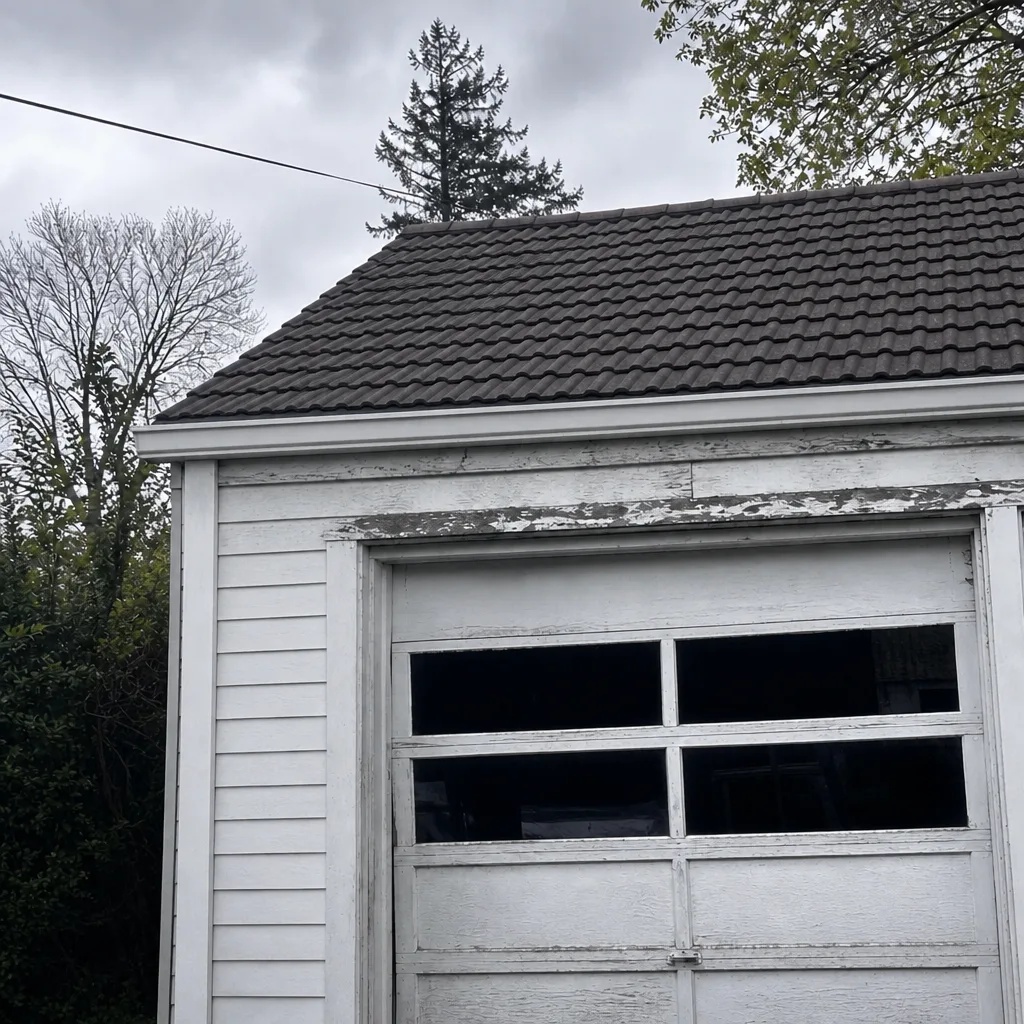 After
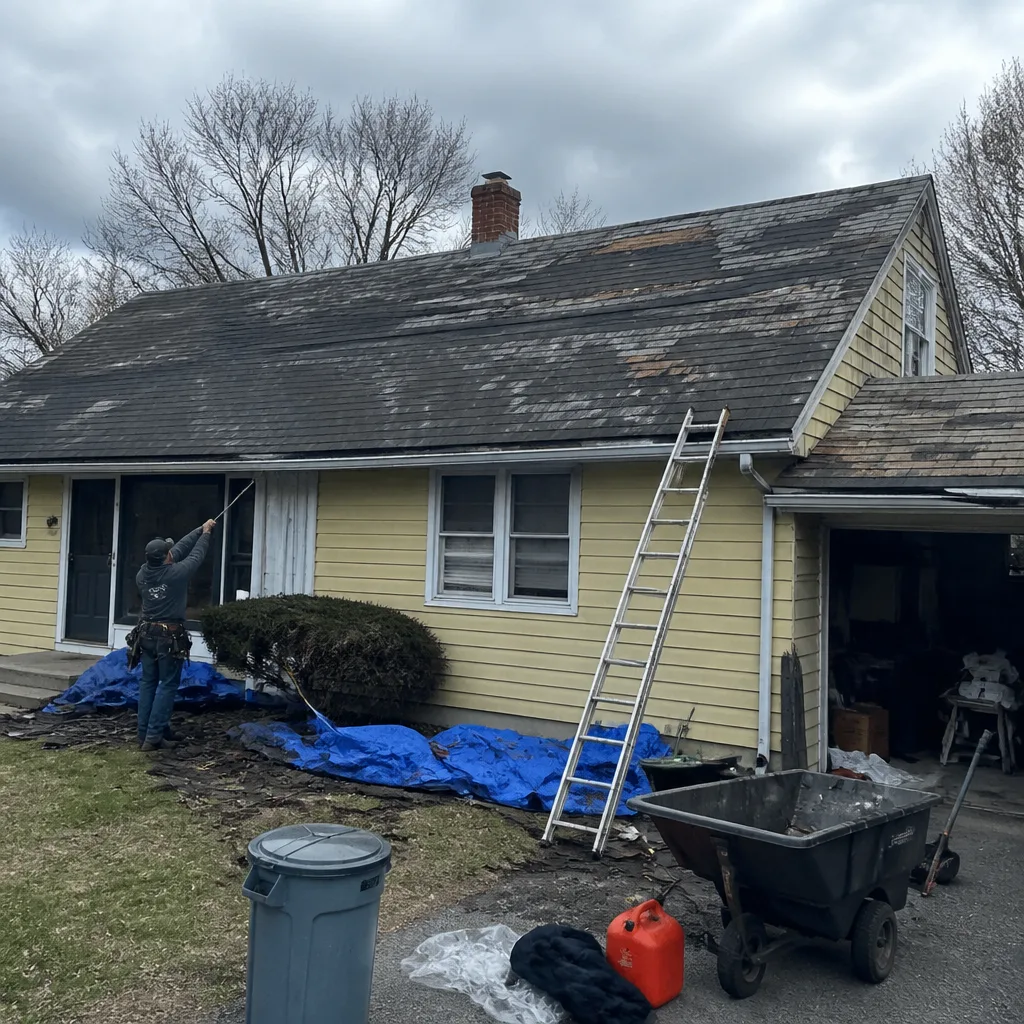 Before
 After
 Before
 After
Frequently Asked Questions
Fall is the highest-return season, because the attic ventilation check and flashing re-seal done before winter directly reduce the risk of ice dam formation. The spring post-melt inspection is the second most important, since it catches what winter left behind. Doing both in sequence gives you the cleanest read on your roof’s health across the year.
Cost depends entirely on what’s actually found and what needs to be done, which is why an inspection comes first. We give you a written, line-by-line estimate before any work begins, and the price is set per job by that estimate. Call (855) 473-7282 for an exact quote – estimates are free.
Some light management is safe: keeping the bottom of the roof and gutters clear with a roof rake from the ground, and watching for interior water. Beyond that, it’s a job for a professional. Never climb onto a snowy or icy roof, never chip ice off with a tool, and never pour hot water on the roof. If the dam is large or water is coming inside, call (855) 473-7282 and we’ll get someone out to assess it.
Granules are the protective layer on asphalt shingles, and they wear off as the roof ages. Heavy accumulation of coarse granules in gutters, rather than fine sediment, tells you your shingles are aging faster than normal and may be nearing the end of their service life. It’s a leading indicator of future leaks, not a cosmetic issue. Call (855) 473-7282 for an inspection if you’re seeing it.
Yes. Flat and low-slope roofs use membranes or built-up systems, not overlapping shingles, and they handle Albany’s humid summers differently. Pooled water, seam separation, and drain clogs are the key things to watch on these surfaces. Steep-pitch asphalt roofs tend to drain more quickly and tolerate humidity better, but they still need attention on the sun-baked slopes.
Keep a rolling 12-month log with one entry per season, recording what you checked, what you found, and any work done. Include receipts and written estimates. This gives you a clear timeline to support an insurance claim and a documented history that’s useful to any future buyer. Call (855) 473-7282 if you’d like a professional inspection on record.
The Bottom Line
Roof care in Albany isn’t a once-a-year project – it’s a seasonal rhythm where the timing is what matters. Fall prevention, especially attic ventilation and flashing, is what saves you from winter ice dams. The spring post-melt inspection catches what winter left behind. Summer is when flat and low-slope surfaces need your attention. And the rolling maintenance log ties it all together into a documented history you can actually use. Start with inspection, handle the small problems before they become large ones, and keep your records. If you’d like a professional read on your roof’s condition, call (855) 473-7282 and schedule a free estimate with us at Jasper Roof Repair.
About This Guide
Jasper Roof Repair focuses exclusively on roofs: inspection, repair, and replacement. Every recommendation above follows the same model we work from – start with an inspection and let the diagnosis drive the solution, rather than the other way around. We work with seven major manufacturers, including GAF, CertainTeed, Owens Corning, and IKO, so the right material gets matched to your roof instead of the one we happen to prefer. Our technicians have up to 15 years of experience. When you’re ready to know exactly what condition your roof is in, we’re one call away. For more on our work in Albany and how we handle roof replacement when the situation calls for it, we’re glad to talk it through.
Written by the team at Jasper Roof Repair.