
Last updated November 16, 2026
 Architectural shingles
 Metal roofing
 Tile roofing
 GAF
 Owens Corning
 Flat & low-slope
Free roof inspection with deck photos before we talk money - GAF and Owens Corning certified installation
Roof Repair Maintenance Checklist for Albany Homeowners
The most damaging roof event in Albany isn’t a storm. It’s the stretch in late February when daytime temperatures cross 32°F, snow turns to slush on the roof, and that meltwater slides down to the eave and refreezes every night for two weeks straight. Most roof maintenance checklists are written for a vague “temperate climate” homeowner: clear the leaves in fall, look at the shingles in spring, done. Albany doesn’t work that way. Our freeze-thaw cycle, ice dam season, and heavy spring melt volume create a maintenance calendar that skips several steps those generic lists include and adds others they leave out entirely. This guide covers what to actually check, month by month, in Albany.
Quick Answer
A roof maintenance checklist for Albany homeowners should follow the local freeze-thaw calendar, not generic spring and fall categories. That means inspecting ice dam indicators in January and February, checking chimney and valley flashing before the spring melt, verifying gutter and downspout grades in March and April when melt volume peaks, and reserving any roof-surface or ladder work for a roofing professional. Homeowner-safe tasks are limited to ground-level observation and interior checks; anything that requires walking the roof belongs to a specialist.
Styles & brands we work with
- Architectural shingles
- Metal roofing
- Tile roofing
- GAF
- Owens Corning
- Flat & low-slope
Table of Contents
- Why Albany’s Roof Calendar Doesn’t Match Generic Maintenance Lists
- The Freeze-Thaw Cycle: What Happens to Your Roof in Albany
- A Month-by-Month Roof Maintenance Calendar for Albany
- Ice Dam Indicators to Check in January and February
- Flashing Inspection Points That Fail First in Albany’s Older Homes
- Gutter and Downspout Grade Checks for Albany’s Spring Melt
- Homeowner-Safe Inspection Tasks vs. What Requires a Roofer
- When to Call a Professional
- Common Mistakes to Avoid
- Frequently Asked Questions
- The Bottom Line
Why Albany’s Roof Calendar Doesn’t Match Generic Maintenance Lists
Most roof maintenance advice that circulates online was written for a climate with one reliable freeze and one reliable thaw. Albany gets dozens of freeze-thaw transitions each winter, and that changes the entire maintenance logic. A generic list tells you to check your roof in spring and clean your gutters in fall. That schedule misses the two months of the year when ice dams do their damage and the six weeks when meltwater stress on gutters and downspouts is highest.
There’s a second reason Albany’s checklist looks different: the housing stock. Large parts of Albany, from Center Square and the Pine Hills to Helderberg and Delaware Avenue, are older homes with steep pitches, complex rooflines, dormers, and masonry chimneys that penetrate the roof deck. Those features create more flashing seams, more valley intersections, and more places where water can find a way in. A checklist written for a simple gable roof on a new-build subdivision misses most of the failure points these roofs actually have.
The third difference is storm season. Albany’s damaging weather is less about summer thunderstorms and more about winter ice, wind-driven rain, and the freeze-thaw shoulder seasons in November and March. Fallen limbs from the large mature trees common in Albany’s older neighborhoods are a real maintenance item, but they’re a smaller part of the annual risk picture than ice and meltwater.
What that means practically: your maintenance calendar should be anchored to Albany’s actual frost dates and storm seasons, not to a generic “spring and fall” rhythm. The next sections build that calendar, task by task, month by month.
The Freeze-Thaw Cycle: What Happens to Your Roof in Albany
Understanding what freeze-thaw does to a roof explains why the maintenance checklist is shaped the way it is. Here’s the mechanism, without the alarmism.
Snow accumulates on the roof through December and January. When daytime temperatures rise above freezing, that snow melts. The meltwater runs down the slope of the roof and reaches the eave, which is the coldest part of the roof because it overhangs the exterior wall and gets no heat from the attic below. At the eave, the water refreezes. Overnight, more meltwater backs up behind that ice. Repeat this for two weeks and you have an ice dam: a ridge of ice at the eave that traps liquid water behind it.
That trapped water doesn’t stay on the surface. It finds the weakest point in the roof assembly, which is almost always a nail penetration, a flashing seam, or the edge of an underlayment joint. It works its way under those, and the next thing the homeowner knows, there’s a stain on the ceiling of a room below. The water didn’t leak because the shingles failed. It leaked because meltwater was forced up under them.
Meanwhile, the freeze-thaw cycle is also stressing the roof materials themselves. Asphalt shingle sealant strips expand and contract. Flashing sealants open and close. Gutter fasteners work loose. Metal expands and contracts against wood. None of this is visible from the ground, and none of it is a crisis on any single day. It’s the cumulative effect over a winter that matters.
Our technicians have up to 15 years of experience, and in that time we’ve seen this cycle play out over and over: a roof that looked fine in November develops a leak in March that traces back to an ice dam in February. The maintenance checklist exists to catch the conditions that set an ice dam up, before it has a chance to form.
A Month-by-Month Roof Maintenance Calendar for Albany
Here’s a maintenance calendar built around Albany’s actual climate rather than generic categories. Some tasks are yours to do at ground level or indoors. Others are inspection items to note and pass to a roofing professional.
December: Pre-Winter Baseline
- From the ground on a clear day, look for loose flashing at the chimney, missing or lifted shingles, and any obvious gaps. Note what you see; don’t attempt to fix it from a ladder in winter.
- Check the attic for existing water stains and photograph them. This gives you a baseline so you know if a stain is new after the next thaw.
- Verify the attic insulation isn’t blocking soffit vents. Blocked soffits trap warm air against the roof deck and make ice dams more likely.
January: Ice Dam Watch Begins
- Look at the eave line from the ground for icicle buildup, particularly along the north-facing slope. Long dense icicles are a sign the meltwater is refreezing at the eave.
- Check the interior at the ceiling and along exterior walls for new discoloration, especially below the roof overhang.
- Note any interior cold spots or drafts. Cold air leaking into the attic changes the roof’s thermal pattern.
February: Peak Ice Dam Season
- Continue the interior checks. February is when interior water intrusion most often first appears.
- Look for visible sagging or bulging in the gutter line from the ground. Heavy ice can pull gutters away from the fascia.
- Listen for dripping inside the walls or ceiling after dark, when the roof refreezes and the evidence is audible.
March and April: Spring Melt Verification
- Watch downspouts during the biggest melt days. Water should flow strongly and exit well away from the foundation.
- Walk the perimeter of the house at ground level and check for water pooling, soil erosion, or splash-back against the foundation. That water came off your roof.
- Inspect gutters and downspout brackets for loosening after the winter’s ice load.
May and June: Post-Winter Surface Check
- From the ground, photograph all sides of the roof and compare to your December photos.
- Clear any debris (limb ends, leaves, seed pods) that landed on the roof or in valley areas.
- Check attic ventilation function: is air moving through the soffits and out the ridge? Is the attic staying cool on warm days?
July through October: Storm Season and Pre-Winter Prep
- After any significant wind or hail event, do a ground-level inspection of the slope facing the storm direction.
- By October, clear gutters and downspouts one final time before the first freeze. This is the single highest-value fall task for an Albany roof.
- Have the roof inspected professionally before winter, so any flashing or shingle issues are addressed before they’re tested by ice.
The calendar isn’t a sell: it’s a way to catch the roof’s real condition before the two problem seasons. If you’re already past December, or you’re looking at a roof that hasn’t had any attention in a few winters, the practical starting point is an inspection. Start with an inspection. Know exactly what you’re dealing with before spending a dollar on repair or replacement. That’s the only honest way to build the rest of your plan.
Ice Dam Indicators to Check in January and February
An ice dam indicator is not the ice dam itself. The dam is on the roof; the indicators are what you can see from the ground and from inside. Catching the indicators early is what prevents the interior damage.
Here are the specific indicators to watch for in January and February. These are your job. Anything on the roof surface itself is a roofer’s.
- Icicle formation along the eave, especially along the north slope. Small icicles are normal. Long, dense, or repeated icicles in the same spot are the sign the eave is getting warm enough to melt the snow above it and cold enough to refreeze it.
- A visible ridge of ice behind the gutter line. If you can see a distinct ice line where the roof meets the gutter, the eave is holding a dam. This is the most direct visual indicator.
- Interior stains on the ceiling or along exterior walls, particularly below the roof overhang. New discoloration is the clearest evidence water has gotten through. Photograph it with a date reference.
- Ice on the gutter face and fascia. Frozen water hanging from the gutter is often a sign water is backed up behind it as well.
- Gutter brackets pulling loose from the fascia. Ice load is a heavy structural force; a bracket that was firm in November and is loose in February tells you something.
- Attic frost or dampness on the roof deck sheathing. Visible frost or condensation on the underside of the roof deck means warm, moist air is reaching the cold deck, which is one of the conditions that drives ice dams.
If you see more than one indicator, the roof needs an inspection before the next freeze. Waiting for interior damage is the wrong strategy, because ice dam damage is rarely caught until it’s already in the wall or ceiling. In our experience, ice dam problems that are caught at the indicator stage are almost always minor repairs; caught at the interior damage stage, they’re often more extensive.
Flashing Inspection Points That Fail First in Albany’s Older Homes
Flashing is the metal detailing that seals the seams where the roof meets something that isn’t a shingle: chimney, wall, valley, vent, or skylight. It’s the first component to fail in most roof leaks, and it’s the component most often skipped on a maintenance checklist. Albany’s older homes have more flashing than a modern simple roof, which means more places for water to get in.
Here are the flashing points to have inspected, and why each one matters in an Albany home.
Chimney Step Flashing
Step flashing is the small L-shaped metal pieces where the roof slope meets a masonry chimney. On a masonry chimney in Albany, this is where freeze-thaw does some of its worst work: the flashing and the masonry expand and contract at different rates, opening the sealant joints a little more each winter. In our experience, more water intrusion in older Albany homes starts at chimney step flashing than at any other penetration. Have the condition of the counter-flashing and step flashing inspected every few years. If sealant joints are cracked or the metal is pulling away from the masonry, a roofer needs to reset it before winter.
Valley Flashing at Leaf-Trap Zones
Valleys, where two roof planes meet, are the roof’s most concentrated water channel. In Albany’s older neighborhoods, tree canopies are dense and valleys catch leaves, seed pods, and debris all season. When the debris backs up and the water can’t flow, it can back up under the valley flashing. Inspect valleys for standing water residue, debris accumulation, and visible separation at the valley edge after the melt season. Note any valley that has debris you can’t clear from the ground, because a roofer will need to clear it safely.
Flashing Seams at Dormers, Vents, and Skylights
Every penetration is a seam, and every seam is a candidate for freeze-thaw stress. Look from the ground for lifted metal, rust, visible caulk lines, and staining at the edges of roof penetrations. On an older home with multiple dormers, this means multiple small flashing systems to keep an eye on.
Inspecting flashing is not a professional-only task. Being aware of where the flashing is, and looking for staining and lifted metal from the ground, is a legitimate homeowner check. Repairing it is the professional step. Our roof repair service covers this kind of targeted flashing work, and it’s a common stand-alone repair because a small flashing fix can prevent a much larger problem.
Gutter and Downspout Grade Checks for Albany’s Spring Melt
Most roof maintenance checklists treat gutters as a “clear the leaves in fall” item. In Albany, that’s the least interesting gutter task. The bigger question is whether your gutters and downspouts can handle the melt volume in March and April, which is a grade and drainage question, not a leaf question.
Here’s the sequence for a proper gutter and downspout assessment.
- Clear gutters before the first freeze. That’s the fall task. If you can safely reach them from a stable ladder with another person present, clearing them is homeowner work. If your roof is steep or your gutters are more than two stories up, don’t do it: have a roofer handle it.
- Verify gutter slope on a dry day. Water should flow toward the downspout outlets, not pool. If a gutter sags or holds water, the slope is wrong. Standing water in a gutter is what freezes into ice in the first place, so this matters in November as much as in April.
- Check downspout flow during the first serious melt day. Watch each downspout from a safe spot. Steady, strong flow that exits onto a splash block or extension and moves away from the house is what you want. Weak flow, overflow at the top, or water backing up at the downspout inlet all point to a blockage.
- Confirm downspouts discharge at least 4 to 6 feet from the foundation. Spring melt delivers a lot of water at once. If the downspouts end right at the foundation, that water pools against the basement wall. Add an extension if needed.
- Watch for erosion channels and foundation wetness after the first big melt. If you see water pooling against the foundation, soil erosion, or roof runoff splashing against the foundation wall, the roof’s drainage system isn’t doing its job. This is a maintenance failure you can fix before it causes foundation problems.
Why the emphasis on the melt and not the leaves? Because the spring melt delivers more water in a shorter time than any rainstorm. A gutter that’s been quietly underperforming all winter will show it clearly in March, and that’s the window to fix it before the next freeze.
Homeowner-Safe Inspection Tasks vs. What Requires a Roofer
This is the section most roof maintenance checklists get wrong. They blur the line between what a homeowner can do and what belongs to a professional, and that’s how people get hurt. Roofing is high-risk work, and the risk is real even on a “just look at it” task.
Here’s the honest split.
Homeowner-Safe (Ground Level and Interior)
- Ground-level visual inspection from all sides of the house: looking for missing shingles, lifted flashing, staining, and debris accumulation
- Photographing the roof from a safe ground vantage with a phone or zoom lens
- Interior checks for ceiling and wall stains, damp patches, frost on the roof deck from inside the attic, and cold spots
- Watching gutters and downspouts during rain and melt to confirm drainage flow
- Clearing gutters from a stable ladder only if you’re comfortable at height, the roof is a simple pitch, and someone is with you
- Checking attic ventilation and insulation condition from inside
Roofer Tasks (Not Homeowner Work)
- Walking on the roof surface to inspect shingles, sealant, or deck condition
- Removing ice dams, snow, or heavy debris from the roof
- Any work on flashing at the chimney, valleys, or penetrations
- Replacing or fastening shingles, or any mechanical repair of the roof
- Climbing to inspect gutters on steep or multi-story homes
- Any task on a roof with visible sag, prior leak damage, or weak deck structure
If you’ve been on the fence about your own abilities at height, the correct answer is: don’t do it. A roof leak is annoying but manageable. A fall isn’t. Roofing is all we do, and that focus is why we handle the on-roof work safely instead of leaving it to a homeowner balancing on a ladder. Our technicians have up to 15 years of experience working on exactly this kind of roof in Albany, and a diagnostic inspection is a much better use of those years than a DIY attempt at the flashing.
Common Mistakes to Avoid
- Treating the calendar as “spring and fall.” Albany’s actual risk window is January through March, when ice and meltwater do the damage. A checklist that only visits the roof in May and September misses the whole problem season.
- Clearing gutters only for leaves and not for slope and flow. A clean gutter that’s sagged out of slope will still freeze into an ice dam in January. Check grade and discharge distance, not just debris.
- Ignoring chimney step flashing because it “looks fine.” Step flashing sealant joints open a little more with each freeze-thaw cycle. On an older Albany home, a flashing seam that looks fine from the ground can be the failing component.
- Assuming a leak means the roof is finished. Most leaks we’re called out to in Albany trace back to a small flashing or underlayment detail, not to a roof-at-end-of-life condition. The diagnostic comes first; repair is often the right answer.
- Trying to knock ice off the roof yourself. This is the highest-risk roofing task and it’s also the one most likely to damage the shingles. Ice dam removal belongs to a roofer, always.
- Waiting for interior damage before investigating a visible indicator. A long icicle or a visible ice ridge is the message. Waiting for the ceiling stain is waiting too long.
- Skipping the pre-winter inspection. A fall inspection is the single most effective maintenance task, because it catches flashing and shingle issues before the freeze tests them. If the roof’s already past that point, an inspection still gives you a real starting point.
When to Call a Professional
Call a professional when the indicator has become evidence. Specifically: interior staining or dampness that’s new this winter, icicles that repeat in the same spot or a visible ice ridge behind the gutter, damaged or missing shingles after a wind event, a flashing seam you can see is separating from the chimney or roof, or a downspout that no longer drains properly. Also call if the roof is more than a simple single-story walk-up and any inspection requires being on the surface. And call before winter rather than after, because a diagnostic inspection in autumn is how the flashing and valley issues get caught while the repair is still small.
Jasper Roof Repair offers free estimates in Albany. We work with materials from seven recognized manufacturers, including GAF, CertainTeed, Owens Corning, IKO, Atlas, Tamko, and Boral, so your roof gets the right material for its condition, not the one brand we happen to prefer. Call (855) 473-7282 to schedule your free estimate. We answer 24/7. Fast dispatch from 7am to 7pm, Sunday through Friday.
Frequently Asked Questions
Once a year at minimum, ideally in the early fall before the freeze-thaw season begins. If the roof is older, has complex dormers or multiple rooflines, or has had any prior repairs, a second inspection in spring is worth it. In our experience, Albany homes with masonry chimneys and valleys that catch leaves benefit from an annual inspection because the flashing components accumulate stress every winter.
You can clear gutters from a stable ladder if the roof is a simple pitch, the gutters are reachable, and someone is with you. Ground-level and interior inspection is always yours to do. What you shouldn’t do is walk the roof surface, remove ice or snow, handle flashing, or climb gutters on steep or multi-story homes. Those tasks belong to a roofer. If you’re unsure, an inspection is the safe call.
Indicators are what you can see before water gets in: icicles along the eave, an ice ridge behind the gutter, ice on the fascia. Actual damage is interior staining, dampness along the walls, or visible water tracking. Indicators give you a window to get the roof inspected before the damage. Caught at the indicator stage, the fix is usually minor. Caught after the interior stain appears, the repair is often more extensive.
Our inspection is a standalone service with no obligation to purchase repair or replacement, and estimates for the recommended work are free. The price of any repair or replacement is set per job by the written estimate, so you’ll know the exact number before any work starts. Call (855) 473-7282 to schedule your free estimate and we’ll walk you through what the roof actually needs.
Usually a repair is enough. Most ice dam leaks trace back to a specific flashing seam, a valley that’s been holding water, or an underlayment joint, not to the roof being at the end of its life. The honest decision comes from a diagnostic inspection, not from the leak alone. Repair when the roof warrants it. Replace when it doesn’t. We’ll give you the straight answer either way.
We work with all three of our services: inspection, repair, and replacement. Ventilation and roof-deck detailing are addressed as part of a replacement when the roof’s condition calls for it. Preventative maintenance on flashing, valleys, and gutters is the repair-side task that reduces ice dam risk. Start with an inspection and we’ll tell you which category your roof is in.
The Bottom Line
An Albany roof maintenance checklist is not a generic spring-and-fall list. It’s a calendar built around the local freeze-thaw cycle, ice dam season in January and February, and the spring melt volume that tests gutters and drainage in March and April. The homeowner’s job is ground-level vigilance, interior checks, and gutter maintenance. The frequent failure points on Albany’s older homes are chimney step flashing, valley flashing at leaf-trap zones, and gutter grade, and all of those are professional inspection items. Start with an inspection. Know exactly what you’re dealing with before spending a dollar on repair or replacement. Call (855) 473-7282 to schedule your free estimate. We answer 24/7. Fast dispatch from 7am to 7pm, Sunday through Friday.
Written by the team at Jasper Roof Repair.
See the difference
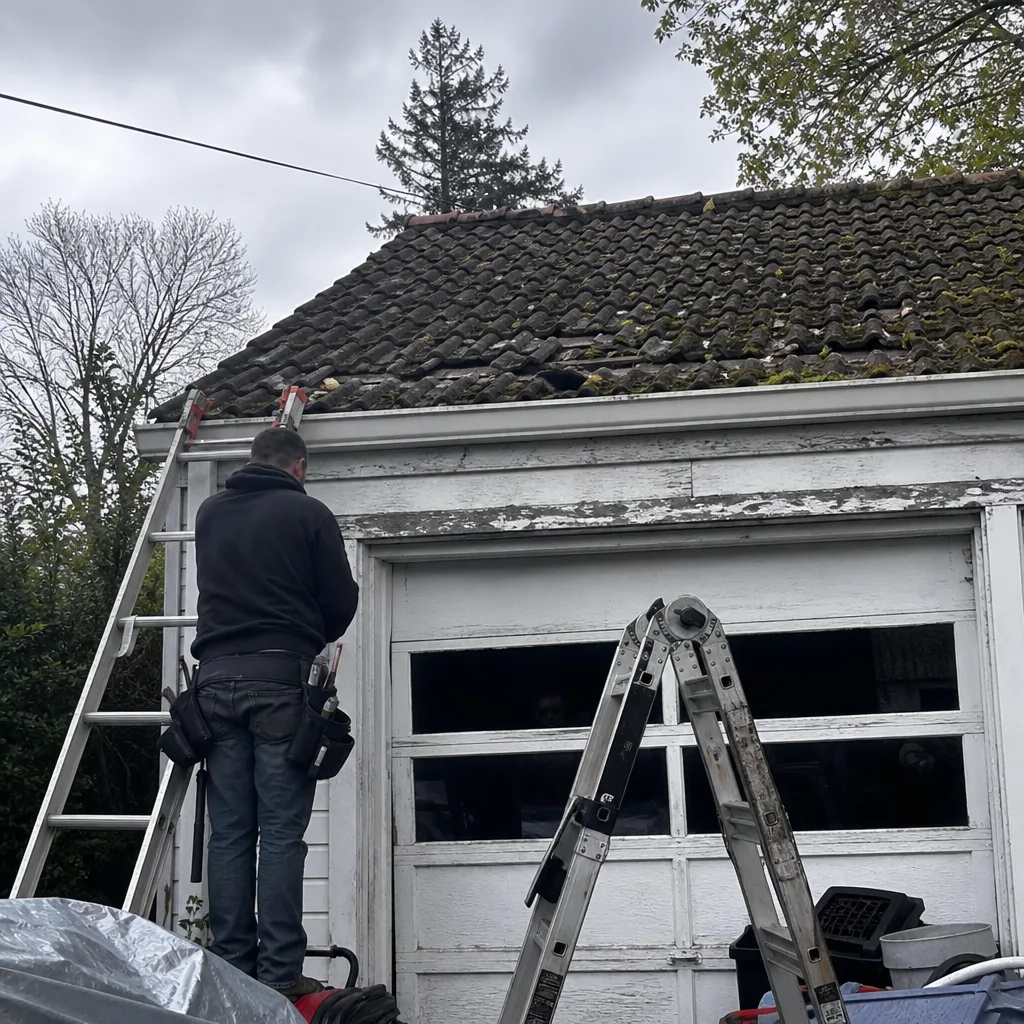 Before
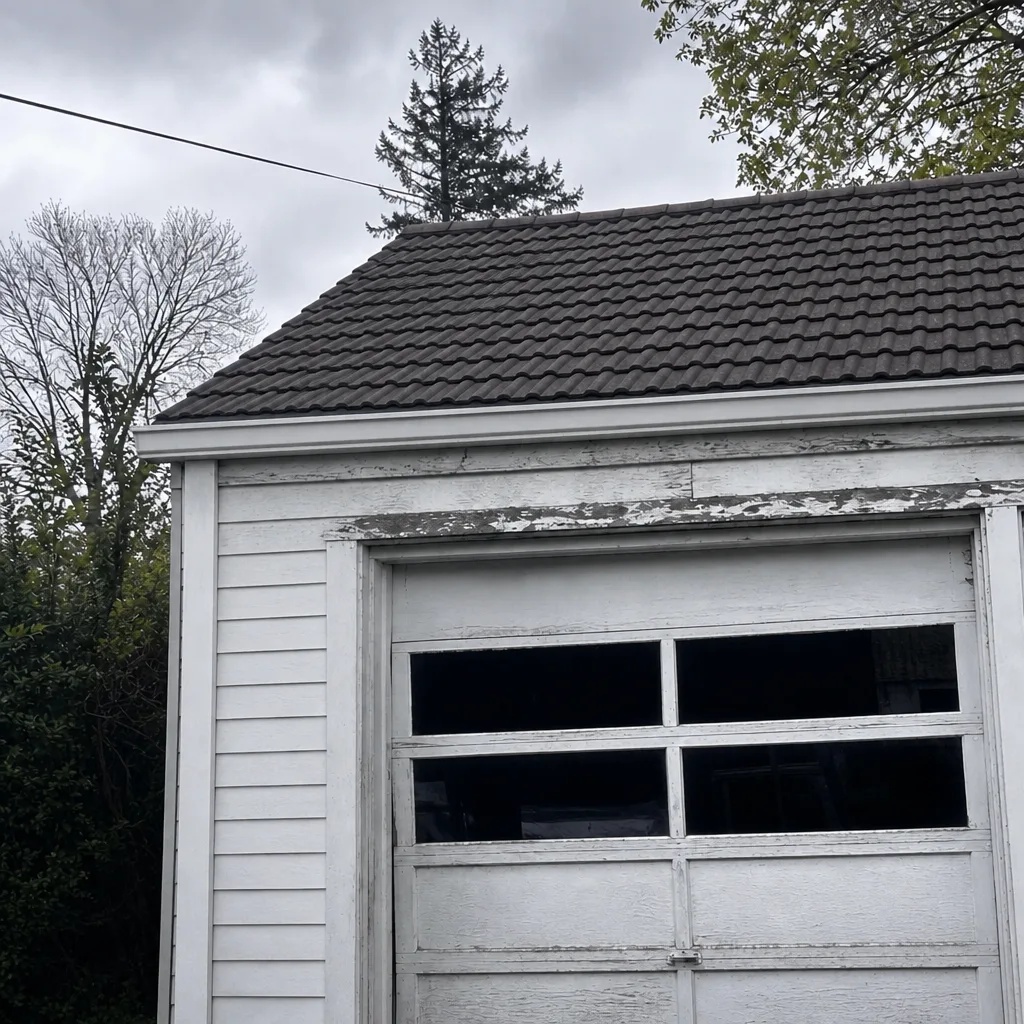 After
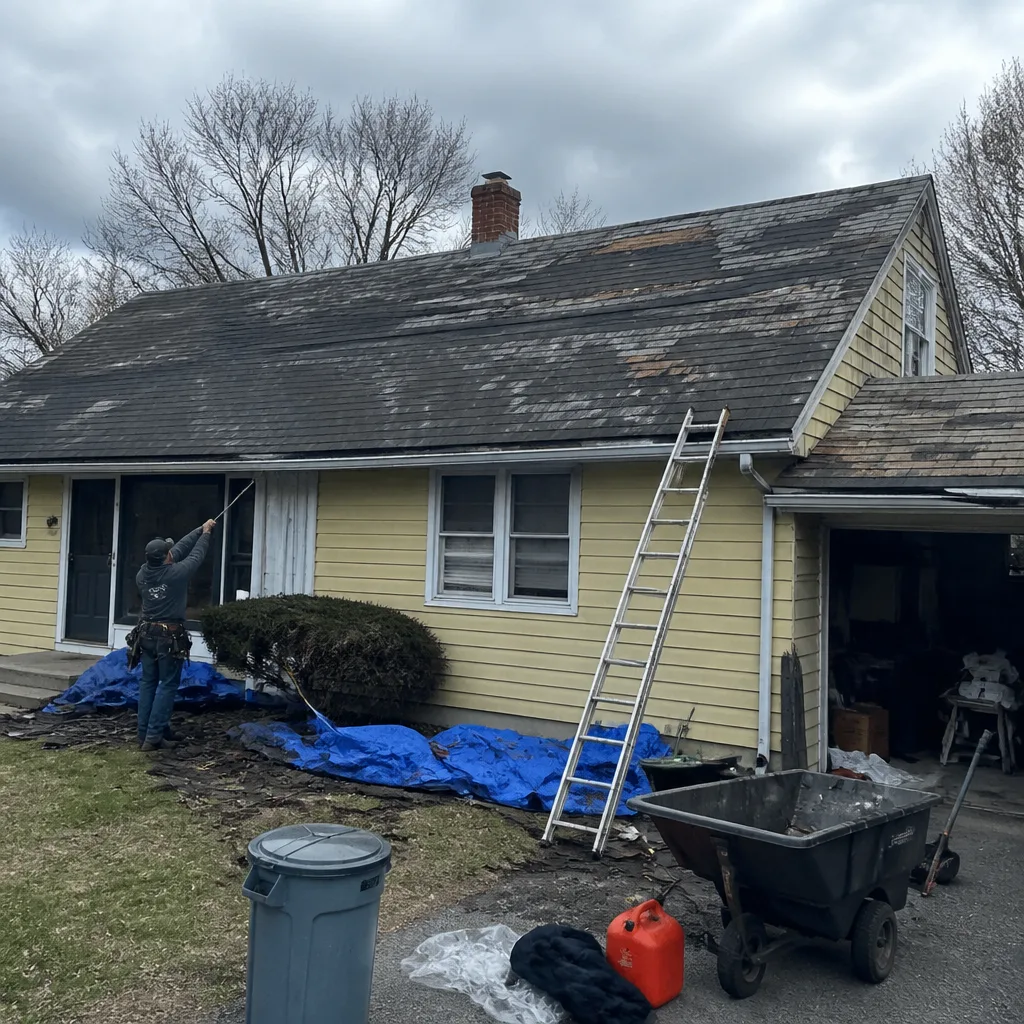 Before
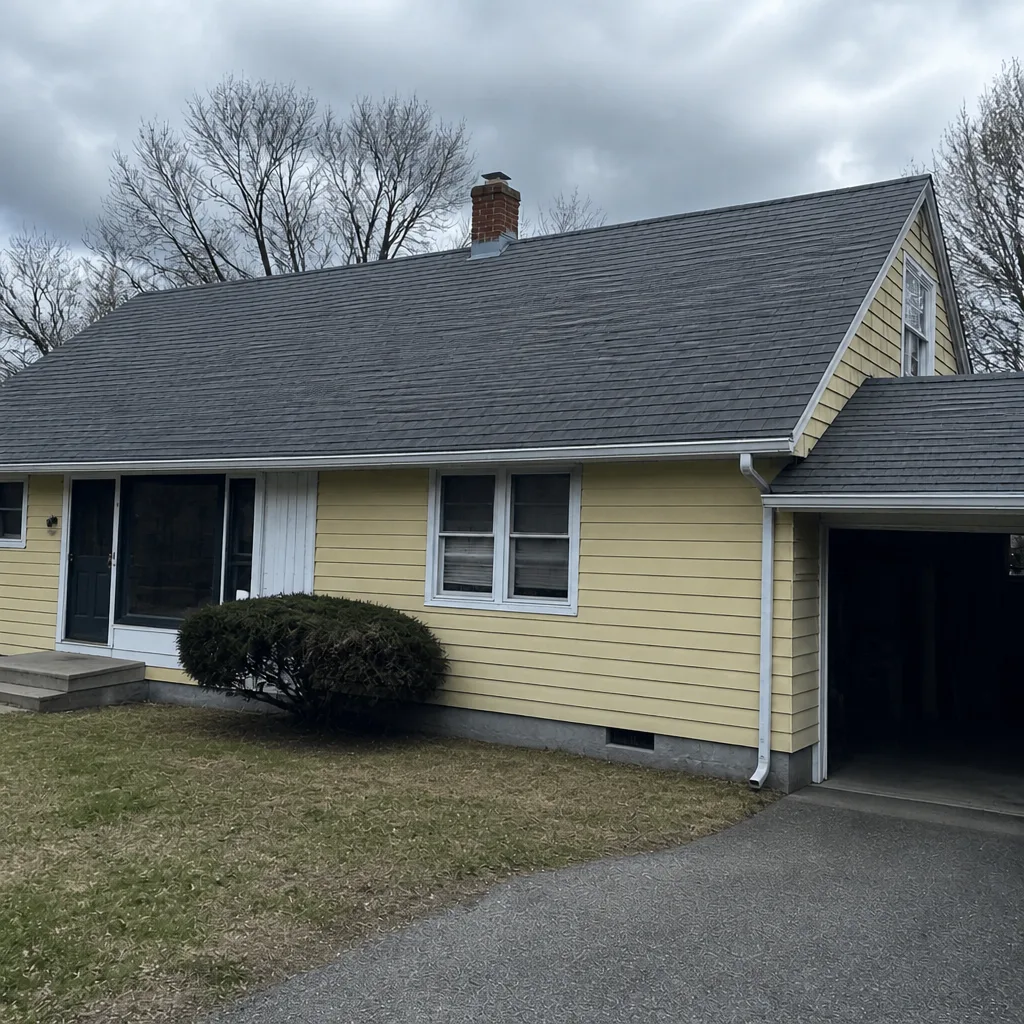 After
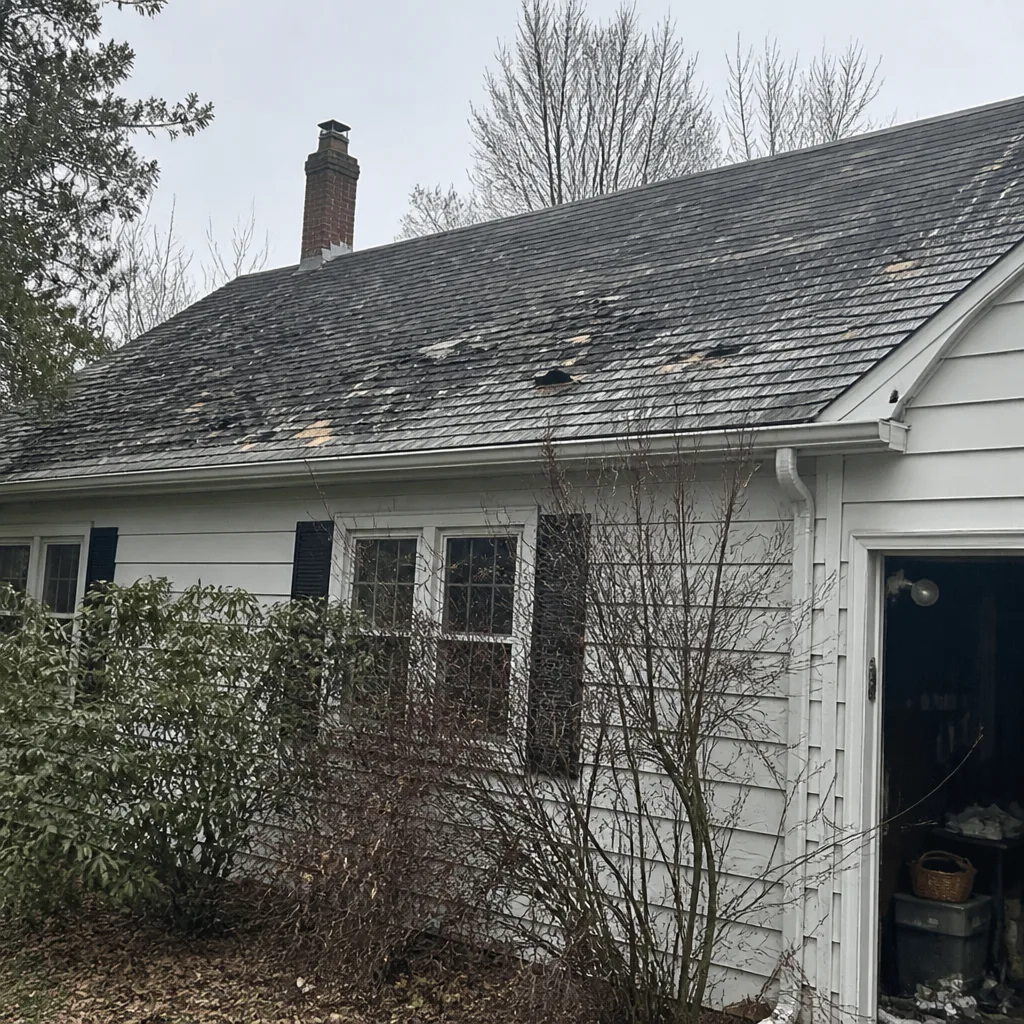 Before
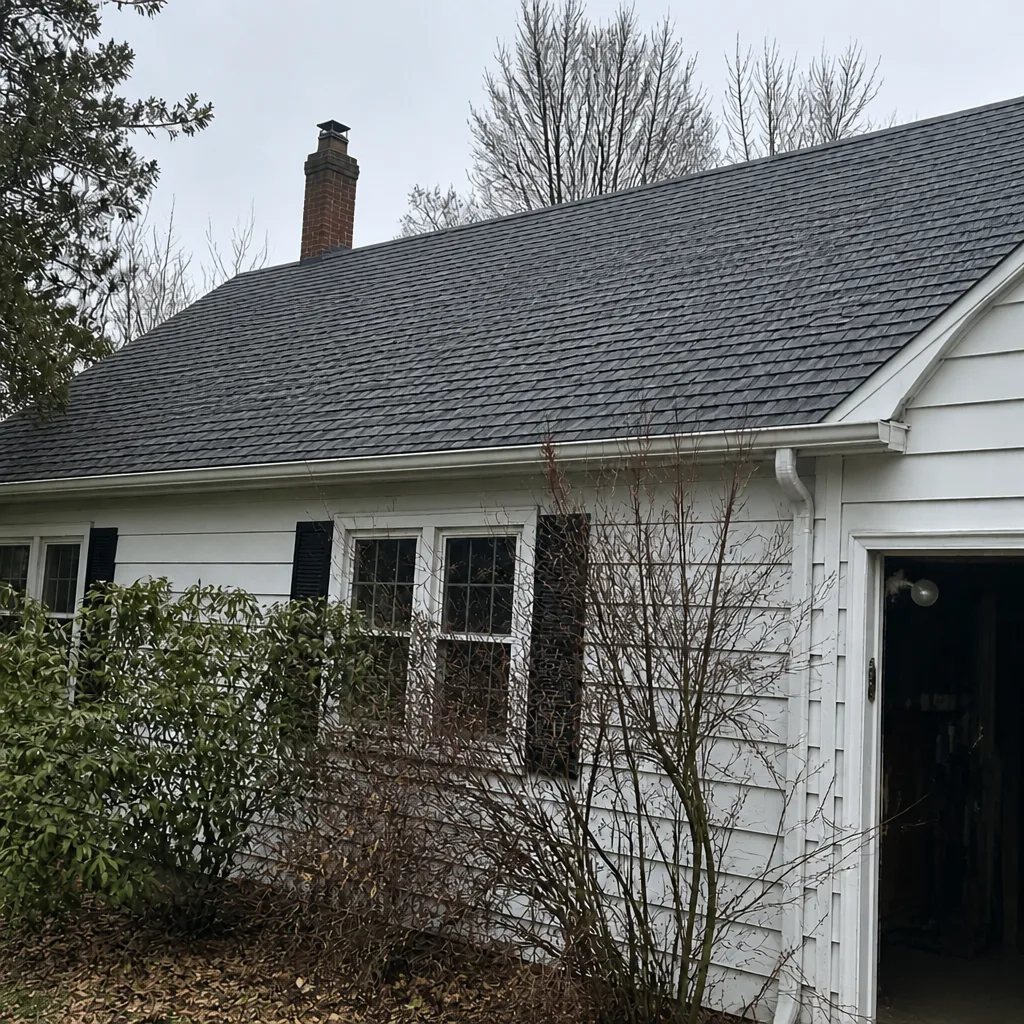 After