
Last updated November 16, 2026
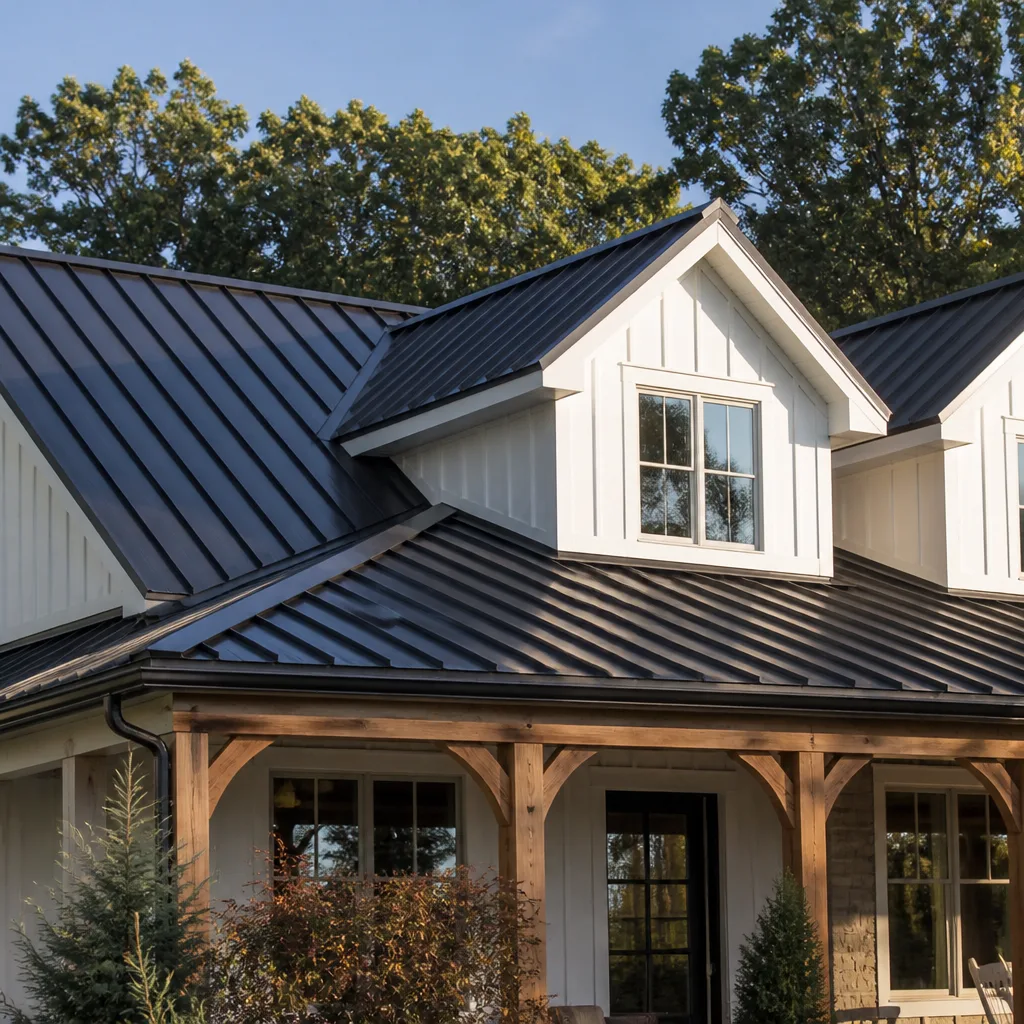 Metal roofing
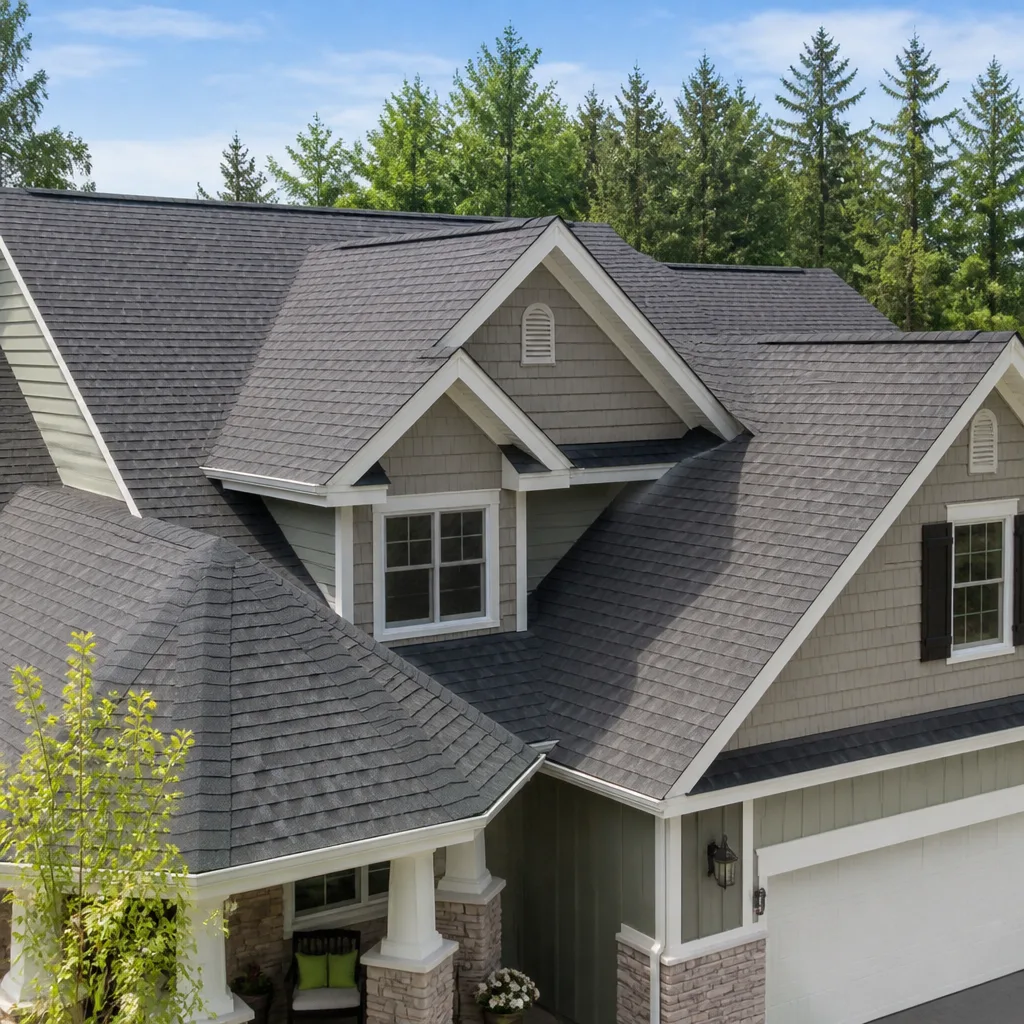 Architectural shingles
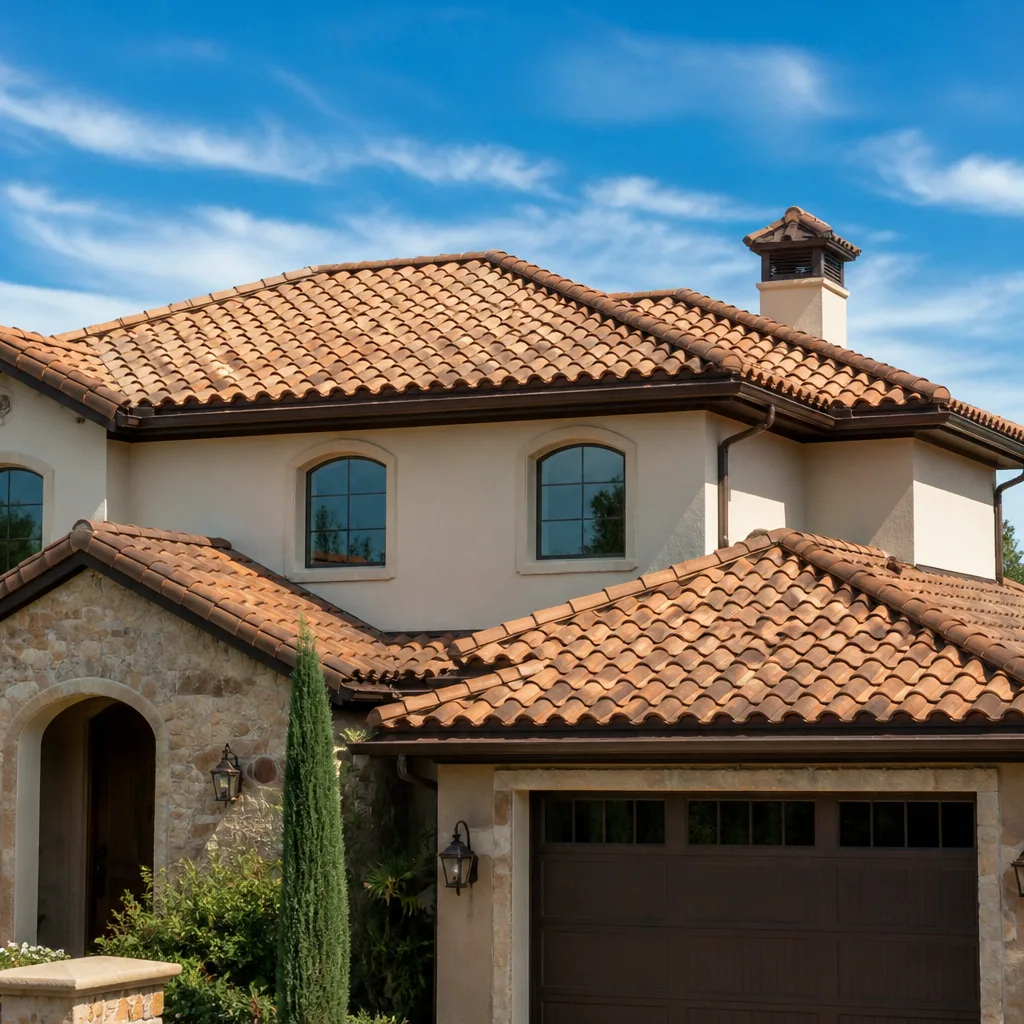 Tile roofing
 GAF
 Owens Corning
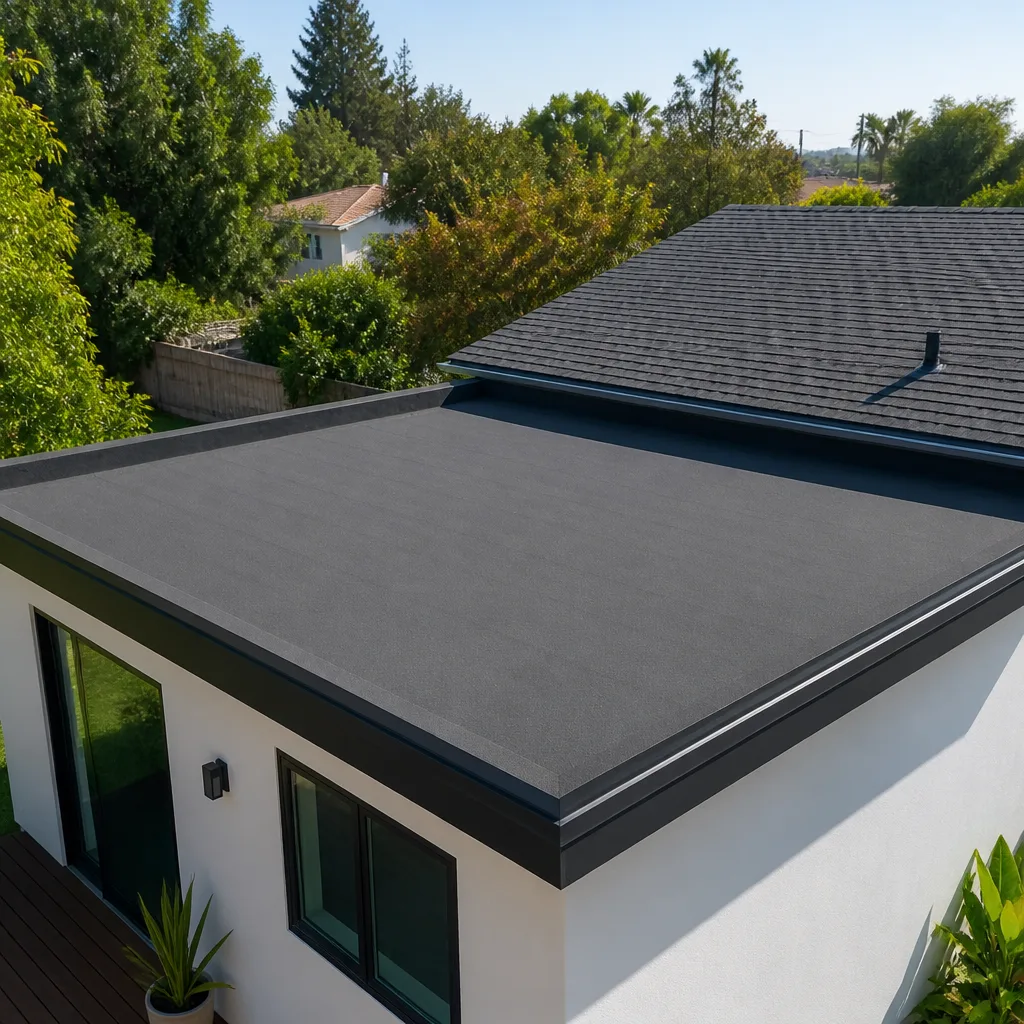 Flat & low-slope
Free roof inspection with deck photos before we talk money - GAF and Owens Corning certified installation
Roofing Emergency Preparedness Guide for Albany Homes
The call that matters most in a roofing emergency is the one you make before the storm, not after it. Most homeowners in Albany treat roof damage as something to figure out in the moment, and the moment is exactly when every contractor in the region is buried in calls and the answers get expensive. The 48 hours after a serious ice or wind event are the worst possible time to start looking for help, and the best possible time to already have a plan. This guide gives you that plan: what to photograph now, what to do during an active leak, how to judge a tarp, how the New York claim timeline runs, and how to spot a storm-chaser in Albany’s crowded post-storm market.
Quick Answer
Emergency roofing preparedness in Albany means three things done ahead of winter: documented photos of your roof and attic from a dry day, a written plan for who to call and in what order, and a clear understanding of your insurance policy’s deadlines. When damage happens, you stop the water first, document everything second, and call for a professional inspection before you sign anything. Preparation decides whether a storm costs you a repair or a replacement.
Styles & brands we work with
- Architectural shingles
- Metal roofing
- Tile roofing
- GAF
- Owens Corning
- Flat & low-slope
Table of Contents
- Pre-Season Documentation: Your Strongest Claim Tool
- What to Do During Active Roof Damage
- How to Evaluate a Temporary Tarp Installation
- The New York Insurance Claim Timeline
- Spotting a Storm-Chaser in Albany’s Post-Event Market
- How Albany’s Winter Climate Stress-Tests a Roof
- Why Inspection Comes Before Repair or Replacement
Pre-Season Documentation: Your Strongest Claim Tool
Photograph your roof before storm season, not after. That single habit does more for an insurance claim than almost anything else a homeowner can control, because it establishes a baseline of pre-existing condition. When an adjuster asks whether that missing shingle was already loose, you have an answer with a date stamp on it. The alternative is a dispute you usually lose.
Documentation worth doing on a clear, dry day:
- Wide shots of each roof plane from the ground, showing gutters, flashing, and ridge lines in context.
- Close-ups of problem areas – chimney flashing, skylight seams, valleys, and the drip edge along the eaves.
- Interior ceilings and attic decking, especially any existing stains, so a new leak is distinguishable from an old one.
- Gutter and downspout condition, since ice and snow loads often show up there first.
- A short dated note describing when you took the photos and what you observed.
Store the set somewhere you’ll find it in a hurry, and keep a copy off your phone. Albany winters can produce fast freeze-thaw cycles that shift a roof in a week. A dated baseline turns a vague argument about age into a concrete before-and-after. We’ve seen a well-documented packet save homeowners from a denied claim simply because the evidence existed.
What to Do During Active Roof Damage
When water is coming through during an active storm, your job is to slow the intrusion and protect what’s underneath, not to get on the roof. Wind and slick shingles make a wet roof genuinely dangerous, and falls, not water, cause the worst injuries in this trade. Stay inside, and work the problem from below.
- Contain the water. Put buckets under active drips and lay towels or plastic to route water away from walls and floors.
- Move valuables. Get furniture, electronics, and anything on the floor out of the affected area.
- Relieve pressure carefully. If a ceiling is bulging with trapped water, that’s a job to flag to a professional; a saturated ceiling can collapse, so keep people clear of the area.
- Photograph everything as it’s happening – the drip, the stain, the soaked items. Time-stamped photos are what an adjuster works from.
- Call your roofing specialist early to get an inspection scheduled and a plan in place once it’s safe to be on the roof.
What makes it worse: climbing up to “see what happened,” pushing a tarp into place in high wind, or ignoring a small drip because it stopped. Water travels along the decking and appears far from the actual entry point. For emergency situations like this, call our line and get it triaged correctly instead of guessing. Fast dispatch from 7am to 7pm, Sunday through Friday, gets eyes on the roof once conditions allow. The correct first move during a storm is always defensive: contain, document, protect people.
How to Evaluate a Temporary Tarp Installation
A tarp that isn’t anchored correctly is worse than no tarp, because it gives false assurance and can tear loose and cause damage itself. An adequate emergency tarp covers the damaged area with an overhang of at least several feet, is fastened without driving fasteners through good shingles, and is weighted or battened so it won’t sail in wind. If someone throws a plastic sheet up “for now” with no real fastening, it won’t survive an Albany winter gust.
The variables that separate real protection from a temporary patch:
- Anchoring method. Battens over the tarp, secured to the roof structure, hold far better than weights alone or edge ties that slip.
- Overlap and pitch. The tarp should shed water down the slope, not trap it behind a lip where it pools and works under the material.
- Coverage of the actual break. Patching the visible hole while the water is entering six feet uphill does nothing; the tarp has to cover the water path, not just the drip.
- A written account. Before the tarp goes up, note the original conditions so the adjuster sees what was damaged versus what was temporarily protected.
Treat a tarp as a bridge, not a fix. It buys time to schedule a proper inspection and repair. Ask whoever installs it how long they expect it to hold and what the follow-up plan is – an honest answer includes a real timeline. On the roof our technicians have up to 15 years of experience, and the first thing a trained eye checks is whether the tarp protects the true entry point or just the visible evidence of it.
The New York Insurance Claim Timeline
The first 72 hours after storm damage are when your documentation story is written, and missed deadlines are one of the most common reasons a storm claim gets delayed or questioned. New York homeowners’ policies generally oblige you to report a loss and take reasonable steps to prevent further damage, and your contract sets the reporting window. Read your policy before you need it, and know that the exact reporting period is set by your insurer, so confirm it with them rather than relying on a general number.
What to gather in the first 72 hours:
- Time-stamped photos and video of the damage, inside and out, before anything is moved or repaired.
- A written description of what happened – the date, the type of storm, and what you observed, in plain words.
- Your pre-season baseline set, which proves the roof’s condition before the event.
- Receipts for any emergency materials you bought, like tarps, buckets, or plastic sheeting.
- A professional inspection report that distinguishes storm damage from wear and describes what repairs warrant.
Keep a running log of every call, adjuster visit, and estimate. Save all receipts for emergency moves, because “prevent further damage” costs are often reimbursable under your policy’s terms. An independent inspection done early gives you a plain-language document you can hand to the adjuster, which smooths the whole process. When the claim and the repair move together, the outcome is far cleaner than when they’re handled ad hoc.
Spotting a Storm-Chaser in Albany’s Post-Event Market
After a serious storm, out-of-town crews arrive fast, and some are legitimate while many are not. The local market swells in the days right after an event, and the pressure to sign something immediately is exactly what a storm-chaser relies on. The reliable way to tell a real roofing specialist from a fly-by-night crew is to slow the conversation down and ask questions that have verifiable answers.
Questions that separate the professionals from the chasers:
- “Can you give me a written inspection report?” A specialist diagnoses first. A chaser goes straight to a full-replacement sales pitch before anyone is on the roof.
- “What manufacturer’s materials are you quoting?” Legitimate contractors work with recognized brands like GAF or CertainTeed and can explain the differences. A vague “we use the best” is a red flag.
- “Do you have a local address and references I can verify?” Legitimate local firms don’t dodge this. A storm-chaser often can’t provide one.
- “Will you put the estimate in writing with line items?” No writing, no deal.
- “Who does the actual work – your team or a subcontractor?” You deserve a straight answer about who’s on your roof.
- “Why do you recommend replacement instead of repair?” If the answer is “because we’re already up here,” walk away.
Any honest roofing specialist will tell you repair when repair is warranted and replacement only when the roof is genuinely at end of life. That is the line we hold, and it’s a good test for anyone you talk to. When you compare Jasper Roof Repair against other options, ask these same questions of all of them.
How Albany’s Winter Climate Stress-Tests a Roof
Albany winters do a specific kind of damage that a mild-climate roof never sees. Freeze-thaw cycles repeatedly pull at flashing and seams. Ice dams form along the eaves when heat escapes through an under-insulated roof and melts snow that refreezes before it drains. Heavy snow loads add sustained weight. Wind driven against the gable ends of older homes near the older neighborhoods around Albany works at the edges of the roofing field.
What this means for preparedness:
- Watch the eaves and valleys after a storm, where refrozen meltwater does the first damage.
- Check attic ventilation and insulation, since uneven heat is what sets up ice dams in the first place.
- Clear gutters before the first hard freeze, because debris buildup forces water under the drip edge.
- Inspect flashing around chimneys and skylights, the seams that opened last winter and can open again.
In our experience, an Albany roof that fails in January often showed the warning sign back in November. A short pre-winter inspection catches the flashing gap, the lifted shingle, the clogged gutter, and fixes it while the roof is dry and safe to work on. That is the entire logic of a preparedness plan: handle the small thing before the weather turns it into an emergency. It’s also the reason we focus exclusively on roofs rather than spreading across every home trade – this climate rewards a specialist’s eye.
Why Inspection Comes Before Repair or Replacement
The most expensive roofing decision a homeowner makes in a storm’s wake is the one made without an inspection. A proper inspection starts with a documented condition report: what’s damaged, what’s worn, what’s actually at end of life, and what a given repair would and wouldn’t solve. That report is the difference between spending on a repair you needed and spending on a replacement you didn’t. Solutions should follow diagnosis, never the reverse.
What an inspection-first approach looks like in practice:
- A full conditions assessment of the roof’s surfaces, flashing, and drainage, with photos you keep.
- A clear statement of the damage verse… and what is wear, and what the storm actually caused.
- A written estimate for repair if repair is warranted, with the scope spelled out.
- An honest replacement recommendation only when the roof truly needs one.
We offer a standalone inspection with no obligation to buy a repair or a replacement, and that’s deliberate. It lets a homeowner get real answers before money changes hands. When replacement does make sense, our access to materials from seven recognized manufacturers means the recommendation can be matched to your roof and your budget rather than a single vendor. Repair when the roof warrants it, replace when it doesn’t, and we give the straight answer either way. If you’re in the middle of a storm situation, call (855) 473-7282. We answer 24/7.
Common Mistakes to Avoid
- Waiting until the forecast is already bad to document. Photos taken after damage can’t prove the roof’s prior condition, so a baseline set is worth more than any rushed picture taken in a storm.
- Climbing onto a wet, windy roof. The most serious injuries in this trade happen from a slip on an icy or slick deck; contain the water from inside and leave the roof to a professional.
- Letting someone throw up a tarp and calling it done. A sheet without proper battens and anchoring will fail in an Albany wind, and it hides the real damage from a later inspection.
- Signing a replacement contract before an inspection. Any crew that quotes a full tear-off before looking at the roof closely is selling, not diagnosing.
- Missing the policy’s reporting window. The exact deadline is set by your insurer, so confirm it early; a late report can slow or complicate a legitimate claim.
- Throwing away receipts and skipping a log. Emergency materials and every call and visit are part of the claim; an undocumented loss is harder to prove.
- Ignoring the small warning signs. A stained ceiling or a lifted shingle in fall is exactly the repair that prevents a January emergency in Albany.
When to Call a Professional
Call a roofing professional when water is actively entering the home, when you can see missing, lifted, or displaced shingles or a sagging roof line, or when storm debris has struck the roof. Call if flashing around a chimney, skylight, or valley has opened up, or if interior staining appears after a storm – those are the signs that warrant a proper diagnosis. And call on a clear day too, before the weather turns, when you want the pre-season inspection that makes the whole plan possible. For a planned repair or replacement there’s no need to wait for a wet drip; a dry-day inspection is the right move and lets your repair be scheduled and handled properly. Jasper Roof Repair offers free estimates in Albany – call (855) 473-7282. We work with seven major manufacturers so your roof gets the right material, and an inspection tells you exactly what you’re dealing with. Our technicians have up to 15 years of experience, on-the-job.
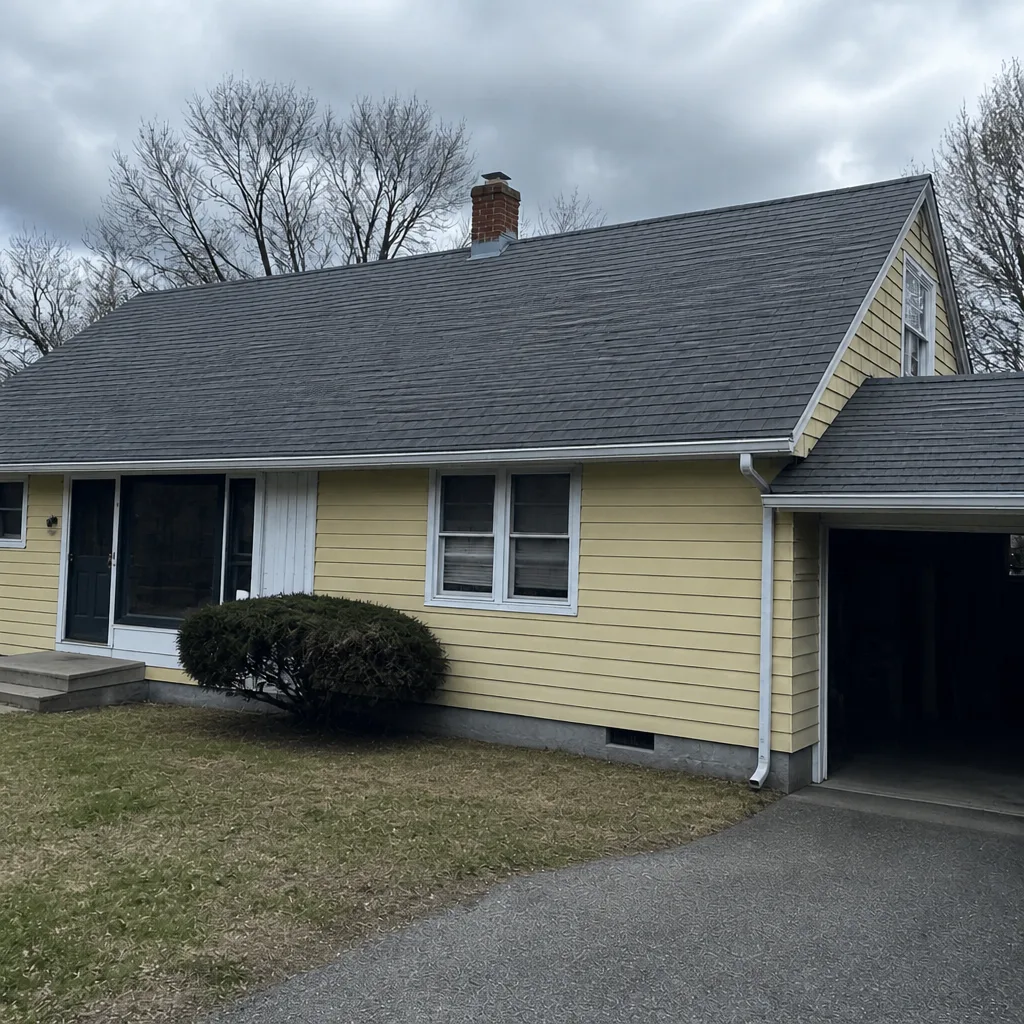
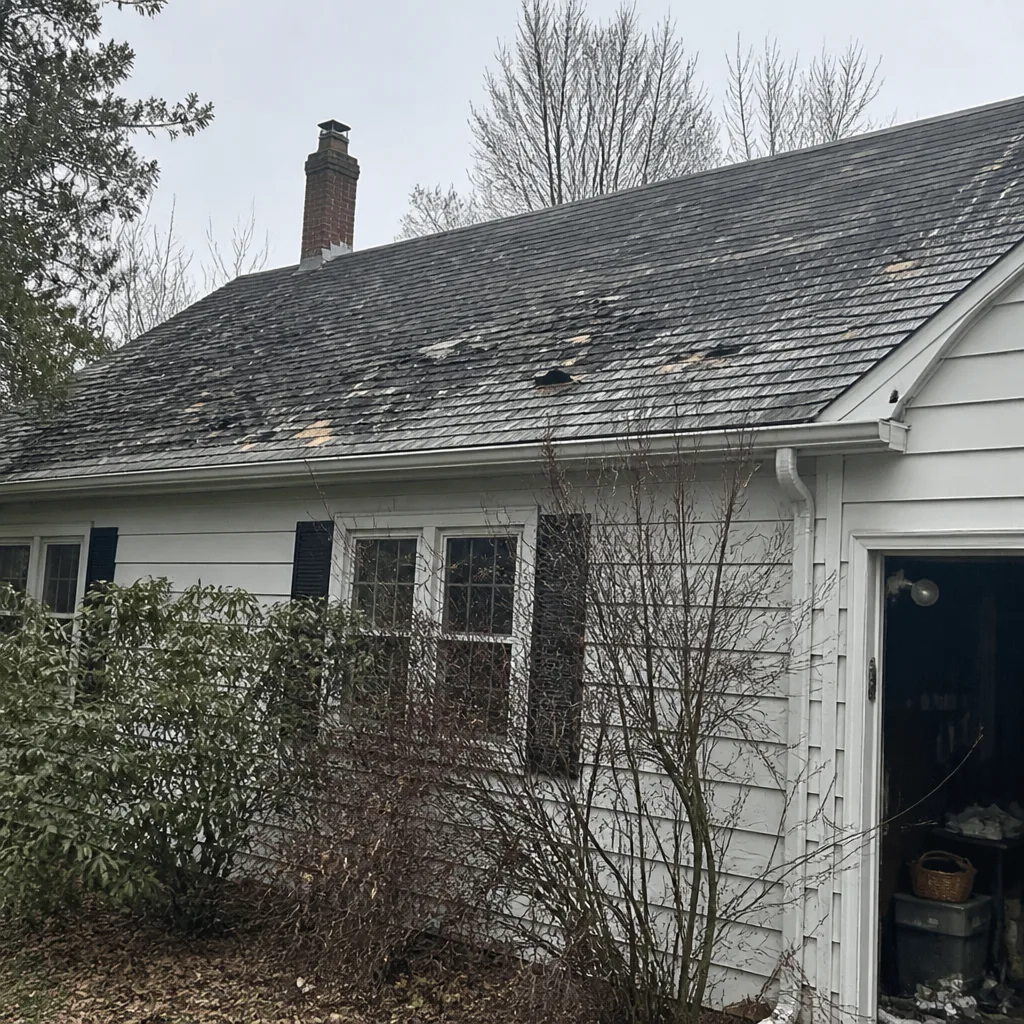
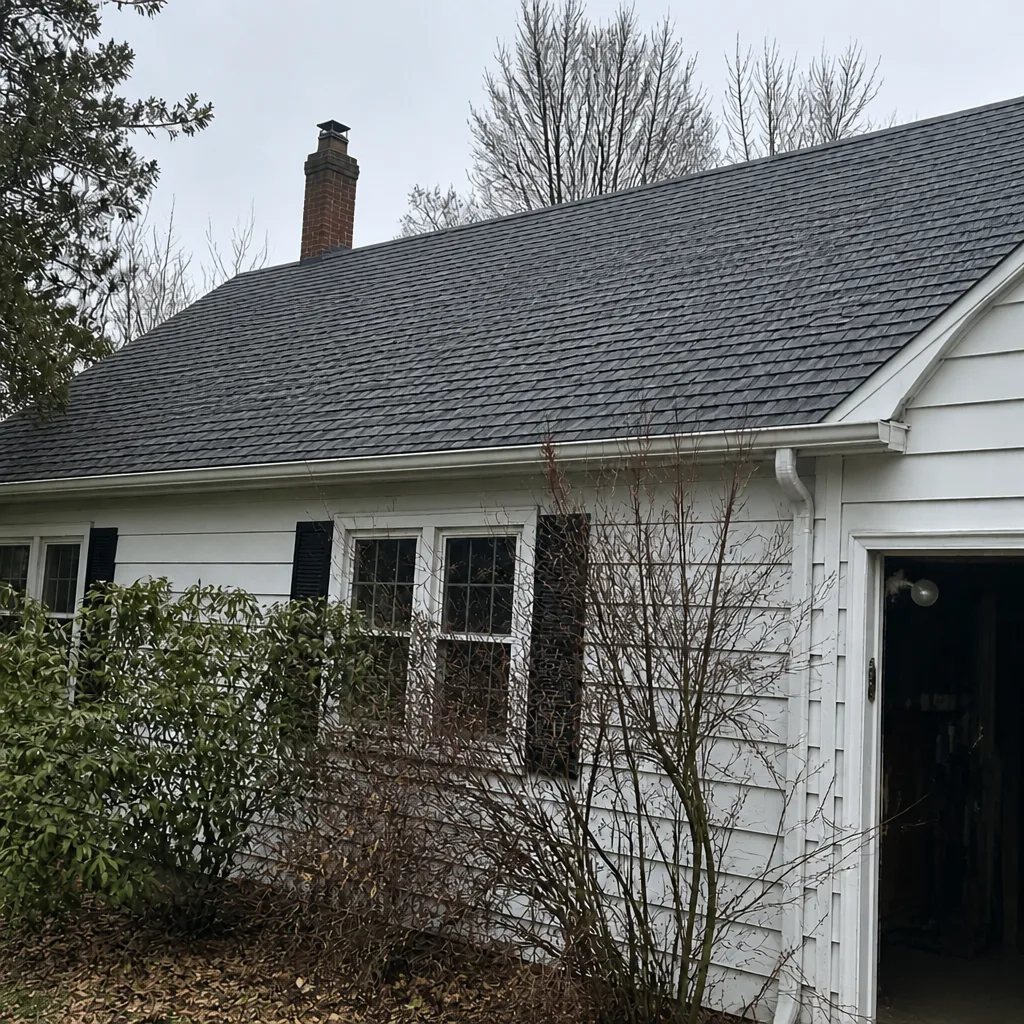
See the difference
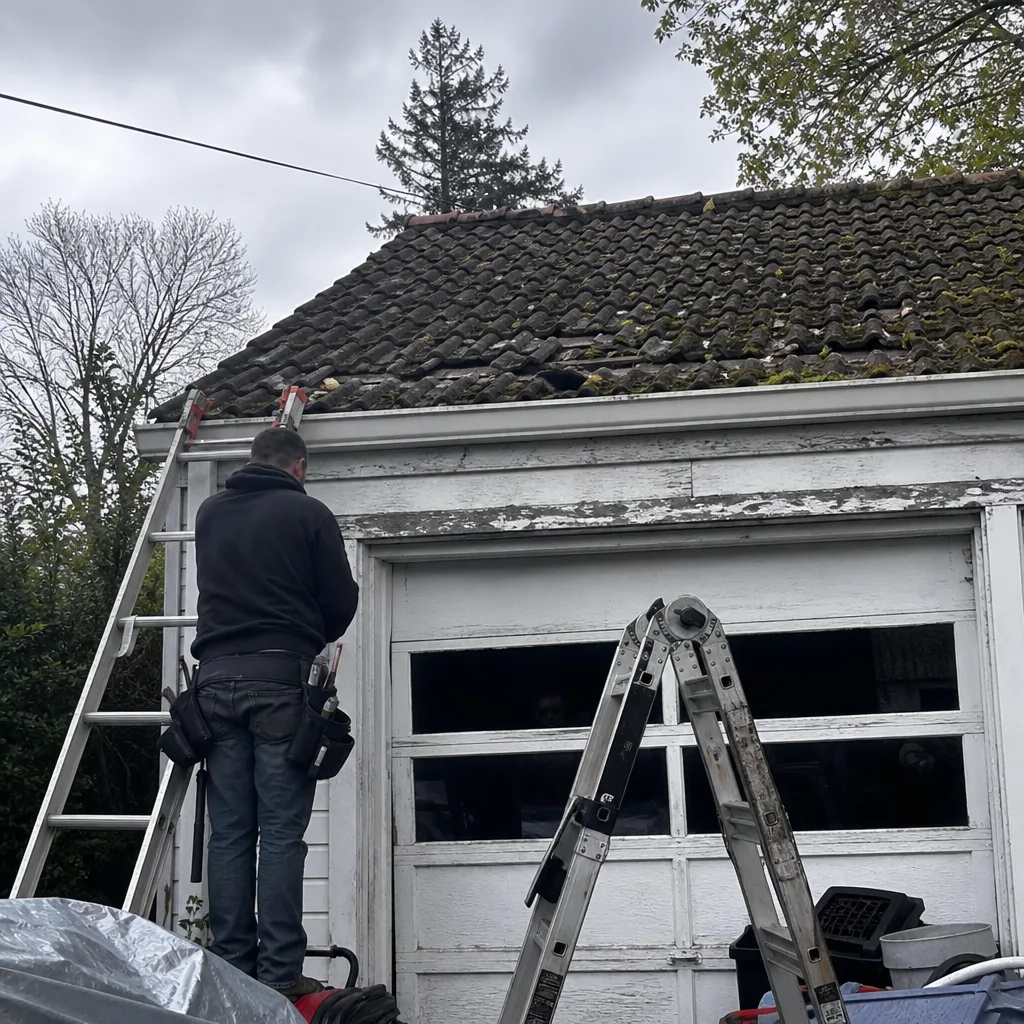 Before
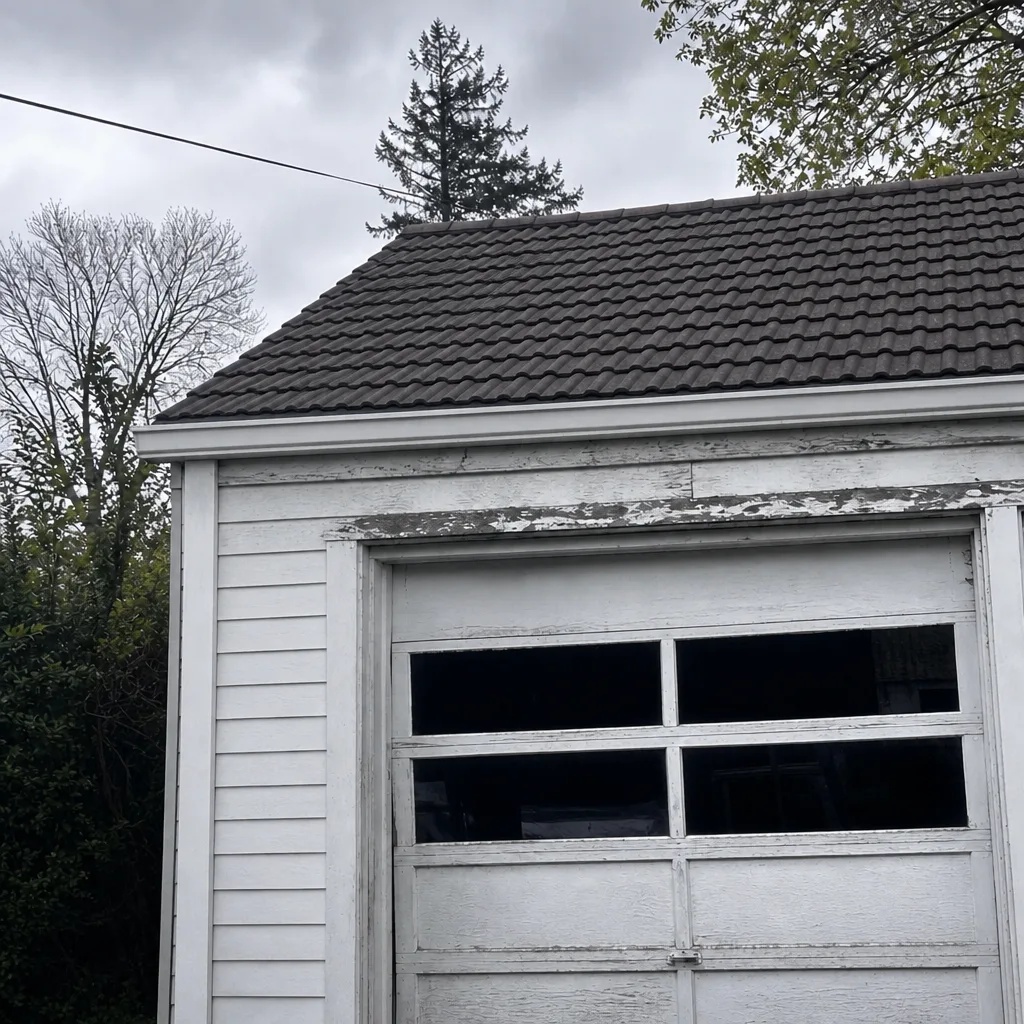 After
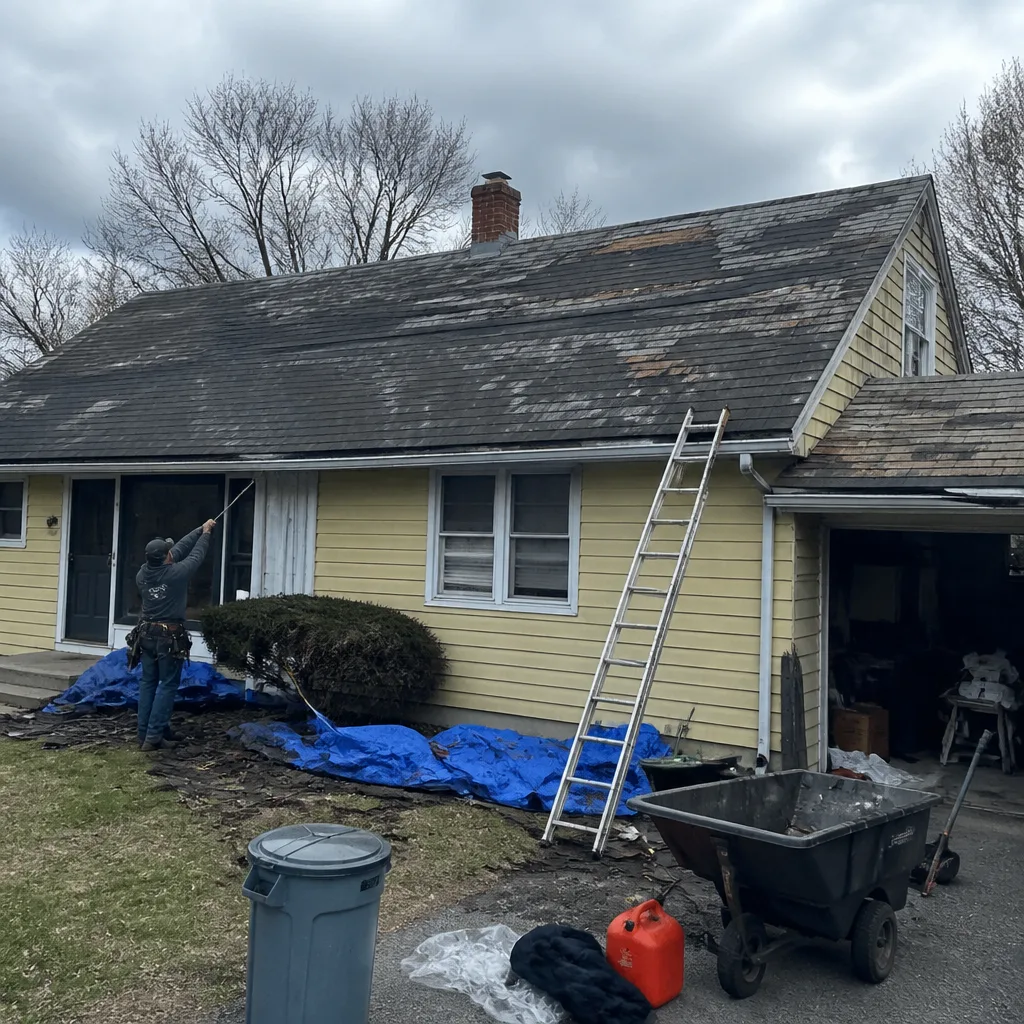 Before
 After
 Before
 After
Frequently Asked Questions
Contain the water and protect your belongings first, then photograph everything and call a roofing specialist for an inspection. Don’t climb onto a wet or windy roof yourself; the safest and fastest response comes from inside the home. Call (855) 473-7282 to schedule your free estimate – we answer 24/7.
Most New York homeowners’ policies cover storm damage to a roof, though your contract sets what’s covered and the reporting window. The exact deadlines are determined by your insurer, so confirm them directly. An early professional inspection report makes a difference. Call (855) 473-7282 for an exact quote – estimates are free.
A tarp is a bridge, not a fix, and a poorly anchored one will fail in Albany’s wind. Real protection covers the true entry point, not just the visible drip, and is fastened so it won’t tear loose. It buys time while you schedule a proper repair. Call (855) 473-7282 – we answer 24/7 and can help you plan the repair.
The reporting period is set by your specific insurance policy, not by a general industry number, so check your contract right away and confirm with your insurer. What you control is how quickly you gather photos, a written account, and an inspection report. Call (855) 473-7282 to get the inspection documentation started.
Ask for a written inspection report, the manufacturer’s materials being quoted, a verifiable local address and references, and a line-item written estimate. A legitimate specialist diagnoses before recommending replacement; a storm-chaser skips straight to the sale. Call (855) 473-7282 for a straight answer and a free estimate.
Often yes – a timely repair of flashing, a few shingles, or a valley seam prevents the leak that, left alone, spreads rot into decking and forces a larger job. That’s why inspection comes first and repair is recommended only when the roof genuinely warrants it. Call (855) 473-7282 to find out where your roof stands.
The Bottom Line
The homeowners who come out of an Albany storm with the least damage and the smallest bill are the ones who planned in September, not the ones who reacted in January. Photograph your roof on a dry day. Keep a dated baseline. Know your policy’s reporting window and confirm it with your insurer. When weather hits, contain the water, document it, and get a professional inspection before you sign anything. Treat a tarp as a bridge, not a fix. And judge every contractor by the same test: do they diagnose before they sell? Preparation is the whole point. Repair when the roof warrants it and replace when it doesn’t, decided with a straight answer instead of a storm-window sales pitch.
When you’re ready to put a plan in place, reach out. Call (855) 473-7282 for a free estimate. We answer 24/7. Fast dispatch from 7am to 7pm, Sunday through Friday. Whether you need a pre-season inspection, a repair after a storm, or an honest read on whether your roof needs a full roof replacement, we’ll tell you straight. Start with an inspection in Albany and know exactly what you’re dealing with before a dollar goes toward roof repair. Roofing is all we do, and that focus is why a prepared homeowner has an advantage when the weather turns.
Written by the team at Jasper Roof Repair.