
Last updated November 16, 2026
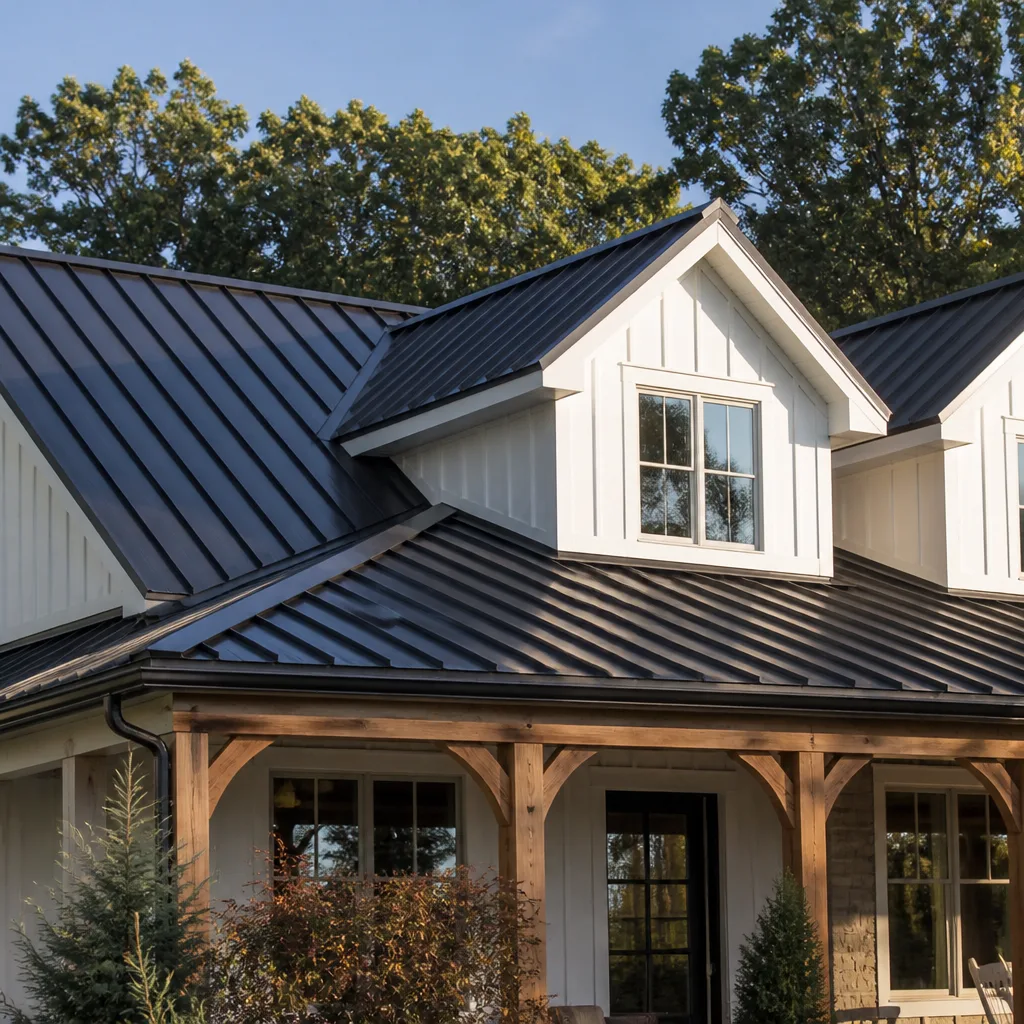 Metal roofing
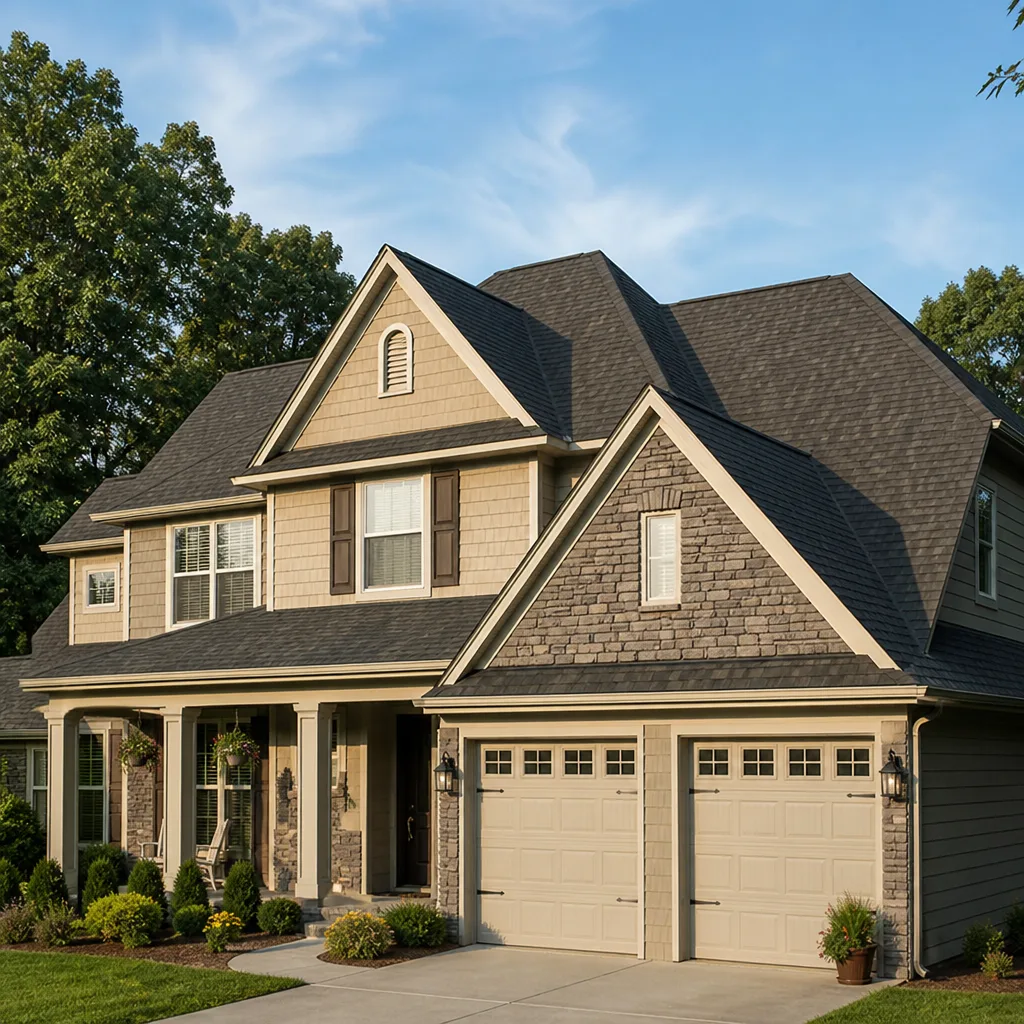
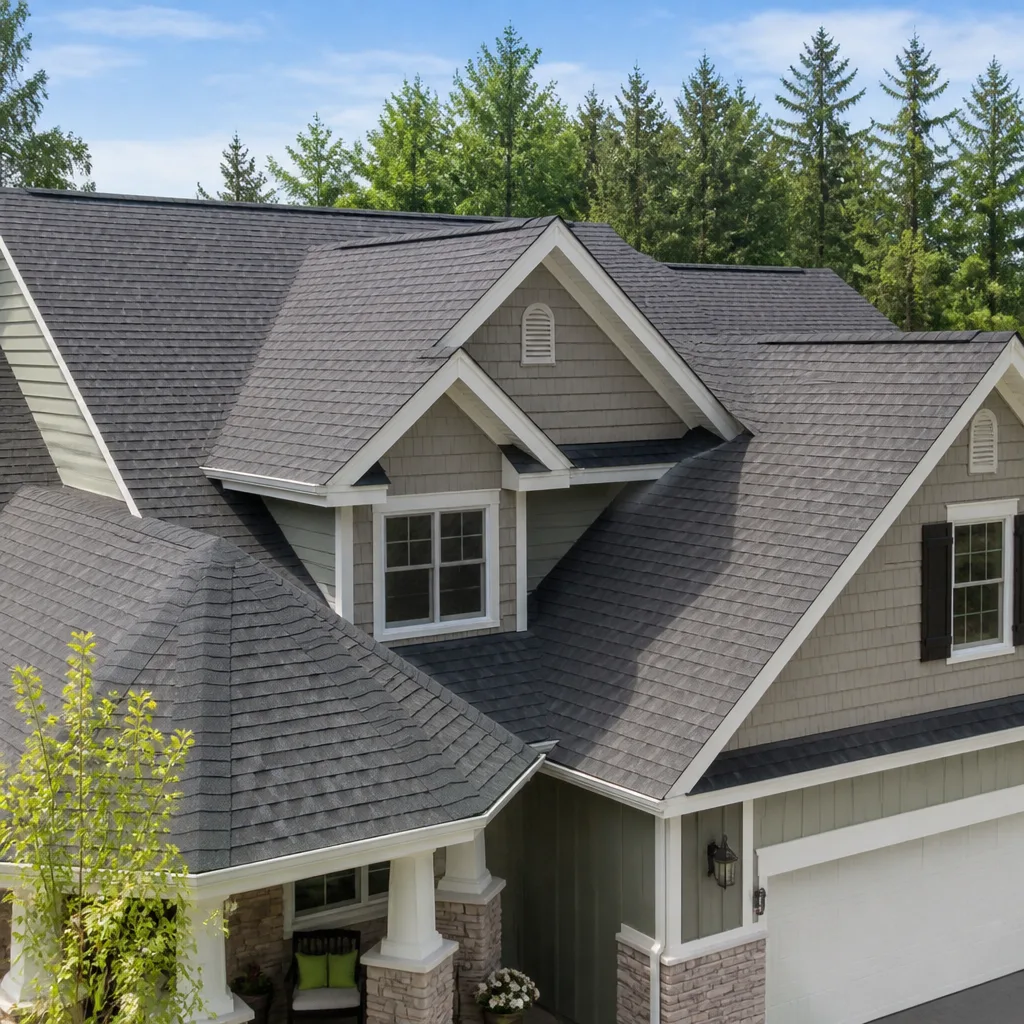 Architectural shingles
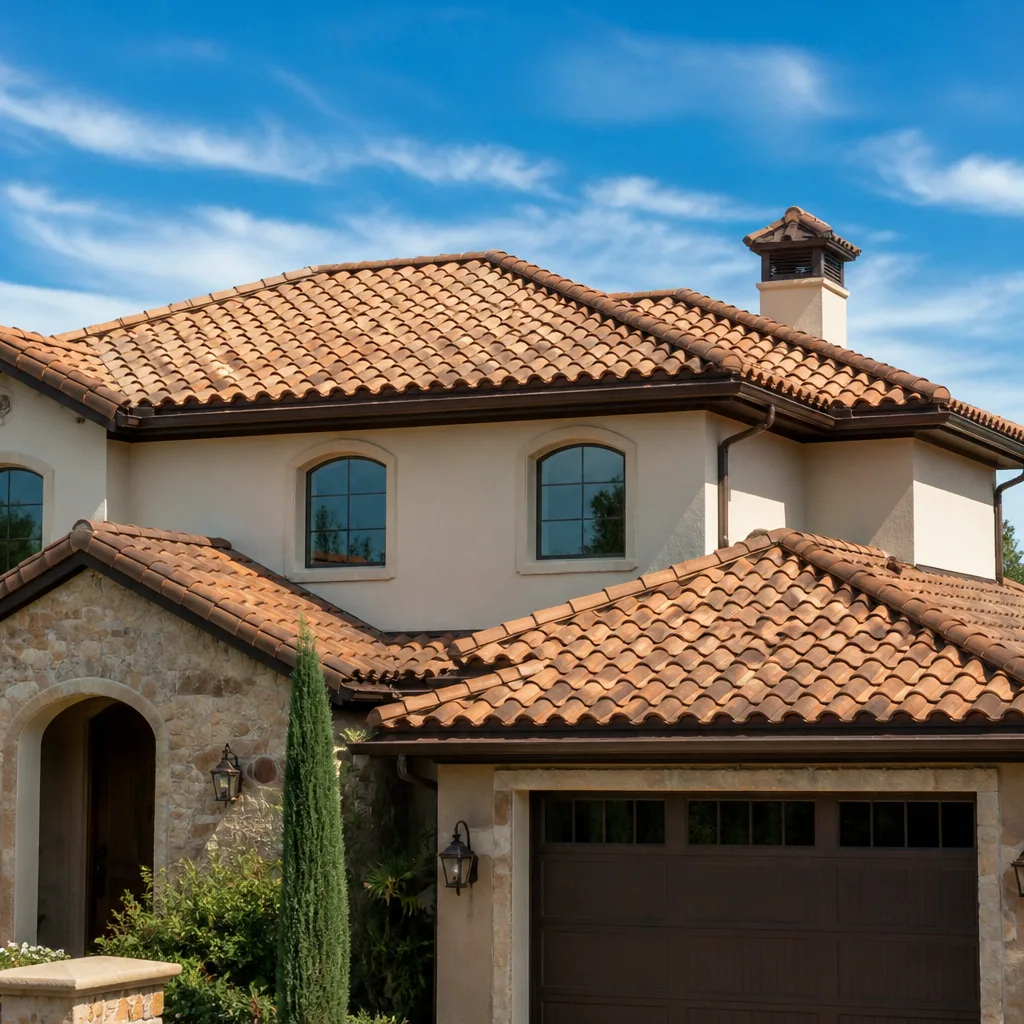 Tile roofing
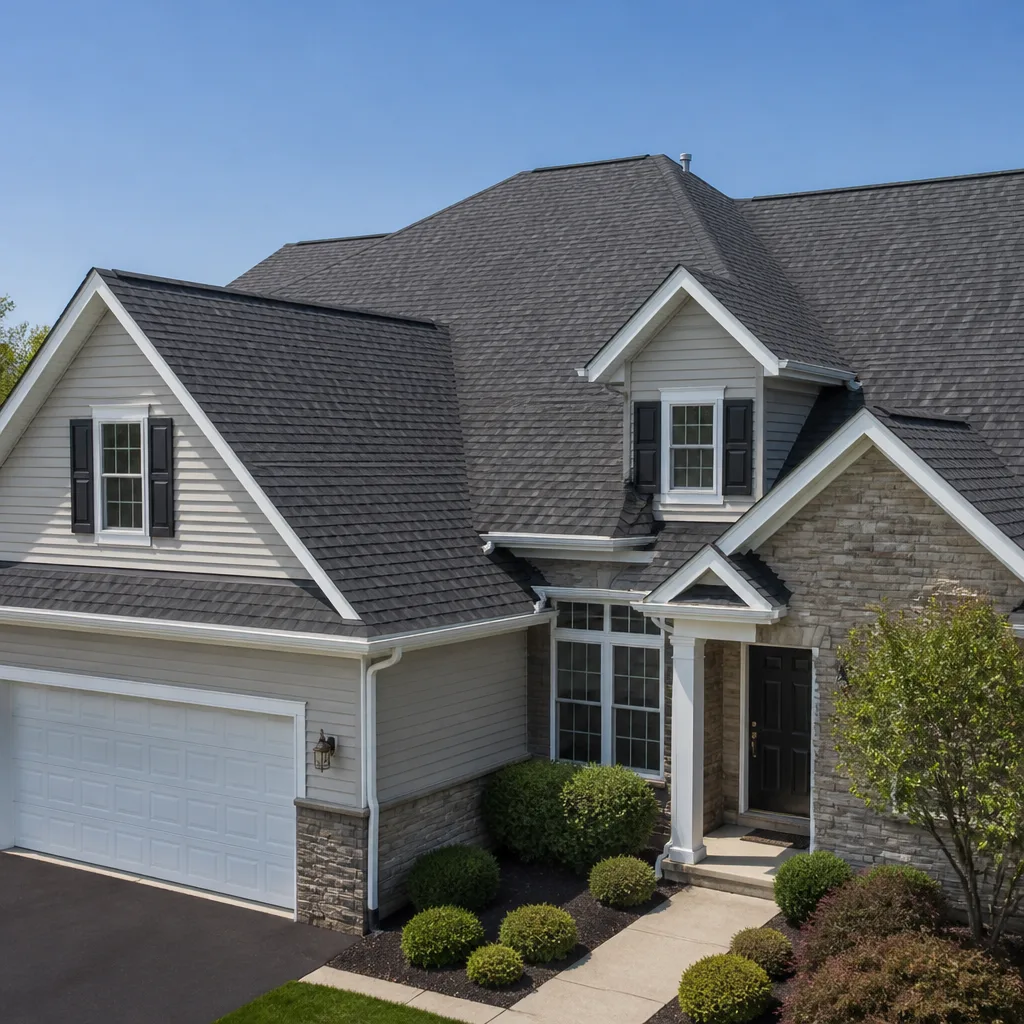 GAF
 Owens Corning
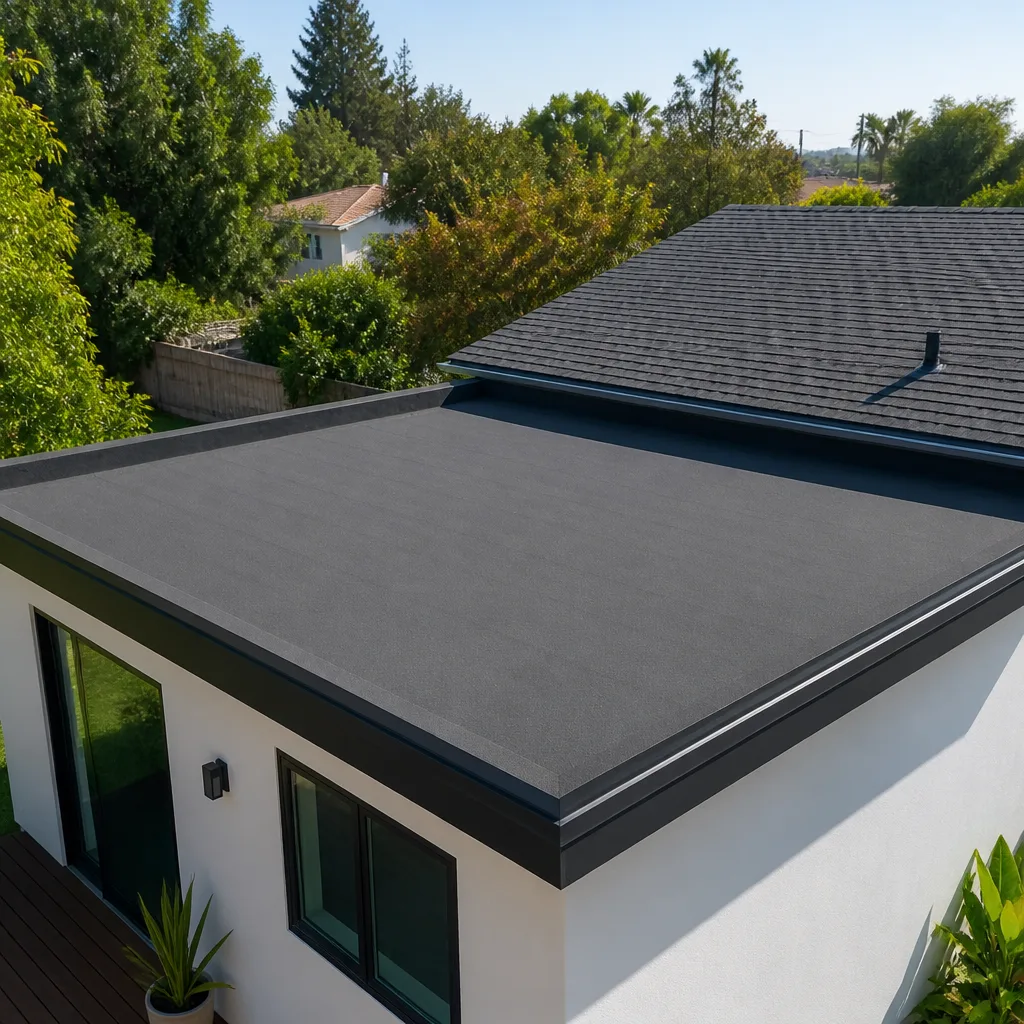 Flat & low-slope
Free roof inspection with deck photos before we talk money - GAF and Owens Corning certified installation
Choosing the Right Roofing Brand: A Buyer’s Guide for Albany
Two shingles can carry a “50-year limited warranty” from two different manufacturers and mean entirely different things. One might cover wind uplift only to a certain speed, exclude algae streaking entirely, and pay out pennies on labor in year 15. The other might cover labor for the life of the warranty and include algae resistance for decades. The sticker on the bundle looks the same. The fine print doesn’t. Most homeowners in Albany start their search by asking which brand they recognize from a commercial, and that’s the wrong starting point. This guide covers what actually matters: warranty terms, cold-temperature performance, and contractor certification. You’ll finish knowing how to shortlist shingles for an Albany roof instead of a TV audience.
Quick Answer
The right roofing shingle brand for an Albany home is the one whose warranty terms you can actually collect on, whose cold-temperature ratings hold up through a Capital Region winter, and whose manufacturer certifies the installer doing the work. Brand recognition should be the last filter, not the first. GAF, CertainTeed, Owens Corning, Atlas, Tamko, IKO and Boral all make products that can work here – the differences that matter are in warranty language, flexibility ratings, and how claims get processed when something goes wrong.
Styles & brands we work with
- Architectural shingles
- Metal roofing
- Tile roofing
- GAF
- Owens Corning
- Flat & low-slope
Table of Contents
- What “Lifetime” Actually Means in a Shingle Warranty
- Why Cold-Temperature Flexibility Ratings Matter in Albany
- How Manufacturer Certification Changes Your Warranty
- Algae Resistance and Albany’s Humid Summers
- Matching Material Tier to How Long You’ll Stay
- Building Your Shortlist: A Step-by-Step Process
- Why the Installer Matters More Than the Brand
- Common Mistakes to Avoid
What “Lifetime” Actually Means in a Shingle Warranty
A “lifetime limited warranty” on asphalt shingles almost never means the shingle lasts your lifetime, and it rarely means you get a new roof for free. It’s a document with layers, and each layer has conditions. Reading it correctly is the single most useful skill you can bring to a shingle purchase in Albany.
Most manufacturer warranties break into three parts:
- Material coverage. The manufacturer replaces defective shingles. On a “lifetime” product this typically means the material is covered on a prorated basis after an initial full-coverage period, so the payout declines as the roof ages.
- Labor coverage. This is where brands separate sharply. Many standard warranties cover material only – you pay the crew to tear off and reinstall. Premium warranties from manufacturers like GAF or CertainTeed, when paired with a certified installer, can extend labor coverage for a defined term. That difference is often worth more than the shingle price gap.
- Exclusions. Wind uplift above a stated speed, algae streaking (unless specifically included), damage from ice damming, poor ventilation, and installation error are commonly excluded from the base warranty. Some premium tiers bring wind and algae back in.
The word “lifetime” in the trade generally refers to the length of the warranty period, defined as the expected service life of the product under normal conditions – not your lifespan. A shingle advertised as a 50-year product is warranted for 50 years, prorated after the initial period. When you compare brands in Albany, compare the proration schedule, the wind speed covered, and whether labor is included. Those three lines tell you more than the headline number.
One more thing to check: transferability. Some warranties transfer to a new owner once, within a set window after sale, which matters if you plan to sell. Ask the manufacturer’s written terms, not the contractor’s summary.
Why Cold-Temperature Flexibility Ratings Matter in Albany
Asphalt shingles are flexible when warm and brittle when cold. In Albany, roofs get installed in shoulder seasons and sometimes in genuine cold, and they sit through January nights that routinely drop well below freezing. A shingle’s cold-temperature flexibility rating – the temperature at which it can be handled and bent without cracking – is not a marketing footnote here. It’s a performance spec.
Here’s what that rating affects in practice:
- Installation in cold weather. Shingles that crack when bent at low temperatures can’t be installed safely without special handling. A shingle rated for lower flexibility temperatures gives the installer more room to work in a Capital Region fall or early winter.
- Winter thermal cycling. Albany roofs expand and contract through freeze-thaw cycles all winter. Shingles with better cold-flex performance handle that movement with less risk of surface cracking over time.
- Seal-down behavior. The adhesive strip that bonds shingles together activates with heat. In cold weather the seal is slower to set, which is why installation method and timing matter. This is a general trade reality, not a knock on any brand.
When you compare brands, ask for the published flexibility temperature rather than accepting “it’s fine in the cold.” Manufacturers publish these figures in their technical data. Atlas and Tamko both publish cold-weather handling guidance for their product lines, and the premium lines from the major manufacturers generally outperform the entry-level ones on this spec. If your roof is going on in late fall in Albany, this is the number to know before the crew arrives.
This is also a good place to mention a safety point: any work on a steep or icy Albany roof carries real fall risk. That’s a job for trained technicians with the right fall protection, not a weekend project.
How Manufacturer Certification Changes Your Warranty
Manufacturer certification programs are the most misunderstood part of shingle buying, and in Albany they’re the difference between a base warranty and a much stronger one. Here’s how it works.
Most major shingle manufacturers run tiered certification programs for the contractors who install their products. A contractor who meets the manufacturer’s requirements – training, insurance verification, a track record of installs – can offer the manufacturer’s enhanced warranty tier on qualifying jobs. A contractor without certification can only offer the base warranty, even if the shingles are identical.
What that means for you:
- Warranty tier access. The enhanced tiers – the ones that add labor coverage, longer material terms, or stronger wind and algae coverage – are typically only available through certified installers. Same shingle, different warranty, depending on who installs it.
- Labor coverage inclusion. This is the biggest practical difference. Base warranties usually cover material only. Enhanced tiers from a certified installer commonly add labor for a defined period. If a shingle fails in year 12, that difference decides whether you pay for the crew.
- Claim processing. Certified installers have a direct relationship with the manufacturer’s warranty department, which generally means claims move faster and with less back-and-forth than a claim filed cold by a homeowner.
Ask any contractor you’re considering two questions: which manufacturer certifications do you hold, and which warranty tier will you register for my job? If the answer is vague, that’s your answer. A roofer who works with multiple manufacturers – we work with GAF, CertainTeed, Owens Corning, IKO, Atlas, Tamko and Boral – can match certifications to your specific roof instead of pushing one brand’s program.
Algae Resistance and Albany’s Humid Summers
Those dark streaks running down roofs across Albany neighborhoods aren’t dirt and they aren’t moss. They’re algae – specifically a type that feeds on the limestone filler in standard asphalt shingles. Albany’s humid summers, with stretches of warm, damp weather, give it exactly the conditions it likes. Streaking is cosmetic in most cases, but it’s the most visible aging sign on a roof and it’s the first thing a buyer notices at a showing.
Algae resistance comes from copper-infused granules in the shingle surface. Not all shingles include them, and the warranty treatment varies:
- Standard shingles. No copper granules. Streaking is likely over time in Albany’s climate, and it’s typically excluded from warranty coverage entirely.
- Algae-resistant shingles. Copper-infused granules resist streaking. Many manufacturers offer a specific algae warranty period on these products – commonly a defined term stated in the warranty document, not the full “lifetime” term.
- Premium tiers. Some premium lines bundle algae resistance with longer warranty terms. Some don’t. Bundling is inconsistent across brands, so read the specific product’s warranty, not the brand’s general page.
The zone where streaking is most common is the shaded, north-facing slope that stays damp longer after rain and doesn’t dry out as fast in a humid Albany summer. If your roof has heavy tree cover or a shaded slope, algae-resistant shingles are worth the modest upcharge. It’s one of the few material decisions where the visual difference over 10 to 15 years is obvious to anyone driving past.
Related: ventilation affects this too. A roof that vents poorly holds moisture and ages faster. If you’re replacing in Albany, the replacement conversation should include attic ventilation.
Matching Material Tier to How Long You’ll Stay
The most useful reframe we can offer: don’t pick a shingle tier based on the sticker price. Pick it based on how long you plan to own the house. The right answer changes with your timeline, and brands price their tiers accordingly.
Here’s a practical way to think about it.
- Staying 15 years or more. Go for the premium tier. The warranty terms are stronger, the cold-flex performance is usually better, and the algae resistance protects resale appearance. Over a long hold, the per-year cost of the better shingle is small and the labor-coverage inclusion in the enhanced warranty is real protection.
- Staying 5 to 15 years and selling. A solid mid-tier algae-resistant shingle with a transferable warranty is usually the smart buy. You get the visible appearance and a warranty you can hand to a buyer, without paying for a 30-year tier you’ll never collect on. Confirm the transfer process before you commit.
- Staying under 5 years. A quality entry-level shingle installed correctly is often the rational choice, especially if the roof is being replaced to sell. Be honest with your contractor about the timeline and ask what they’d do.
- Unsure. Get a Jasper Roof Repair inspection first. A roof’s actual condition drives far more of the decision than brand preference does.
One caution on the under-5-year case: cheap shingles and cheap installation compound. A weak install on a premium shingle is still a weak install. The tier decision is second to the installation decision, not the other way around.
Building Your Shortlist: A Step-by-Step Process
Here’s the process we’d walk a homeowner through if they asked how to pick a shingle brand for an Albany roof. It takes the emotion out of it and puts the warranty terms and the installer first.
- Get an inspection before you shop. Know whether you actually need roof repair or a full replacement. A contractor who quotes a replacement before looking closely at the roof is selling, not diagnosing. An inspection is the diagnostic step, and it should come first.
- Ask which certifications each installer holds. The warranty tier available to you depends on the installer’s certification, not the shingle sitting on the pallet.
- Read the warranty for the specific product. Not the brand’s general page. Look for wind speed covered, algae coverage, labor inclusion, proration schedule, and transferability.
- Confirm the cold-temperature flexibility rating. If your install is happening in fall or winter, this spec decides handling and risk. Any manufacturer’s published technical data will list it.
- Ask what’s included in the installation. Decking inspection and repair, underlayment, flashing, ice and water shield in valleys and eaves, and ventilation are all part of a correct Albany install. The shingle brand doesn’t protect your roof from a missing ice and water shield.
- Get a written line-item estimate. Material brand and line, tier, underlayment, flashing, labor, and any decking repair priced separately. A single lump sum hides the decisions.
- Compare two or three quotes on the same basis. Same brand, different lines. Same installer, different tiers. The differences become obvious when they’re side by side.
If you want to see how a dedicated roofing company approaches a full replacement, take a look at how roof replacement works with a specialization-first model. Roofing is the only trade we practice, which means the material decisions get made by people who only make material decisions.
Why the Installer Matters More Than the Brand
You can put the best shingle in the industry on an Albany roof and end up with a failing roof in ten years if the installation is wrong. Nailing placement, nailing depth, underlayment, flashing detail, decking repairs before the shingle goes down, and ventilation – all of these sit upstream of brand choice. The shingle is the visible product; the installation is the actual roof.
We’ve seen the hierarchy clearly in our experience. Here’s how we’d rank the decisions in order of impact:
- Installer quality and certifications. The single biggest factor in how the roof performs and whether the warranty pays out.
- Installation scope. Underlayment, flashing, ice and water shield, decking inspection, ventilation. Skipping any of these kneecaps the brand investment.
- Shingle tier. Determines the warranty terms and the performance ceiling.
- Shingle brand. Matters a lot at the tier and warranty level; matters much less at the name-recognition level than most homeowners expect.
This is exactly why multi-brand sourcing matters. A contractor locked to one manufacturer recommends that manufacturer’s product, because that’s what they sell. A contractor with access to seven manufacturers – GAF, CertainTeed, Owens Corning, IKO, Atlas, Tamko and Boral – can match the right shingle to your roof, your timeline and your budget, and recommend the certifications that give you the best warranty. Our technicians have up to 15 years of experience, and that shows up in how the material gets matched to the roof in front of them.
If you’re shopping for a roofer in Albany, ask how many manufacturers they work with and how they decide between them. The answer tells you whether the recommendation is coming from a diagnosis or a stockroom.
Common Mistakes to Avoid
- Picking a brand by recognition alone. The brand you see advertised most isn’t automatically the best warranty on your Albany roof. Read the specific product’s terms before you assume.
- Ignoring the wind speed in the warranty. Two “50-year” shingles can have very different wind uplift coverage. In a region with strong winter wind events like Albany gets, that line matters.
- Assuming “lifetime” means the shingle never needs replacing. It’s a defined warranty term, not a promise of durability forever. Read the proration schedule so you know what you get in year 15.
- Skipping the inspection. Shopping for shingles before knowing the roof’s actual condition is a recipe for an unnecessary replacement. A diagnostic inspection comes first, always.
- Not asking about certification tiers. A contractor without the manufacturer’s certification can only offer the base warranty, even with the premium shingle. That’s a real loss on a job you’re paying good money for.
- Installing in cold weather without checking the flexibility rating. Albany’s shoulder seasons can be genuinely cold. A shingle rated for lower flexibility temperatures handles the install and the winter better.
- Ignoring the shaded slope when choosing algae resistance. If your Albany roof has heavy shade or a north-facing slope, standard shingles will streak sooner than you expect. Ask for the algae-resistant line.
See the difference
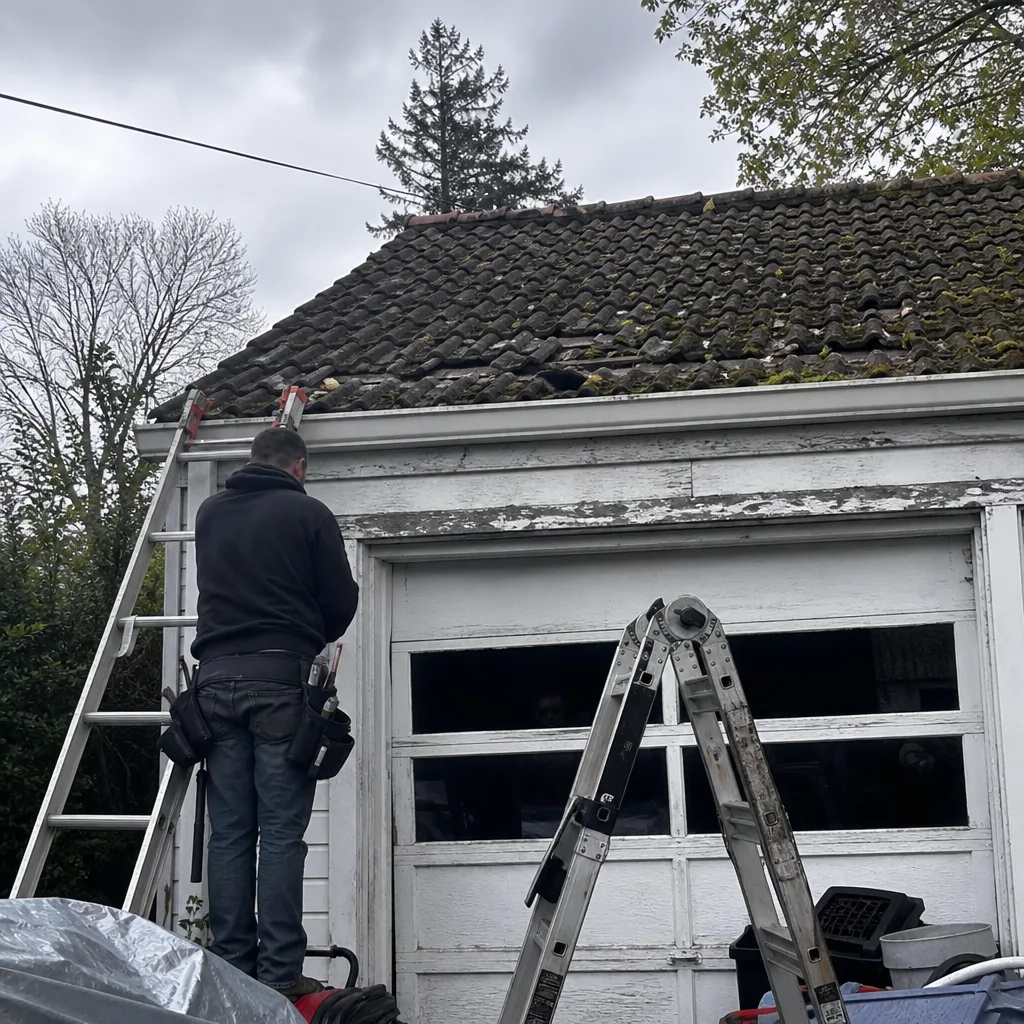 Before
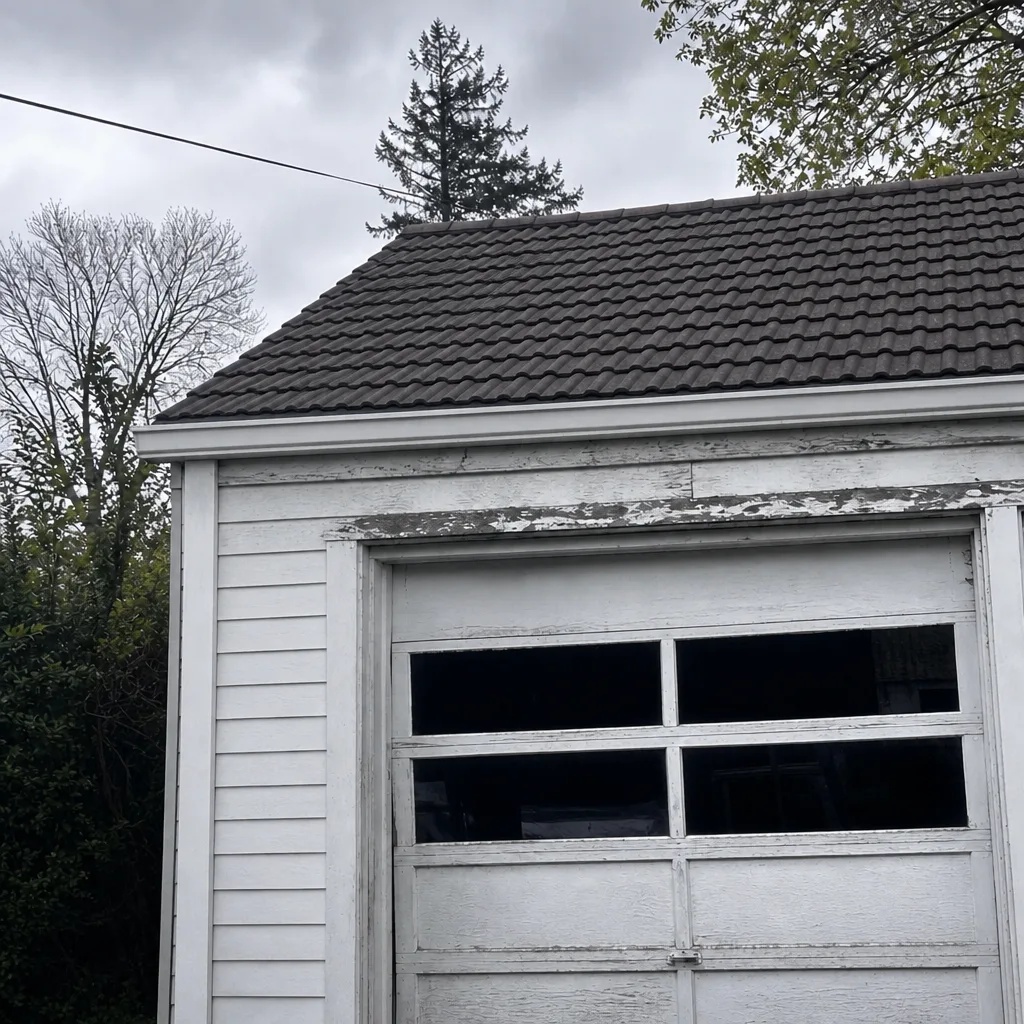 After
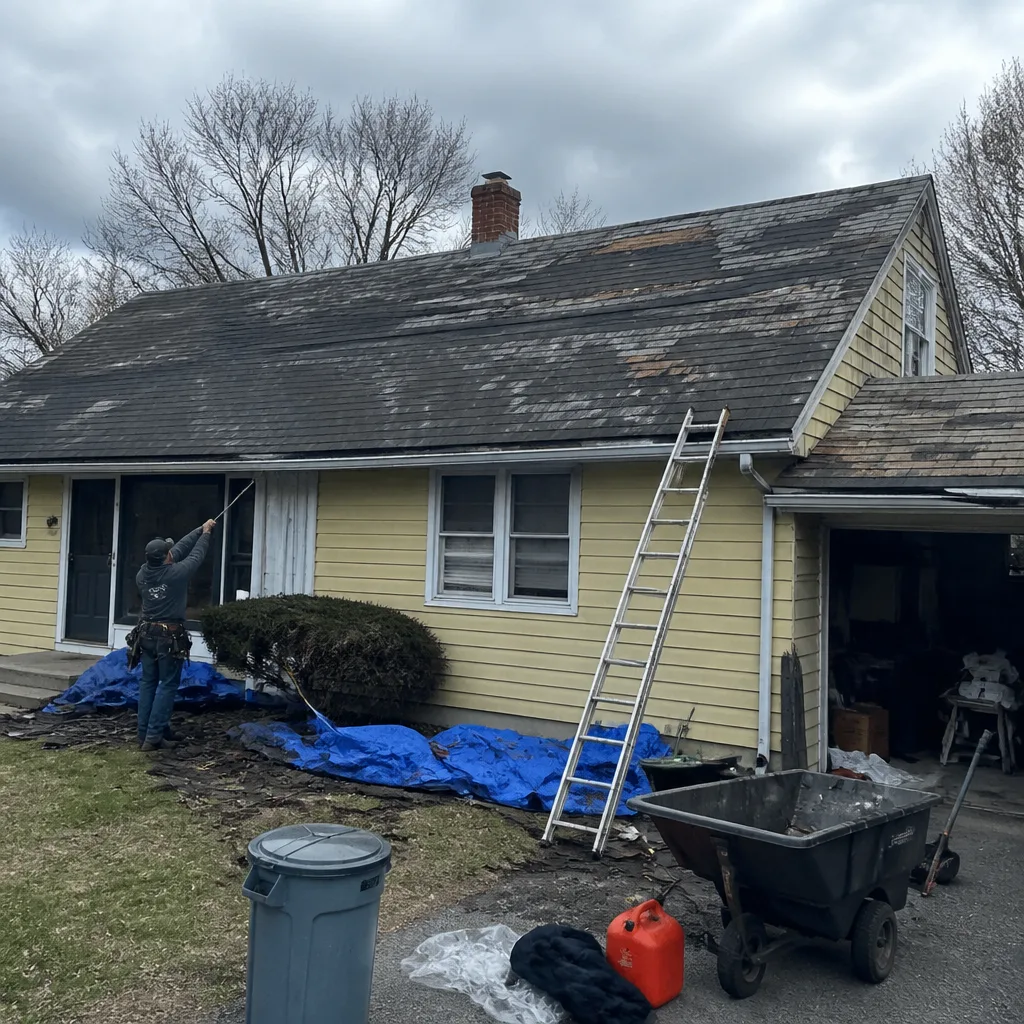 Before
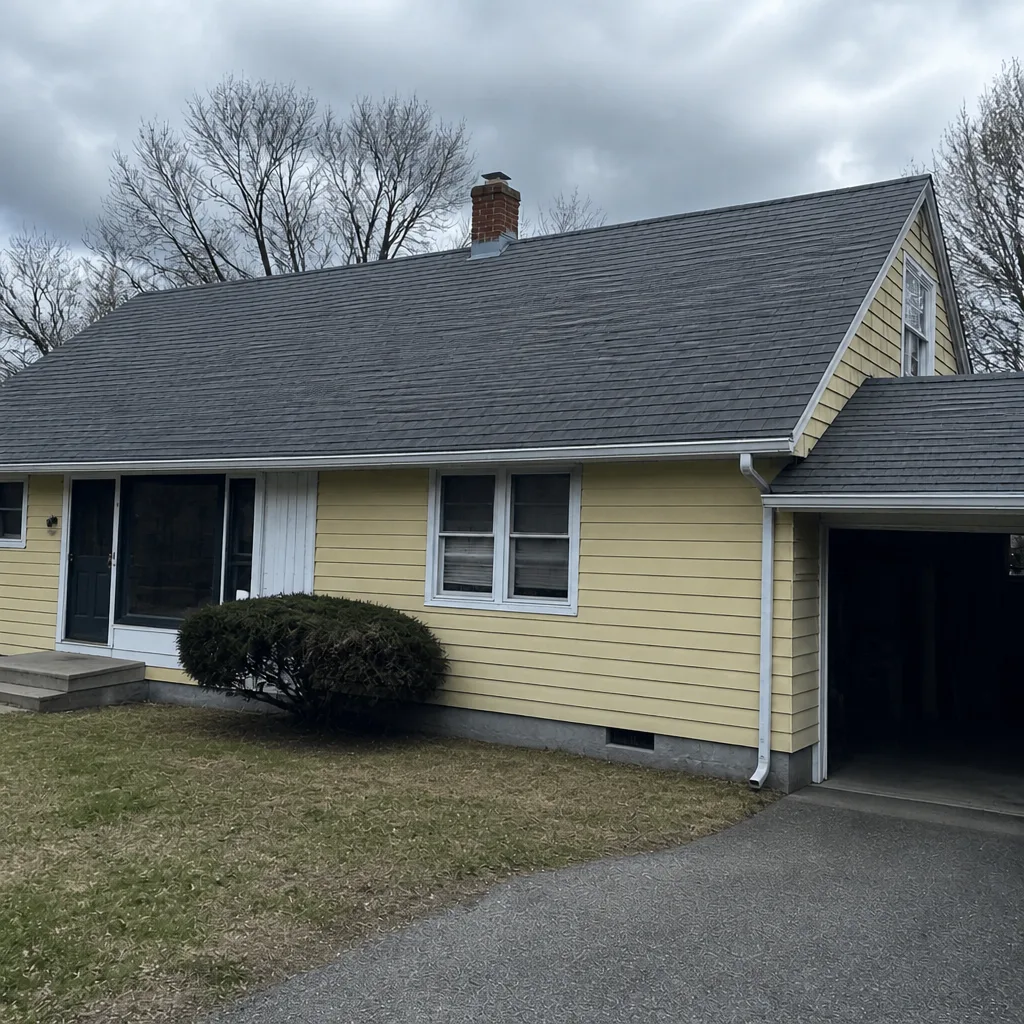 After
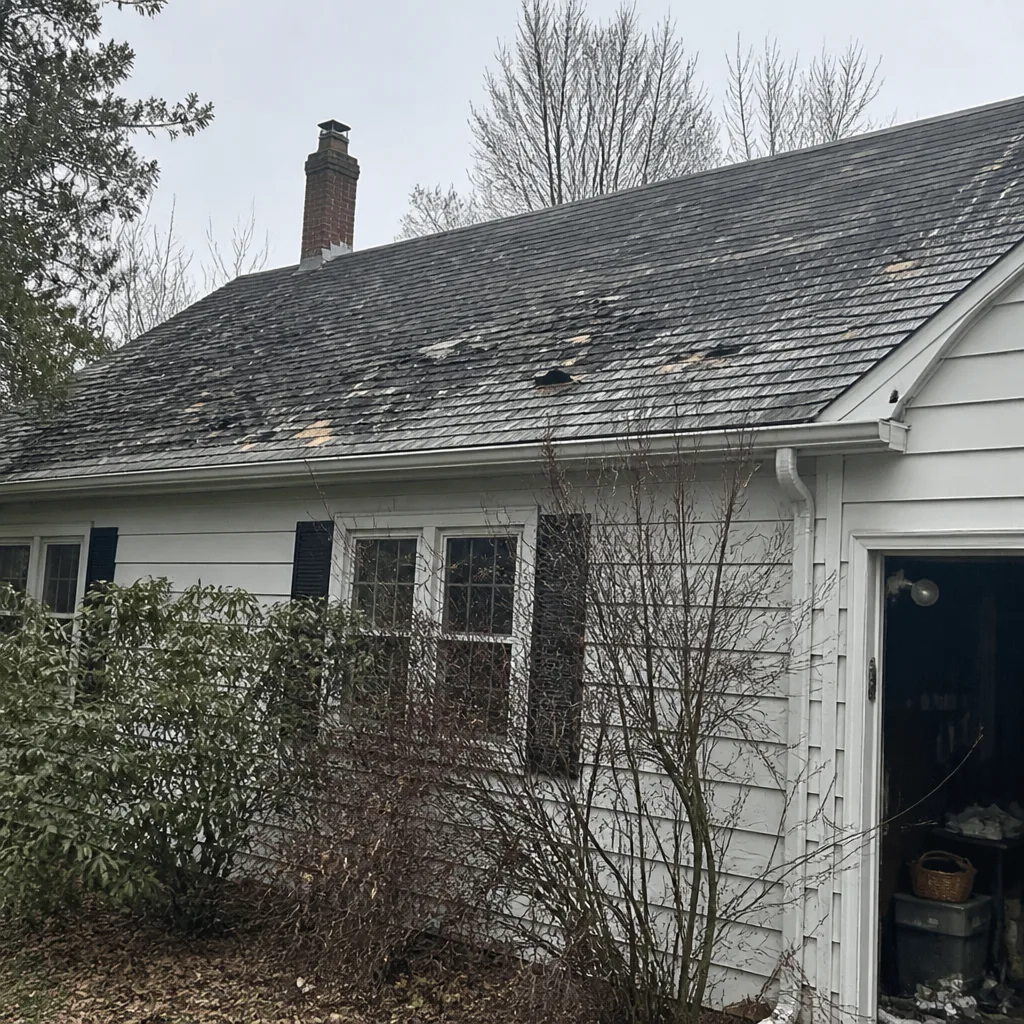 Before
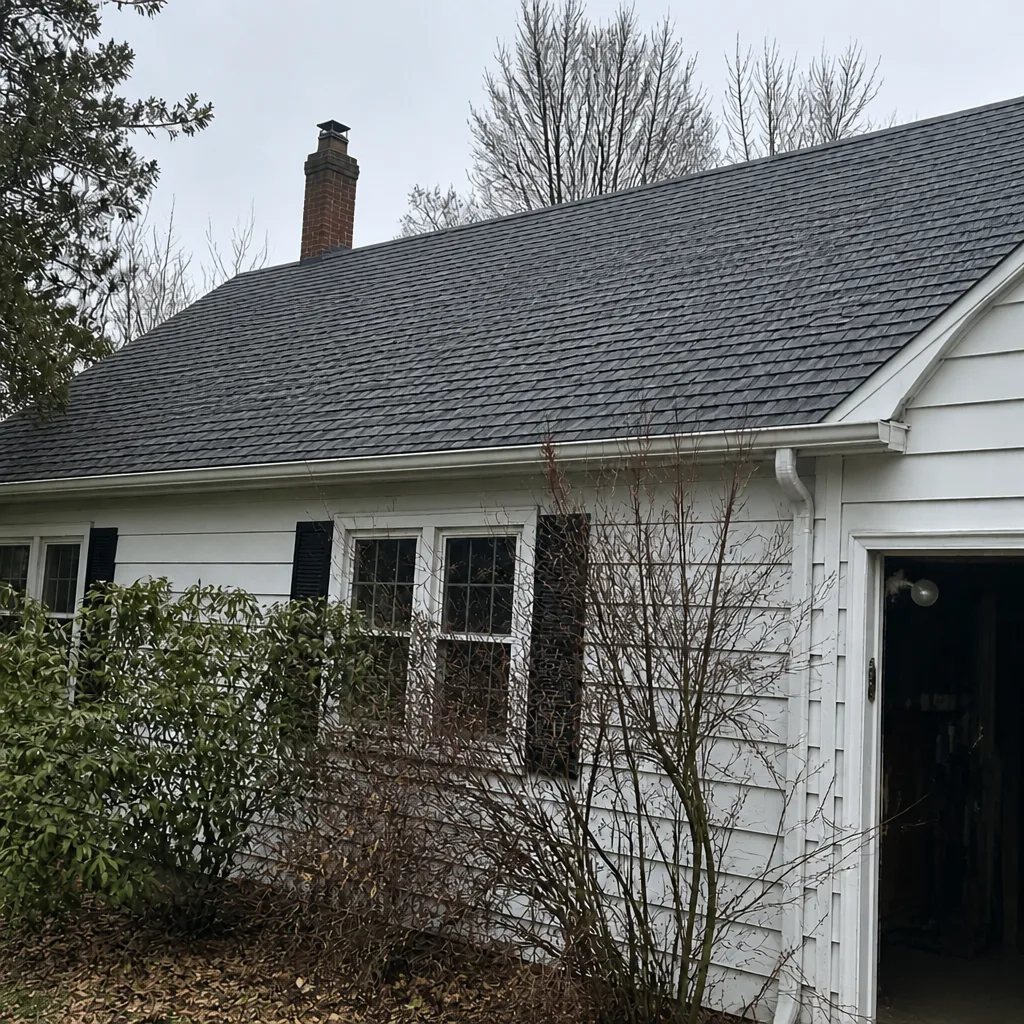 After
When to Call a Professional
Some decisions are safely yours. Brand choice at the tier level, warranty comparison, and timeline-based material selection all benefit from a careful homeowner doing their homework. But installation, decking inspection, flashing detail and steep-roof work are a different category. Any work at height on an Albany roof carries genuine fall risk, and roof work near electrical penetrations or with ice and snow on the surface is a job for trained technicians with proper fall protection – not a homeowner with a ladder. It’s also worth calling a professional when you see curling, missing shingles, granules in the gutters, or interior ceiling stains, because those point to problems a new shingle can’t fix. If you’re unsure what you’re looking at, an inspection is the cheapest way to find out.
Jasper Roof Repair offers free estimates in Albany – call (855) 473-7282. We answer 24/7. Fast dispatch from 7am to 7pm, Sunday through Friday. Start with an inspection, and let the diagnosis drive the material decision.
Frequently Asked Questions
There’s no single best brand – the right choice depends on the warranty terms of the specific product, the cold-temperature flexibility rating, and the certifications the installer holds. GAF, CertainTeed, Owens Corning, IKO, Atlas, Tamko and Boral all make products that can work well in Albany’s climate. Matching the shingle to your roof, your timeline and your budget matters more than the logo on the bundle. Call (855) 473-7282 for a free estimate and we’ll walk through the options for your specific roof.
Asphalt shingles in Albany generally last 20 to 30 years depending on tier, ventilation, sun exposure and installation quality. Premium tiers with better cold-flex performance and algae resistance tend to hold up longer through the region’s freeze-thaw cycles and humid summers. A shaded slope with heavy tree cover ages faster than a sun-exposed one. An inspection will tell you the realistic remaining life on your specific roof.
The installer matters more than the brand, and the brand matters more than most homeowners realize at the warranty level. A certified installer using a mid-tier shingle will usually outperform an uncertified installer using a premium shingle, because warranty tier access and installation quality drive the outcome. The right move is to confirm the installer’s certifications first, then choose the shingle tier. Call (855) 473-7282 to talk through which certifications are available for your job.
A “50-year limited warranty” typically covers material on a prorated basis after an initial full-coverage period, and it usually excludes labor unless the installer is certified for an enhanced warranty tier. Wind speed coverage and algae streaking are frequently excluded from base warranties. Read the specific product’s warranty document, not the brand’s sales page, before you compare. Estimates are free, and we’re glad to review warranty terms with you – call (855) 473-7282.
Algae-resistant shingles are worth it if your roof has shade, tree cover, or a north-facing slope that stays damp after rain. Albany’s humid summers give algae the conditions it likes, and the dark streaking is the most visible aging sign on a roof. Standard shingles usually exclude algae from warranty coverage; the algae-resistant lines include it for a defined period. Ask about the specific product’s algae warranty, not the general brand warranty.
The written estimate sets the final price, and the line-item scope should spell out material brand, tier, underlayment, flashing, ventilation and any decking repair. Decking repair is the most common reason a job scope changes after tear-off reveals rot – which is exactly why it’s priced separately up front. Ask for a line-item estimate and any contingencies in writing before you commit. Call (855) 473-7282 for a free estimate on an Albany roof.
The Bottom Line
Brand recognition is a weak filter. Warranty terms, cold-flexibility ratings and installer certifications are strong ones, and they often produce a different shortlist than the one most homeowners start with. Read the specific product’s warranty, confirm which tier your installer can register, ask for the flexibility temperature if the install is happening in Albany’s colder months, and match the material tier to your timeline in the house rather than the sticker price. The installer beats the brand; the installation scope beats the installer’s sales pitch. Start with an inspection, get a written line-item quote, and choose the shingle the diagnosis points to – not the one on the commercial.
If you’re ready to sort out your Albany roof, call Jasper Roof Repair at (855) 473-7282 for a free estimate. We answer 24/7. Fast dispatch from 7am to 7pm, Sunday through Friday, and we’re closed Saturday. Roofing is all we do, we work with seven major manufacturers, and the inspection comes first. You’ll know exactly what you’re dealing with before you spend a dollar on Albany roof repair or replacement.
Written by the team at Jasper Roof Repair.